Tell us about the job
Takes about a minute. No obligation.
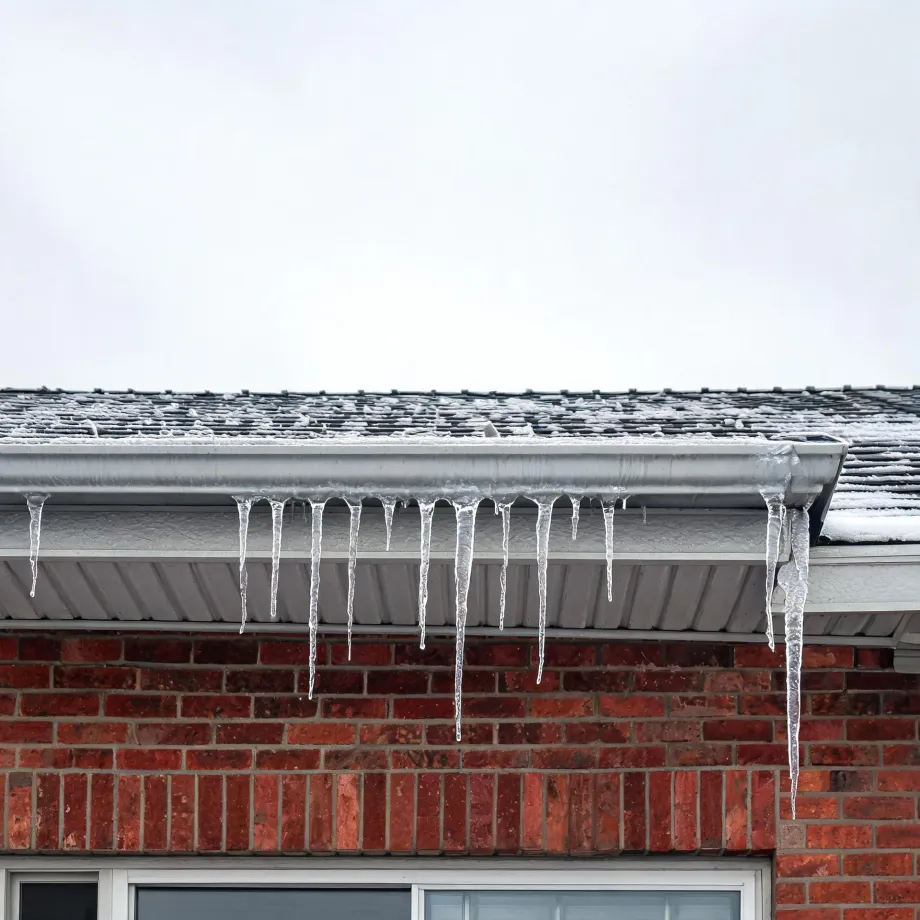
Sizing a boiler for this county starts with knowing how long the burner actually cycles. Homes in Polk County, MO run heat about seven months a year, from October through April. A system that is undersized for that load runs longer on every cold day, and the heat exchanger and ignition components wear against accumulated hours, not against any single hard winter. A contractor quoting a replacement here has to work out the full seasonal demand before settling on output, because a boiler that covers peak days but strains to do it will need attention well before its rated life.
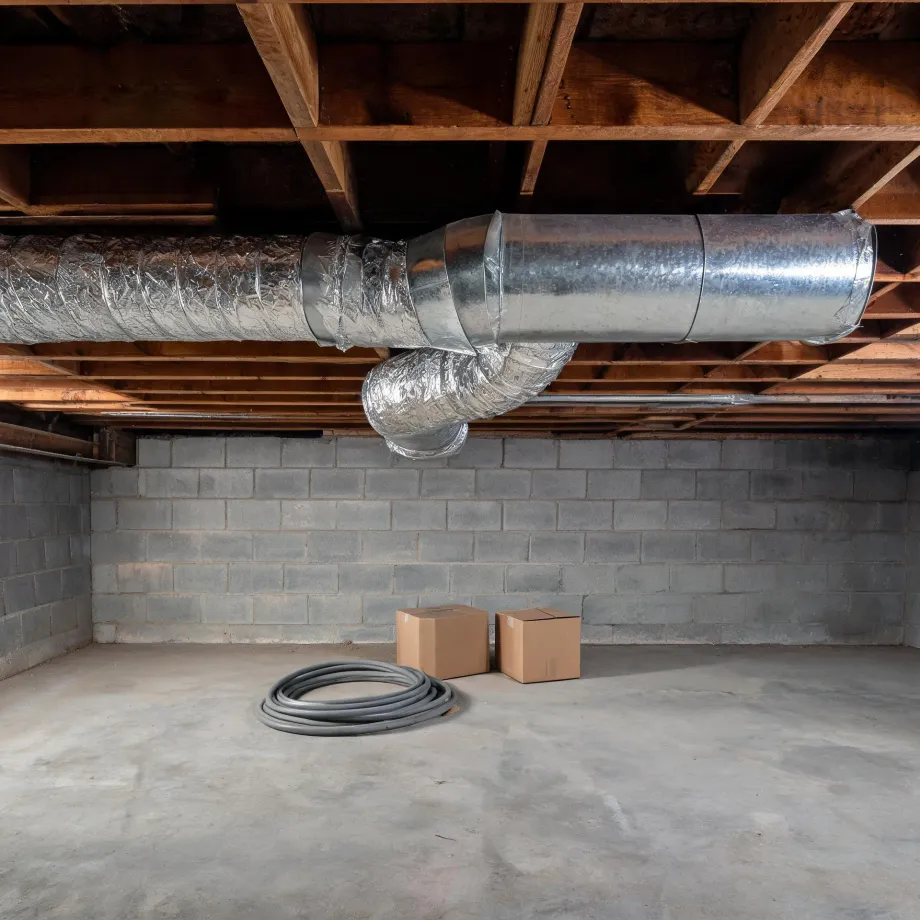
Existing pipe runs and heat distribution infrastructure are what a contractor has to evaluate before a boiler installation can be scoped accurately in Polk County. Half the homes in Polk County, Missouri were built in 1987 or earlier (2020-2024 ACS 5-year). A house built for an earlier generation of heating equipment often has supply and return arrangements that made sense for what it originally ran, and a new boiler has to work within that layout or the layout has to change. That assessment drives the quote more than the unit itself does.
What a Boiler Installation Puts in Your Home
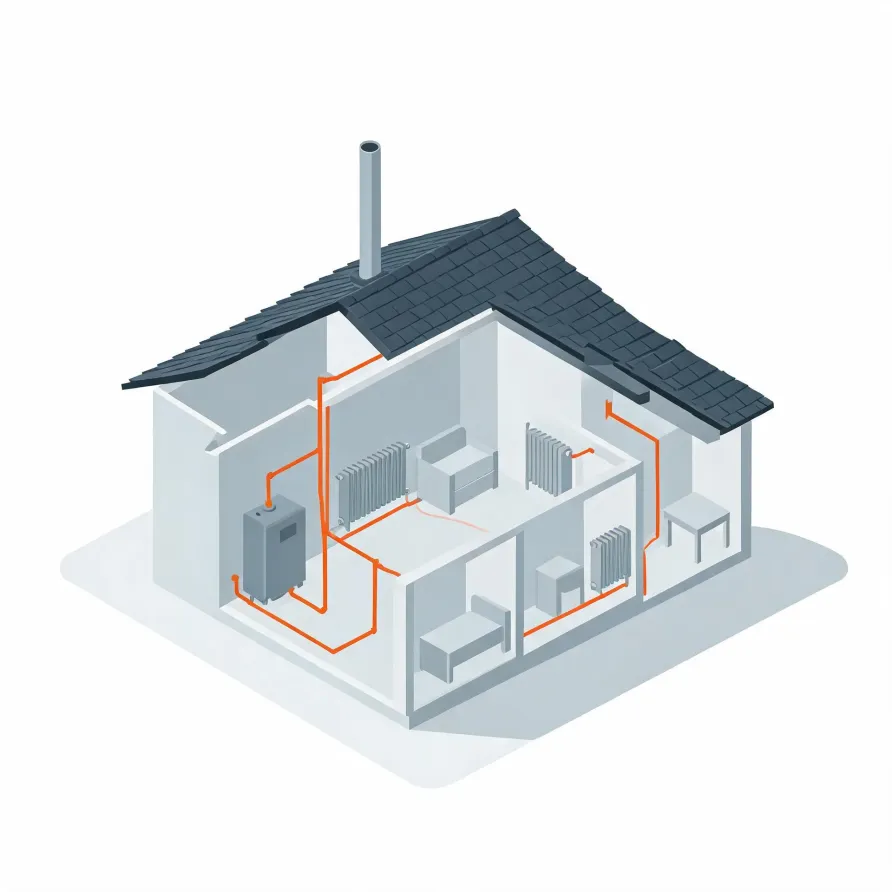
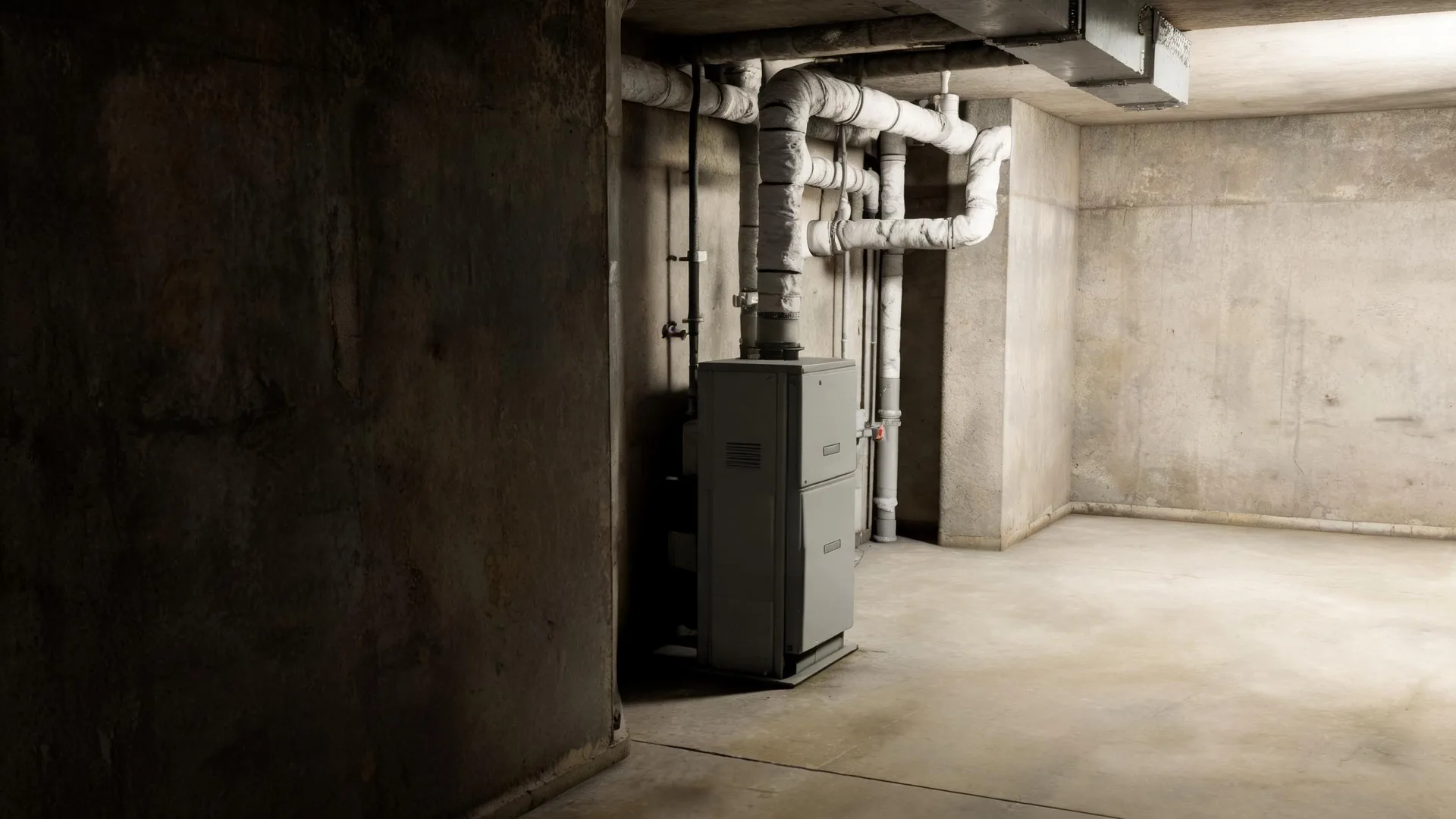
The boiler itself sits in a mechanical room, basement, or utility closet and is the heart of the system. A contractor sets the unit in place, connects it to the gas or oil supply, and ties it into the home's piping so heated water can move through the building. The expansion tank mounts nearby and absorbs pressure changes as water heats and cools.
The circulator pump attaches directly to the boiler and drives water through the distribution loop. Radiators, baseboard convectors, or in-floor tubing spread across the living spaces receive that water and give off heat to each room. The thermostat goes on a wall in the living area and tells the boiler when to fire.
The drawing shows a typical layout, and a licensed contractor determines exactly which components and configurations apply to your home.
Find a contractor in Polk CountyPolk County, by the numbers
190 severe weather events were recorded in Polk County, Missouri between 2015 and 2024.
NOAA National Centers for Environmental Information, Storm Events Database, bulk CSV export, events 2015-01-01 through 2024-12-31.Half the homes in Polk County, Missouri were built in 1987 or earlier (2020-2024 ACS 5-year).
U.S. Census Bureau, 2020-2024 American Community Survey 5-Year EstimatesPolk County, Missouri holds 13,482 housing units (2020-2024 ACS 5-year).
U.S. Census Bureau, 2020-2024 American Community Survey 5-Year EstimatesOwners occupy 71.6% of the occupied homes in Polk County, Missouri (2020-2024 ACS 5-year).
U.S. Census Bureau, 2020-2024 American Community Survey 5-Year EstimatesSevere Weather Events in Polk County
Weather stress shortens equipment life and shapes how hard a boiler has to work across the years it is in service. How much that matters depends on local conditions, which is why the pattern for Polk County belongs on a page about boiler installation.
190 severe weather events, 2015–2024. Source: NOAA National Centers for Environmental Information, Storm Events Database.