Tell us about the job
Takes about a minute. No obligation.
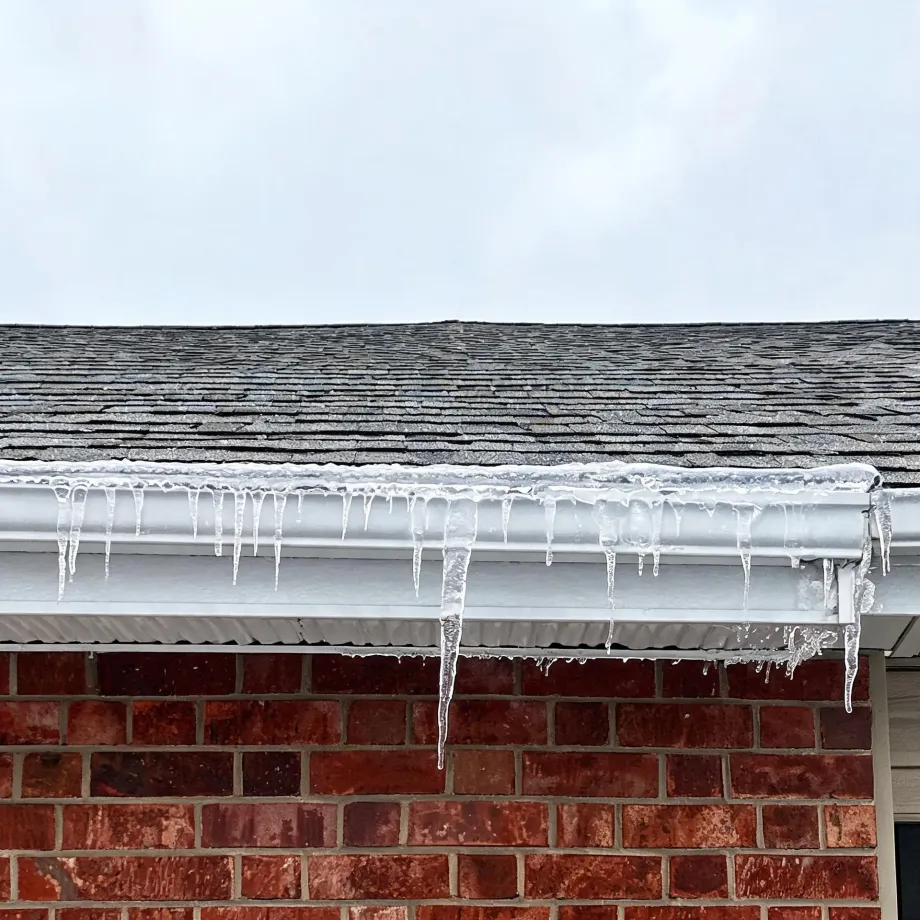
Sizing a boiler for Pike County means accounting for what the burner and heat exchanger are actually asked to do each year. Homes in Pike County, MO run heat about seven months a year, from October through April. A system that is undersized for that load runs longer cycles to keep up, and the heat exchanger absorbs that strain directly. Contractors calculating a replacement here work from the full seasonal demand before settling on output, because a boiler that is right for a milder load will show the mismatch at the heat exchanger before it shows anywhere else.
Ductwork laid out for older equipment and service panels sized for a smaller draw are what a contractor runs into across much of this county's housing. Half the homes in Pike County, Missouri were built in 1971 or earlier (2020-2024 ACS 5-year). That gap between what the house was built to carry and what a new boiler actually needs is where an installation either goes smoothly or picks up extra scope. A contractor will open the distribution system, check what it can handle, and price the electrical side before the new unit is ever ordered.
What a New Boiler System Puts in Your Home
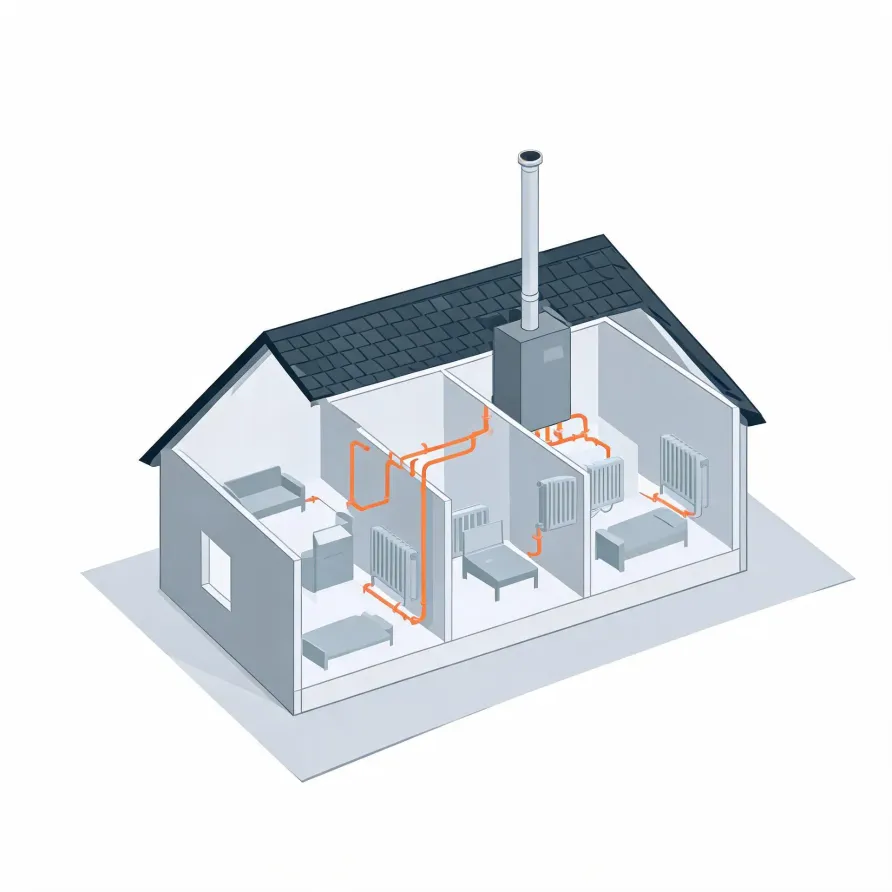
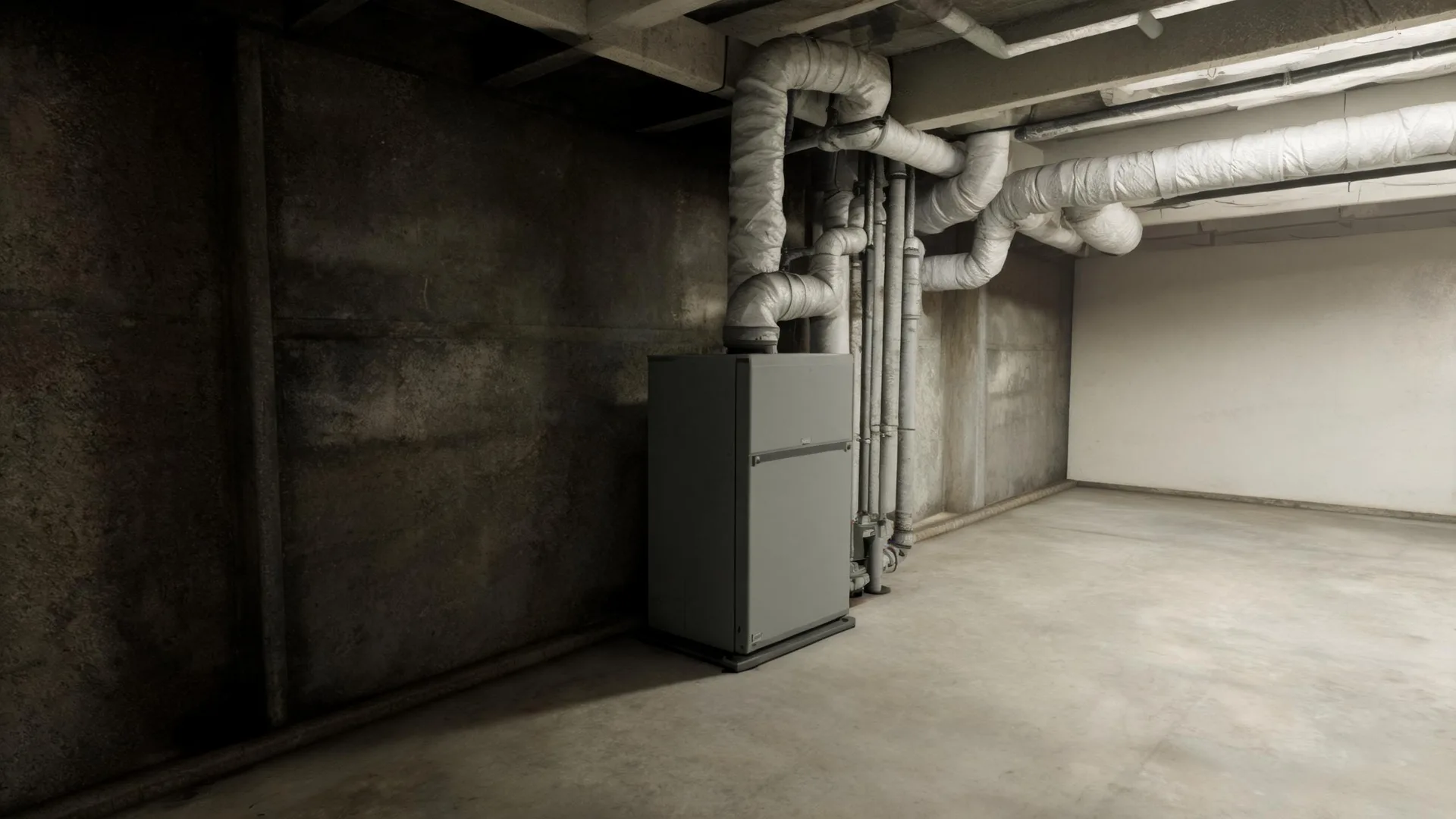
The boiler itself sits in the basement or a mechanical room and is the unit that heats water for the whole system. Wall-mounted or floor-standing depending on the house, it connects to a flue that runs to an exterior vent. Radiators or baseboard convectors occupy individual rooms and are the pieces a homeowner sees and feels every day.
A circulator pump moves the heated water from the boiler out through the supply pipes and back through the return lines, and it mounts directly to the boiler or on the adjacent piping. An expansion tank, a pressure relief valve, and a backflow preventer sit close by on those same pipes and handle pressure and safety for the closed loop.
The drawing shows a typical layout, and a licensed contractor determines exactly which components and configurations apply to your house.
Find a contractor in Pike CountyPike County, by the numbers
56 severe weather events were recorded in Pike County, Missouri between 2015 and 2024.
NOAA National Centers for Environmental Information, Storm Events Database, bulk CSV export, events 2015-01-01 through 2024-12-31.Half the homes in Pike County, Missouri were built in 1971 or earlier (2020-2024 ACS 5-year).
U.S. Census Bureau, 2020-2024 American Community Survey 5-Year EstimatesPike County, Missouri holds 7,620 housing units (2020-2024 ACS 5-year).
U.S. Census Bureau, 2020-2024 American Community Survey 5-Year EstimatesOwners occupy 73.3% of the occupied homes in Pike County, Missouri (2020-2024 ACS 5-year).
U.S. Census Bureau, 2020-2024 American Community Survey 5-Year EstimatesSevere Weather Events in Pike County
Boilers carry the load when outdoor conditions push hard against a building's envelope. How often that happens in Pike County shapes what a boiler here is asked to do, and what kind of installation holds up over time.
56 severe weather events, 2015–2024. Source: NOAA National Centers for Environmental Information, Storm Events Database.