Tell us about the job
Takes about a minute. No obligation.
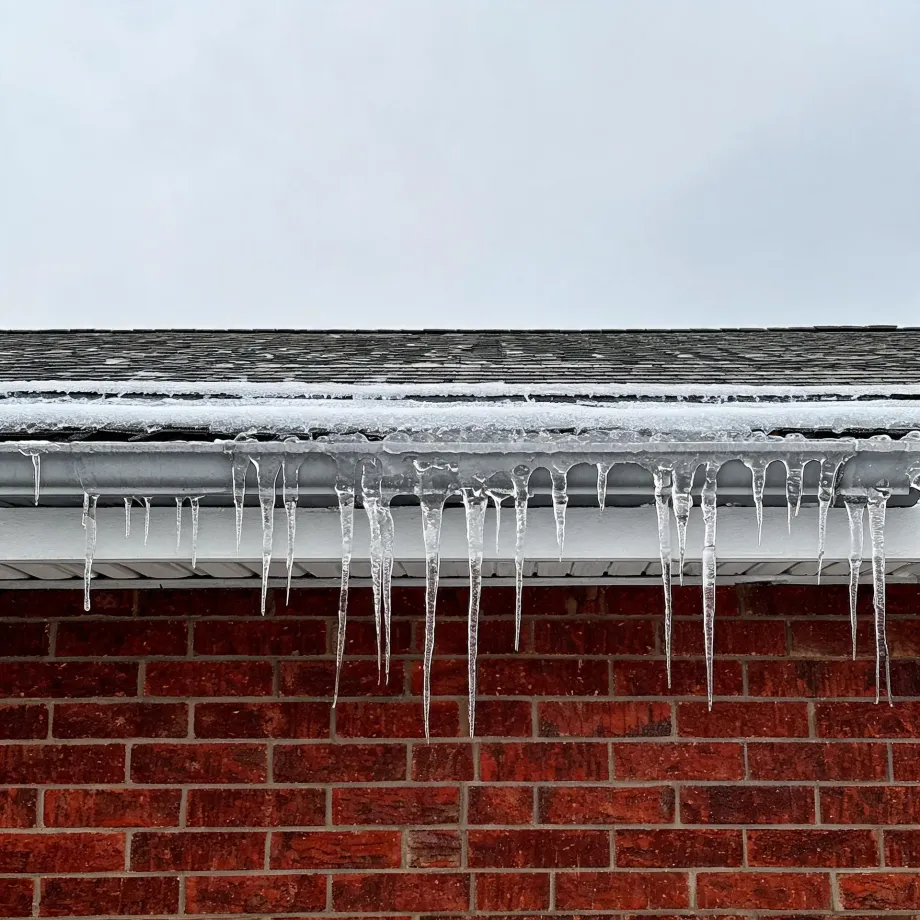
Sizing a boiler for Reynolds County requires a contractor to account for a heating load that runs the burner and heat exchanger hard through most of the calendar. Homes in Reynolds County, MO run heat about seven months a year, from October through April. A system that was underspecified at install cycles more often than it should to hold temperature, and that extra cycling loads the ignition system and the heat exchanger in ways that add up before the warranty period is over. A contractor quoting a replacement or a new install here has to run a proper load calculation, not carry over the capacity of whatever the house had before.
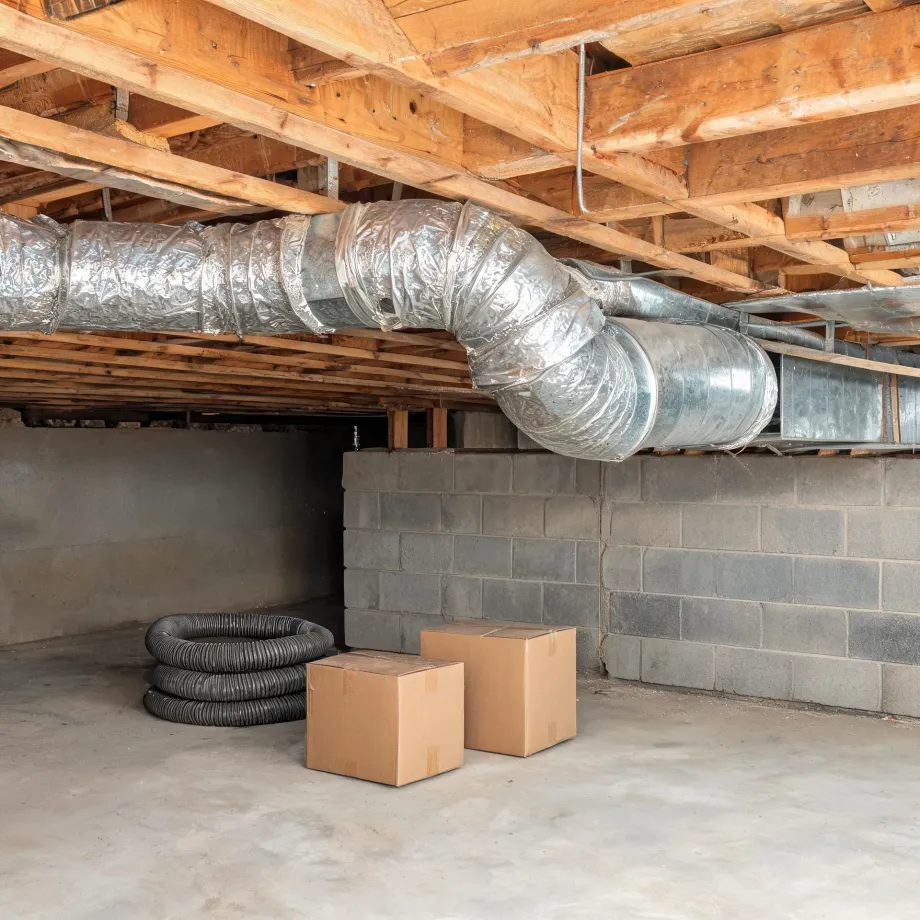
Ductwork in much of this county's housing was sized and routed for whatever system came with the house originally, and a new boiler does not automatically fit that layout. Half the homes in Reynolds County, Missouri were built in 1975 or earlier (2020-2024 ACS 5-year). That gap between original construction and what a contractor is now asked to install is where the scope of a boiler job gets settled. If the existing distribution system carries the new output without modification, the job is straightforward. If it does not, the contractor is working on the house as much as the equipment, and the quote reflects that before anything else is priced.
What a New Boiler System Puts in Your Home
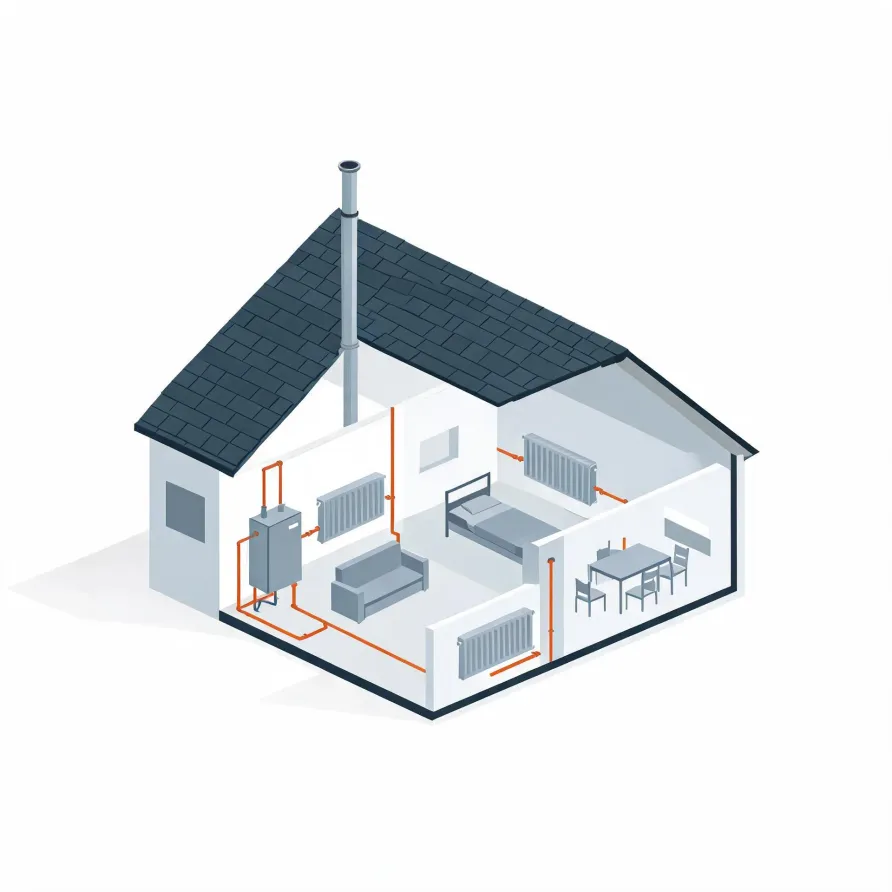
The boiler itself sits in the basement or mechanical room and is the unit that heats water for the whole system. Paired with it is the expansion tank, which absorbs pressure changes as water heats and cools. Together these two pieces form the heart of what a contractor installs.
From the boiler, supply and return pipes run through the house to the radiators or baseboard convectors mounted along the walls in each room. A circulator pump, bolted directly to the piping near the boiler, moves hot water through that loop. The thermostat on the wall ties the whole system together by telling the boiler when to fire.
The drawing shows a general layout of these components, and a licensed contractor determines exactly how they apply to your house.
Find a contractor in Reynolds CountyReynolds County, by the numbers
45 severe weather events were recorded in Reynolds County, Missouri between 2015 and 2024.
NOAA National Centers for Environmental Information, Storm Events Database, bulk CSV export, events 2015-01-01 through 2024-12-31.Half the homes in Reynolds County, Missouri were built in 1975 or earlier (2020-2024 ACS 5-year).
U.S. Census Bureau, 2020-2024 American Community Survey 5-Year EstimatesReynolds County, Missouri holds 3,461 housing units (2020-2024 ACS 5-year).
U.S. Census Bureau, 2020-2024 American Community Survey 5-Year EstimatesOwners occupy 79.8% of the occupied homes in Reynolds County, Missouri (2020-2024 ACS 5-year).
U.S. Census Bureau, 2020-2024 American Community Survey 5-Year EstimatesSevere Weather Events in Reynolds County
Reynolds County weather puts real demands on heating equipment over time. A boiler sized and installed for local conditions holds up where a generic specification falls short.
45 severe weather events, 2015–2024. Source: NOAA National Centers for Environmental Information, Storm Events Database.