Tell us about the job
Takes about a minute. No obligation.
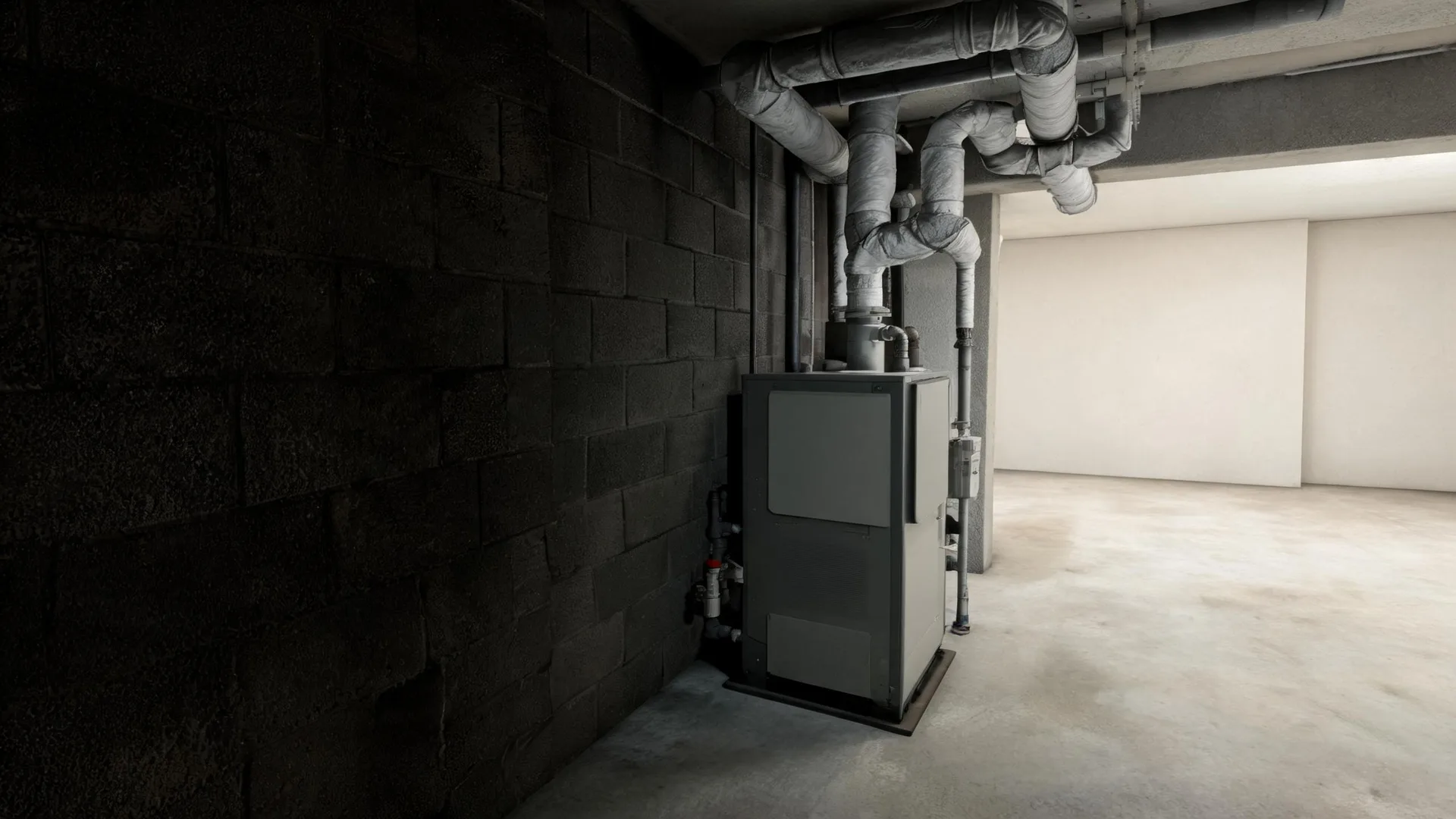
Sizing a boiler for a DeKalb County home means accounting for a burner and ignition system that cycle hard and rest little. Homes in DeKalb County, MO run heat about seven months a year, from October through April. A contractor calculating the load here has to get the heat output right from the start, because a unit running near its limit through a season that long accumulates wear on the heat exchanger and ignition components faster than a correctly sized replacement would. That wear shows up as reduced output and nuisance lockouts before the equipment reaches the end of a normal service life.
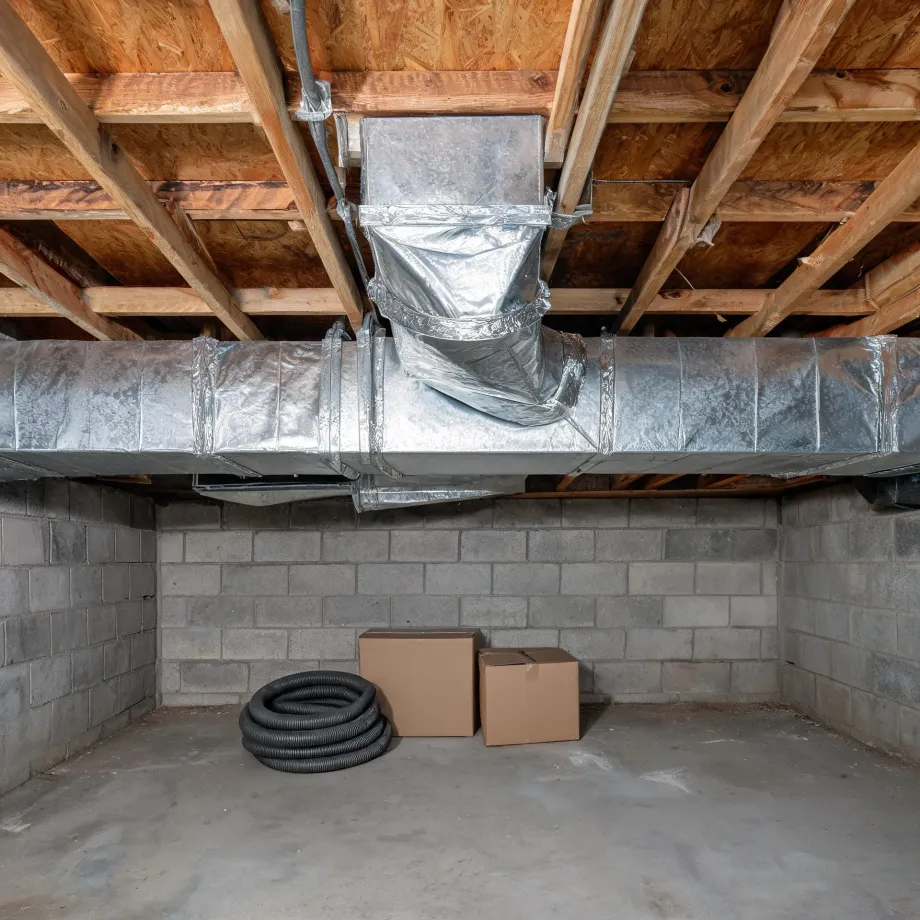
The electrical service panel is often the job's first variable in this county, not the boiler itself. Half the homes in DeKalb County, Missouri were built in 1982 or earlier (2020-2024 ACS 5-year). A house from that era was wired for the equipment of its time, and a modern boiler's electrical demands can exceed what that original service was sized to handle. A contractor will pull the panel cover and read what is actually there before a quote for new equipment means anything.
What a Boiler Installation Puts in Your Home
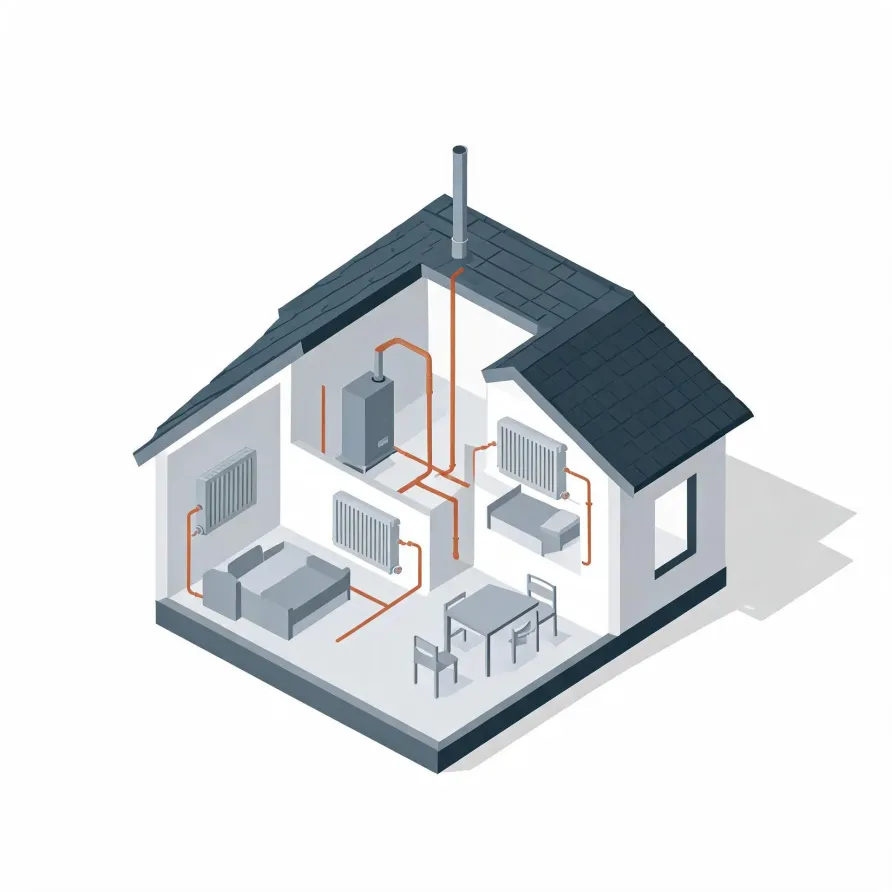
The boiler itself sits in a mechanical room, basement, or utility space and is the unit that heats water for the whole system. Wall-mounted or floor-standing depending on the house, it connects to a flue that exits through the wall or roof to carry exhaust gases out. That unit is the core of what a contractor installs.
From the boiler, supply and return pipes run through the house to the heat emitters, which are radiators, baseboard units, or radiant floor loops set in each room or zone. A circulator pump moves water through those pipes, and an expansion tank sits near the boiler to absorb pressure changes as the water heats and cools. A thermostat or zone controls tie it all together from wherever the homeowner sets them.
The drawing shows the general layout of a boiler system, and a licensed contractor determines exactly which components and configurations apply to your home.
Find a contractor in DeKalb CountyDeKalb County, by the numbers
45 severe weather events were recorded in DeKalb County, Missouri between 2015 and 2024.
NOAA National Centers for Environmental Information, Storm Events Database, bulk CSV export, events 2015-01-01 through 2024-12-31.Half the homes in DeKalb County, Missouri were built in 1982 or earlier (2020-2024 ACS 5-year).
U.S. Census Bureau, 2020-2024 American Community Survey 5-Year EstimatesDeKalb County, Missouri holds 4,270 housing units (2020-2024 ACS 5-year).
U.S. Census Bureau, 2020-2024 American Community Survey 5-Year EstimatesOwners occupy 71.1% of the occupied homes in DeKalb County, Missouri (2020-2024 ACS 5-year).
U.S. Census Bureau, 2020-2024 American Community Survey 5-Year EstimatesSevere Weather Events in DeKalb County
Weather puts a measurable load on heating equipment, and that load is shaped by local conditions. Boiler systems sized and installed for what DeKalb County actually experiences will hold up better than those specced to a generic standard.
45 severe weather events, 2015–2024. Source: NOAA National Centers for Environmental Information, Storm Events Database.