Tell us about the job
Takes about a minute. No obligation.
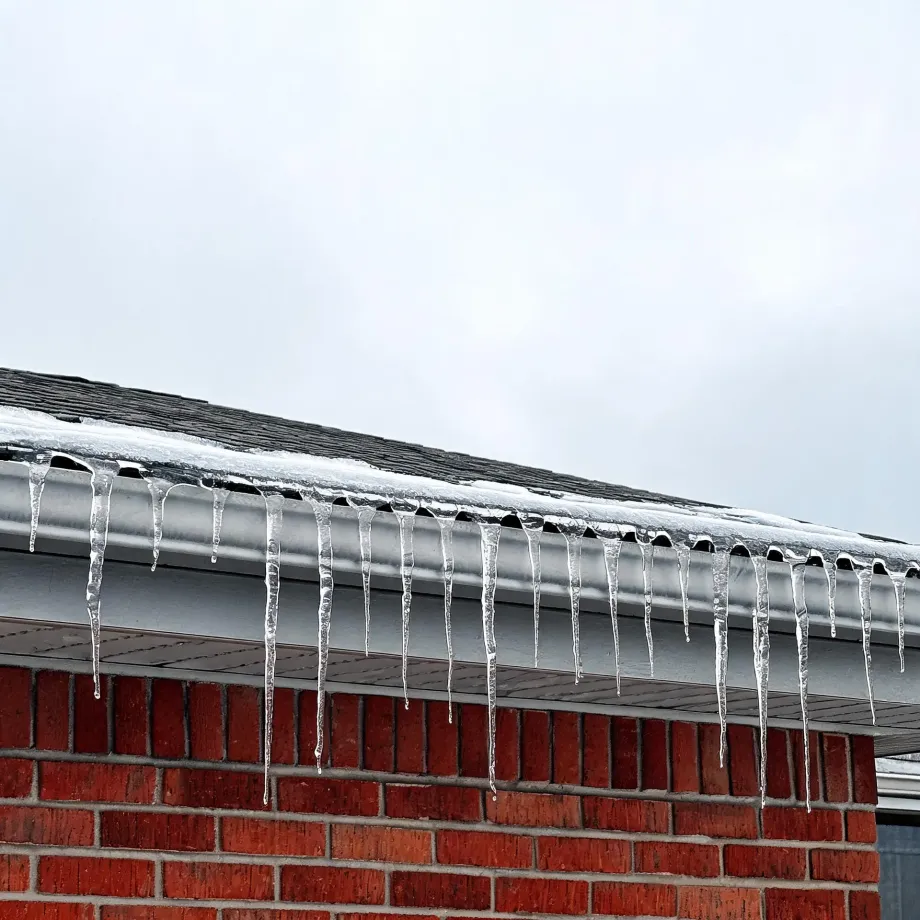
A contractor quoting a boiler installation in Washington County has to size for a long, committed heating load. Homes in Washington County, MO run heat about seven months a year, from October through April. The burner, heat exchanger, and ignition system cycle repeatedly across those months, and a unit that is undersized or installed without proper flow balance works harder than it should from the first cold snap. A sloppy install has nowhere to hide here. Getting the sizing right before the boiler goes in is what keeps a contractor from coming back to diagnose premature wear on parts that should have lasted.
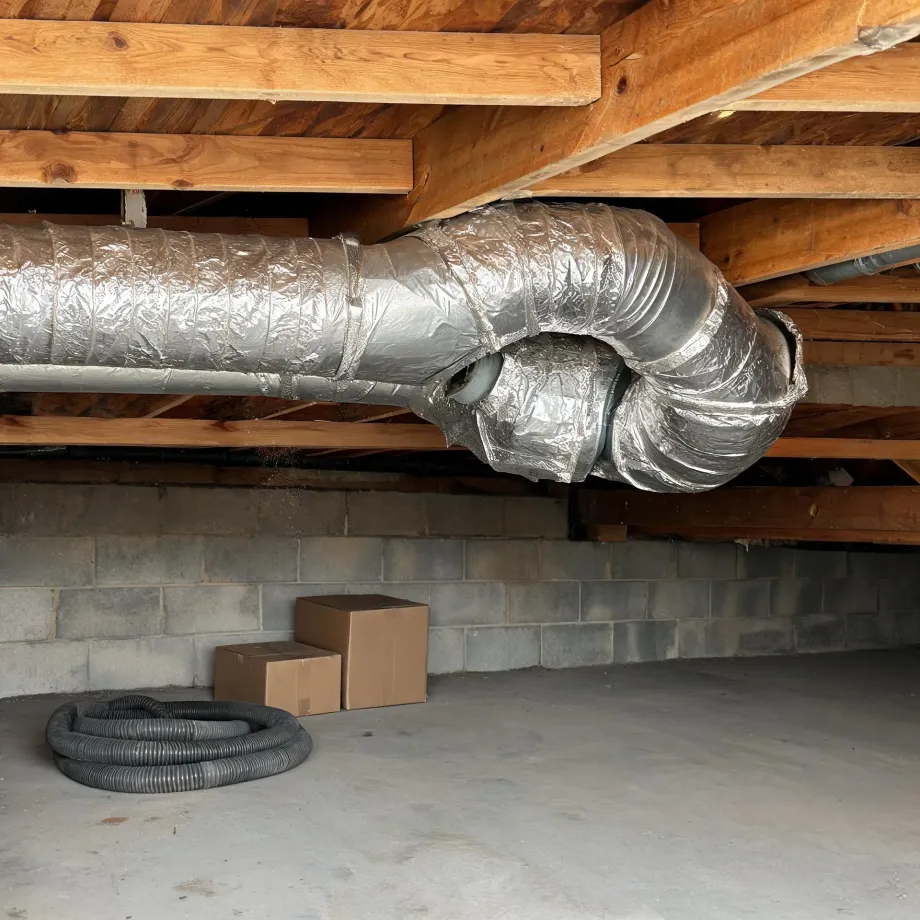
Ductwork routed for equipment that has since been replaced is what a boiler installer actually has to price around in Washington County. Half the homes in Washington County, Missouri were built in 1985 or earlier (2020-2024 ACS 5-year). Pipe runs, clearances, and distribution layouts that made sense for whatever heated the house originally may not suit a new boiler without modification. A contractor who quotes without pulling access panels is guessing at that piece of the job, and the guess is where the bill changes.
What a Boiler Installation Puts in Your Home
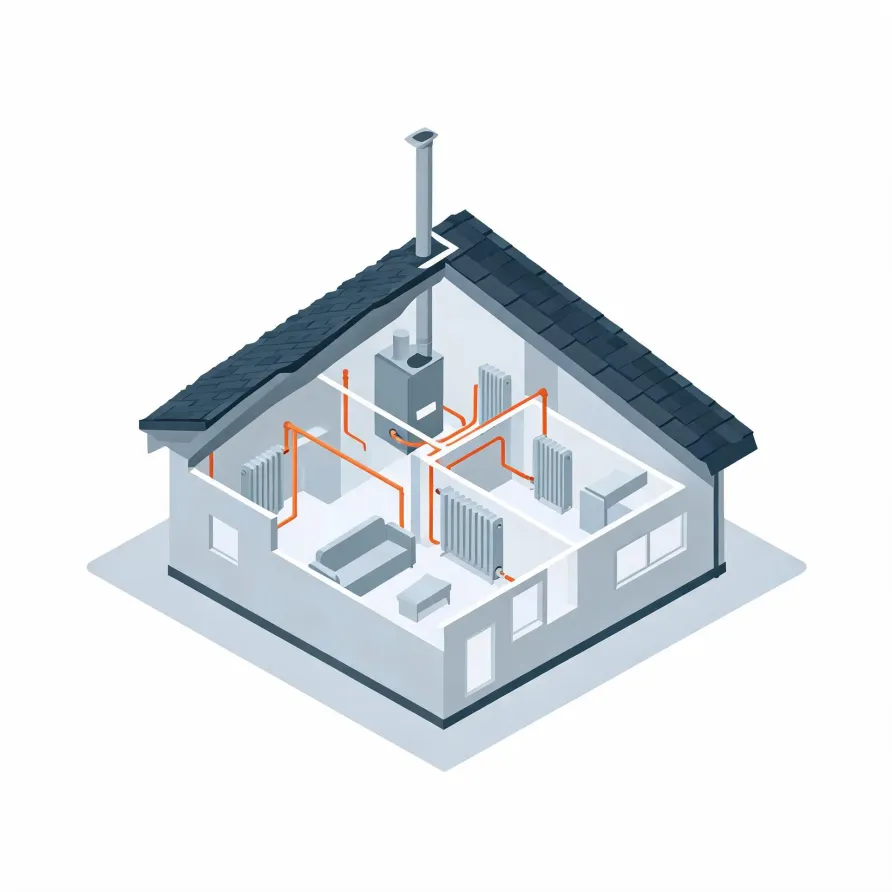
The boiler itself sits in a mechanical room, basement, or utility space and is where water gets heated before it moves through the house. Paired with it is the expansion tank, which mounts close by and absorbs pressure changes as the water heats and cools. Together these two pieces form the heart of what gets put in.
From the boiler, supply pipes run to radiators or radiant panels positioned throughout the living spaces, each one placed to deliver heat to a specific room. A circulator pump, mounted on the piping near the boiler, keeps water moving through that loop. A pressure relief valve and the system controls round out what a contractor fits during the job.
The drawing shows a typical layout, and a licensed contractor determines exactly which components and configurations apply to your house.
Find a contractor in Washington CountyWashington County, Missouri, by the numbers
64 severe weather events were recorded in Washington County, Missouri between 2015 and 2024.
NOAA National Centers for Environmental Information, Storm Events Database, bulk CSV export, events 2015-01-01 through 2024-12-31.Half the homes in Washington County, Missouri were built in 1985 or earlier (2020-2024 ACS 5-year).
U.S. Census Bureau, 2020-2024 American Community Survey 5-Year EstimatesWashington County, Missouri holds 10,734 housing units (2020-2024 ACS 5-year).
U.S. Census Bureau, 2020-2024 American Community Survey 5-Year EstimatesOwners occupy 78.4% of the occupied homes in Washington County, Missouri (2020-2024 ACS 5-year).
U.S. Census Bureau, 2020-2024 American Community Survey 5-Year EstimatesSevere Weather Events in Washington County
Boiler systems in Washington County work against whatever the local climate demands, and that demand is shaped by how hard the weather runs here. The number of severe weather events a county sees over time is a direct signal of how hard heating equipment has to work and how important proper installation is.
64 severe weather events, 2015–2024. Source: NOAA National Centers for Environmental Information, Storm Events Database.