Tell us about the job
Takes about a minute. No obligation.
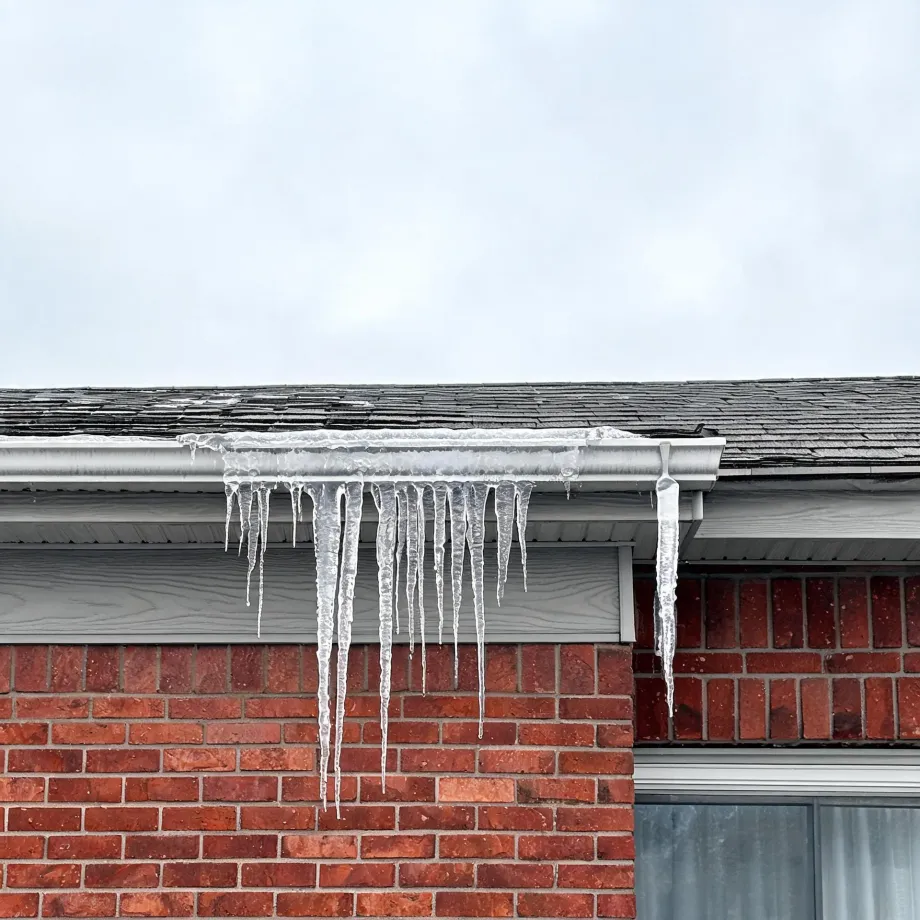
Sizing a boiler for this county starts with how hard and how continuously it runs. Homes in Atchison County, MO run heat about eight months a year, from October through May. The burner and ignition system cycle through most of the year with little idle time to spare, and a system that is undersized or loosely commissioned shows that strain in the heat exchanger and controls sooner than a contractor working from a generic load estimate would expect. A contractor doing the install here has to account for that sustained demand before settling on equipment capacity, because a boiler that is marginal at commissioning will not have quiet months to compensate.
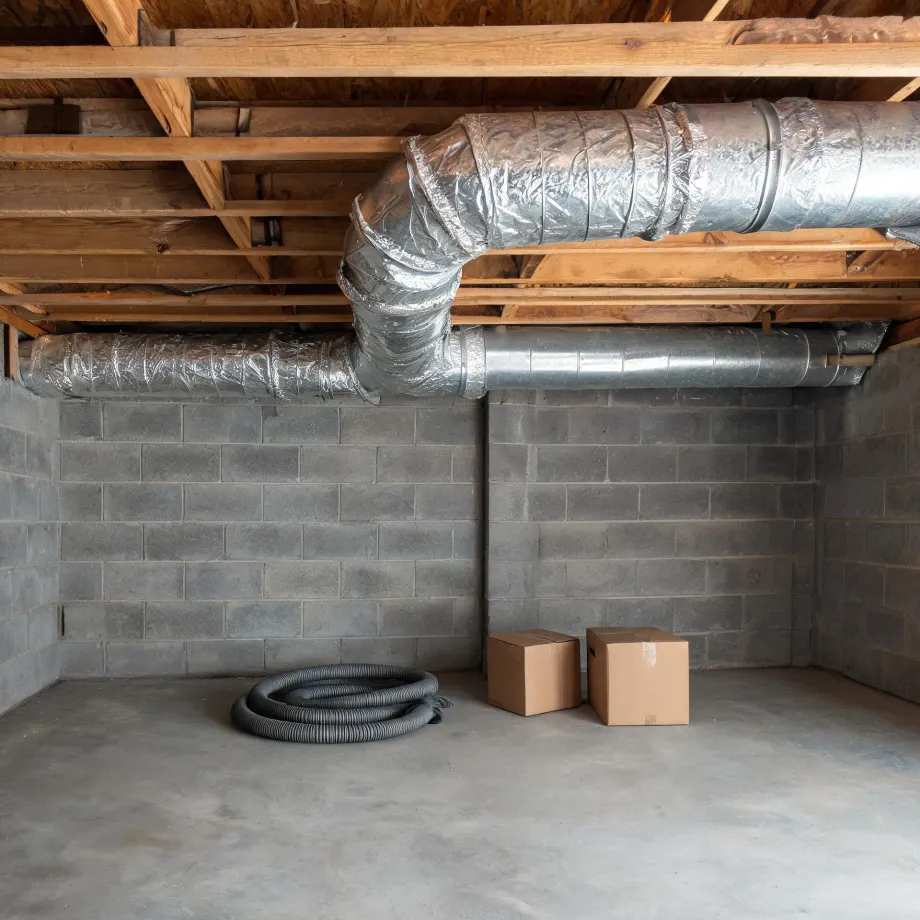
Ductwork and electrical service laid down for an earlier generation of equipment are what a contractor has to assess before a boiler installation in Atchison County can be quoted accurately. Half the homes in Atchison County, Missouri were built in 1957 or earlier (2020-2024 ACS 5-year). That means a house may have supply runs sized for a system it replaced years ago, and a service panel that was not planned around what a modern boiler draws. The equipment a homeowner chooses is straightforward to spec; what carries it through the house is where the job gets decided.
What a New Boiler System Puts in Your Home
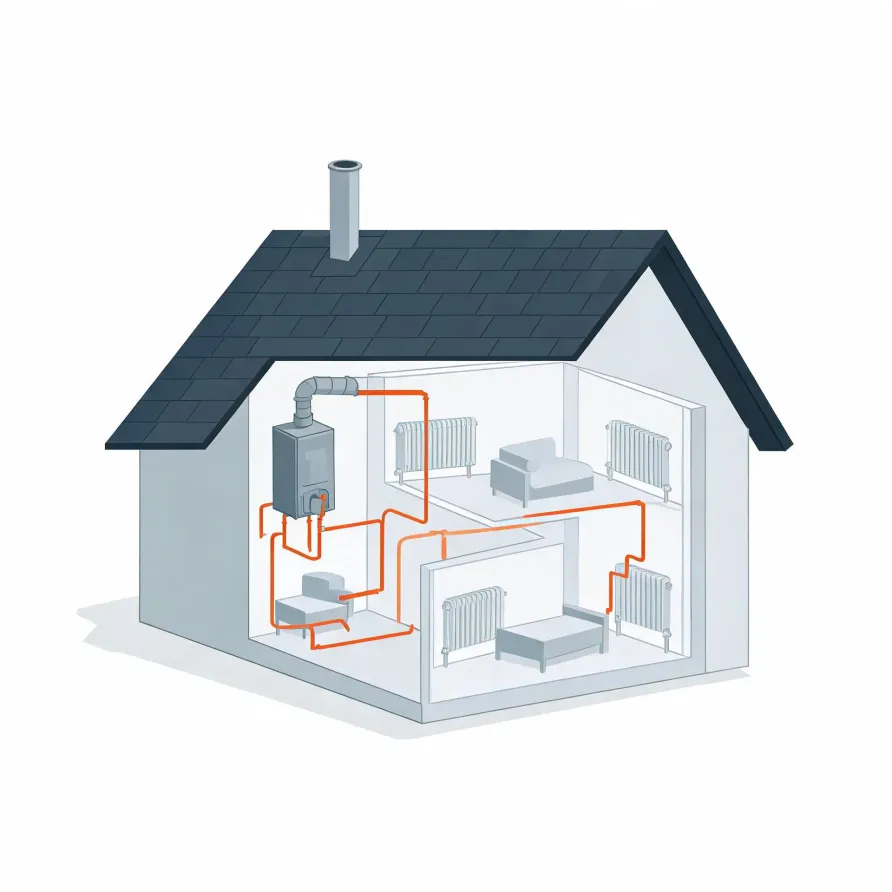
The boiler itself sits in a mechanical room, basement, or utility closet and is the unit that heats water. Attached to it are the supply and return lines, which carry hot water out to the living spaces and bring cooled water back. A pressure relief valve and an expansion tank mount close to the boiler and protect the system from pressure buildup.
Radiators or baseboard convectors run along the walls of each room and release heat into the space. A circulator pump, mounted on the piping near the boiler, moves water through the loop. The thermostat or zone controls go on the wall and tell the system when to run.
The drawing shows a typical layout, and a licensed contractor determines exactly what applies to this house.
Find a contractor in Atchison CountyAtchison County, Missouri, by the numbers
76 severe weather events were recorded in Atchison County, Missouri between 2015 and 2024.
NOAA National Centers for Environmental Information, Storm Events Database, bulk CSV export, events 2015-01-01 through 2024-12-31.Half the homes in Atchison County, Missouri were built in 1957 or earlier (2020-2024 ACS 5-year).
U.S. Census Bureau, 2020-2024 American Community Survey 5-Year EstimatesAtchison County, Missouri holds 2,726 housing units (2020-2024 ACS 5-year).
U.S. Census Bureau, 2020-2024 American Community Survey 5-Year EstimatesOwners occupy 76.8% of the occupied homes in Atchison County, Missouri (2020-2024 ACS 5-year).
U.S. Census Bureau, 2020-2024 American Community Survey 5-Year EstimatesSevere Weather Events in Atchison County
Weather extremes put a direct load on heating equipment, shortening service life and exposing undersized or aging systems faster than mild climates do. Boiler selection and installation in Atchison County is a local decision, and local conditions are part of it.
76 severe weather events, 2015–2024. Source: NOAA National Centers for Environmental Information, Storm Events Database.