Boiler pilot light out in Florissant, MO

Get matched with someone who does this kind of work in St. Louis County.

Find a boiler pro

A pilot light that won't stay lit usually comes down to one of a few things: a dirty or worn thermocouple that can't sense the flame, a draft reaching the pilot assembly, a clogged pilot orifice, or a gas valve starting to fail. On an older boiler, the thermocouple is the most common cause, since it wears out with age and stops sending the signal that tells the gas valve to stay open. If you relight it and it goes out again within a minute or two, that points straight at the thermocouple or the gas valve rather than a draft. With winters here getting cold, a boiler that keeps losing its pilot needs attention soon. This isn't something to leave for later in the season, since a boiler that won't hold a flame won't heat your home at all, and in St. Louis County that matters once cold weather sets in.

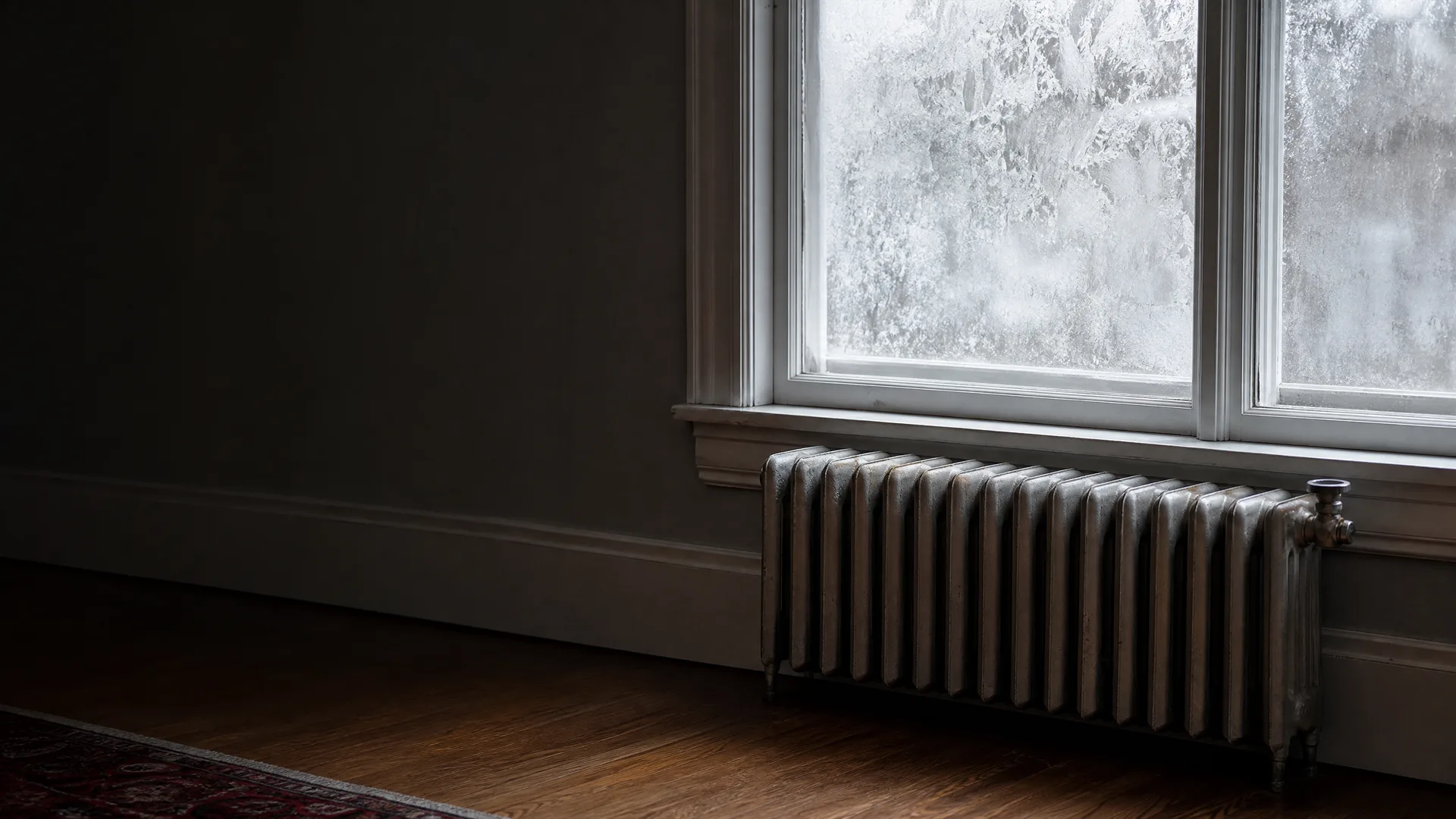
A cast-iron column radiator beneath a frosted window in a dim room with dark walls, white trim and a wood floor with a patterned rug at lower left.

You wake up before the thermostat does anything about the cold, and the living room still has last night's chill in it. The radiator under the window sits quiet, no tick of expanding metal, no warmth coming off the cast iron. Frost has formed on the inside of the glass, a thin white film you can scrape with a fingernail. Outside it's the kind of January morning St. Louis County gets more than a few of, gray and well below freezing. You crouch down and check the pilot through the little window on the boiler. Nothing. No blue flame, no glow, just the dark chamber and the smell of standing gas.
Why does a dead pilot light matter so much here?

  • Winter nights average 26°F

    Overnight lows average 26°F here in winter, so a boiler that won't relight has to get fixed fast, not in a day or two.

  • Heat runs October through April

    With heat running from October through April, a boiler sitting idle with a dead pilot isn't a rare event. It's a long stretch where it has to work.

  • 74.6% of homes heat with gas

    Close to three out of four homes in the county heat with gas, which means a gas boiler problem like this one is familiar territory for most local contractors.

NOAA nClimDiv 1991-2020 · ACS 2020-2024

Relighting it yourself

Most boilers have the lighting steps printed right on a plate near the gas valve. If you can reach the pilot assembly and the gas valve has a working pilot setting, you can turn the knob to pilot, hold it in, and light the pilot with a long lighter while watching for the flame to catch and stay. If it catches and holds once you release the knob, the thermocouple is reading the flame fine and the outage might have been a draft or a one-time flameout. If the flame won't hold past a few seconds after you let go, the thermocouple isn't sensing it and the pilot will keep going out no matter how many times you relight it.

When it needs a repair call

If the pilot won't catch at all, or it catches and dies again within a minute, relighting it yourself isn't going to fix anything. That points to a thermocouple that needs replacing, a clogged orifice restricting the gas, or a gas valve on its way out, and all three need a licensed hand on the gas line. A contractor who works on boilers in St. Louis County through the winter has seen which of these fails most on your type of boiler and carries the part on the truck. Getting it diagnosed and fixed the same visit matters more here than most places, since overnight lows in the 20s don't give a cold house much time to wait.

A middle-aged man with grey hair and a beard, wearing a grey knit sweater, sits on a light sofa in a sunlit living room with a houseplant, wooden cabinet and framed landscape picture behind him.
A man with greying hair and a beard in an olive sweater sits on a sofa in a living room, looking to his left, with an armchair, round side table and large glass doors onto trees behind him.
A gray-haired bearded man in a dark blue shirt over a white t-shirt sits on a leather sofa in a living room with built-in shelves, a floor lamp, an armchair and large windows, looking off to the side.
A man with gray-brown hair and stubble in a dark sweater sits on a light-colored sofa in a living room, looking off to the side, with a houseplant, framed picture, shelving and a sunlit window behind him.

Get matched with a boiler pro in St. Louis County

The pro who gets in touch is licensed in Missouri and works in St. Louis County.

No charge to send it. You decide if you hire them.

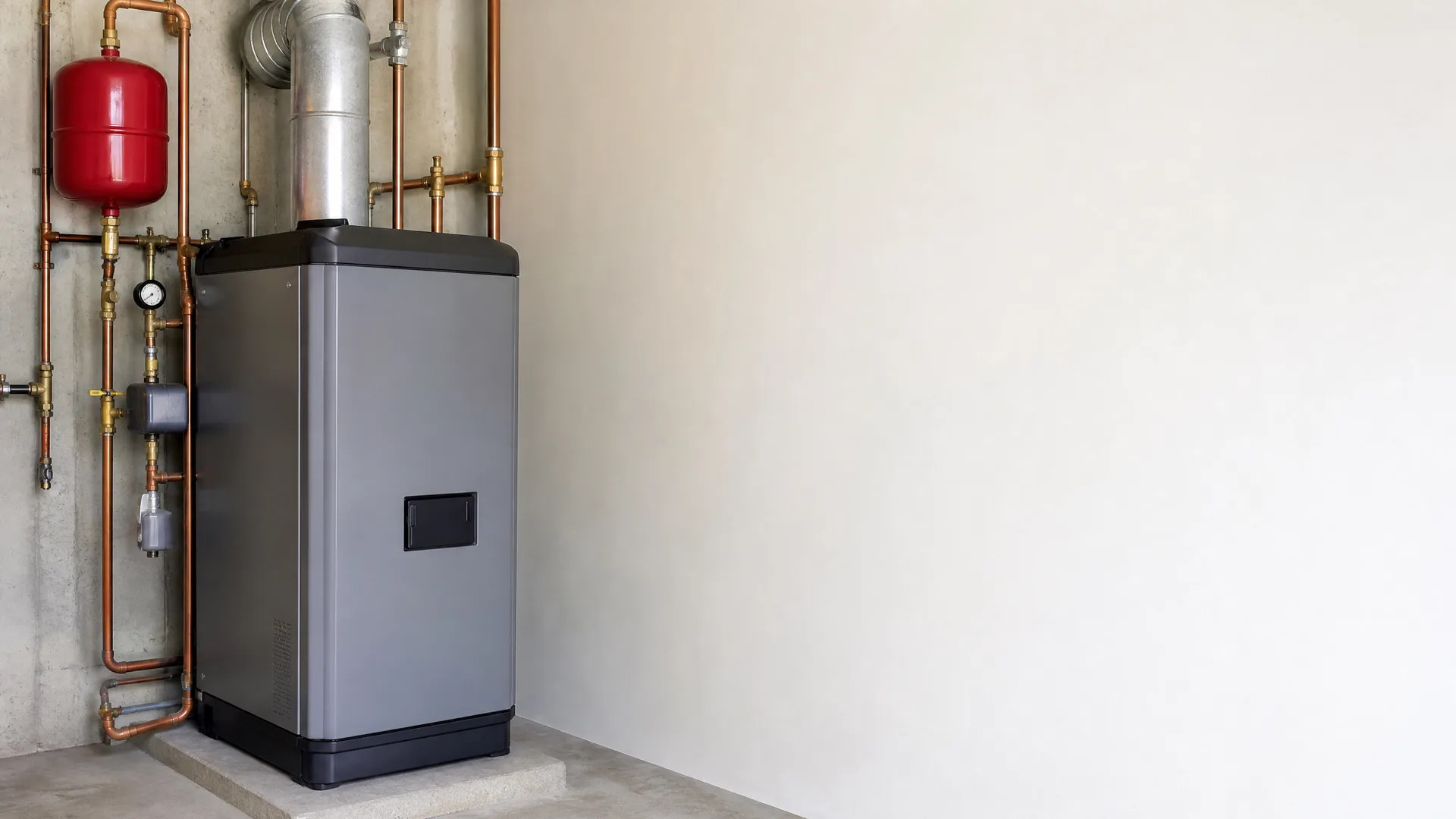
A gray floor-standing boiler on a concrete pad in a basement room, connected to copper pipes, a red expansion tank, a pressure gauge and a metal flue against a plain wall.

Why the thermocouple fails first

The thermocouple is a thin copper rod sitting right in the pilot flame. Heat on its tip generates a small electric current that tells the gas valve a flame is present and it's safe to let gas through. Once that rod corrodes or the tip drifts out of the flame, the reading drops, the valve reads it as no flame, and it shuts the gas off within seconds. It's a cheap part, but it has to sit exactly in the flame to work.

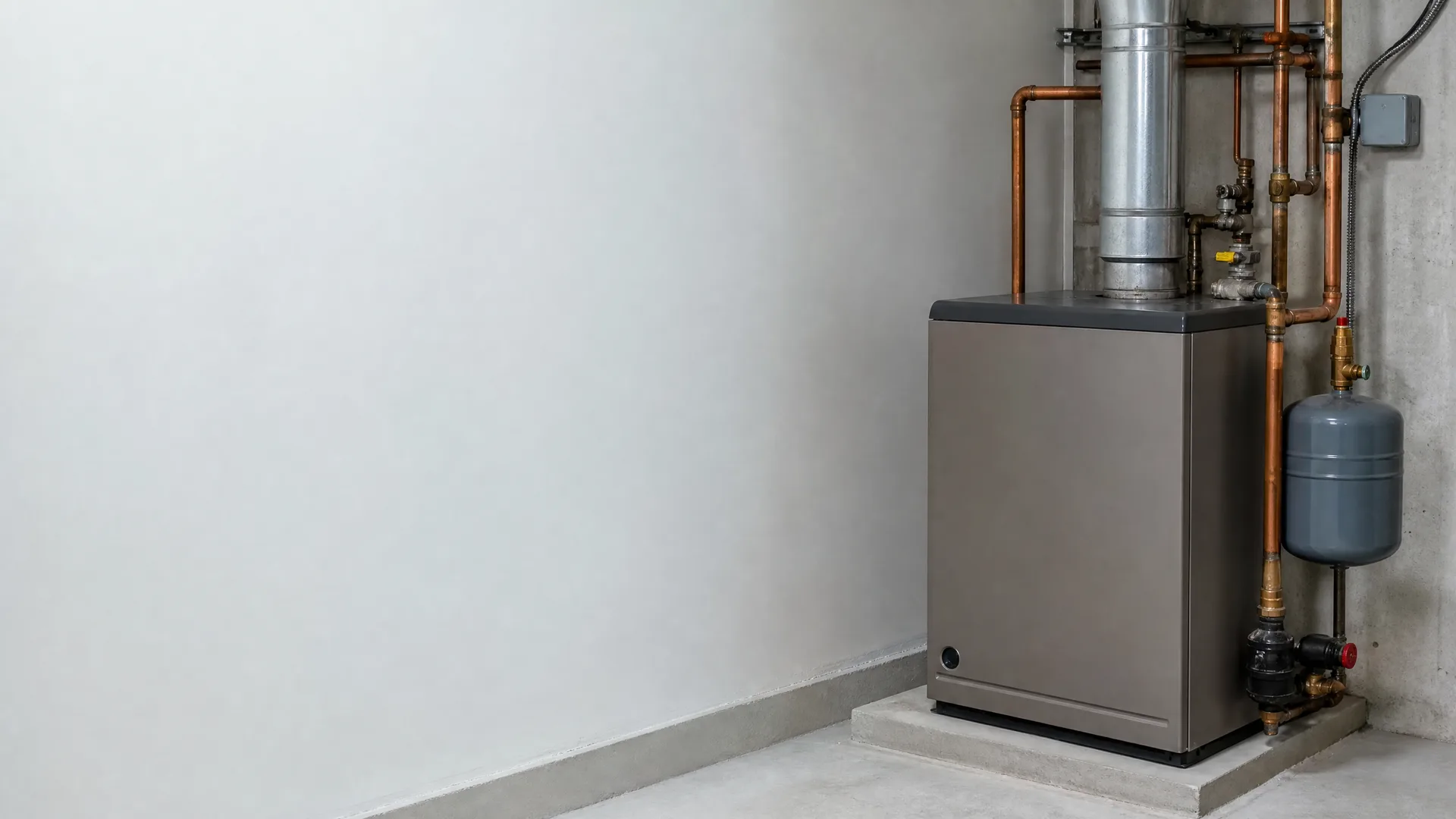
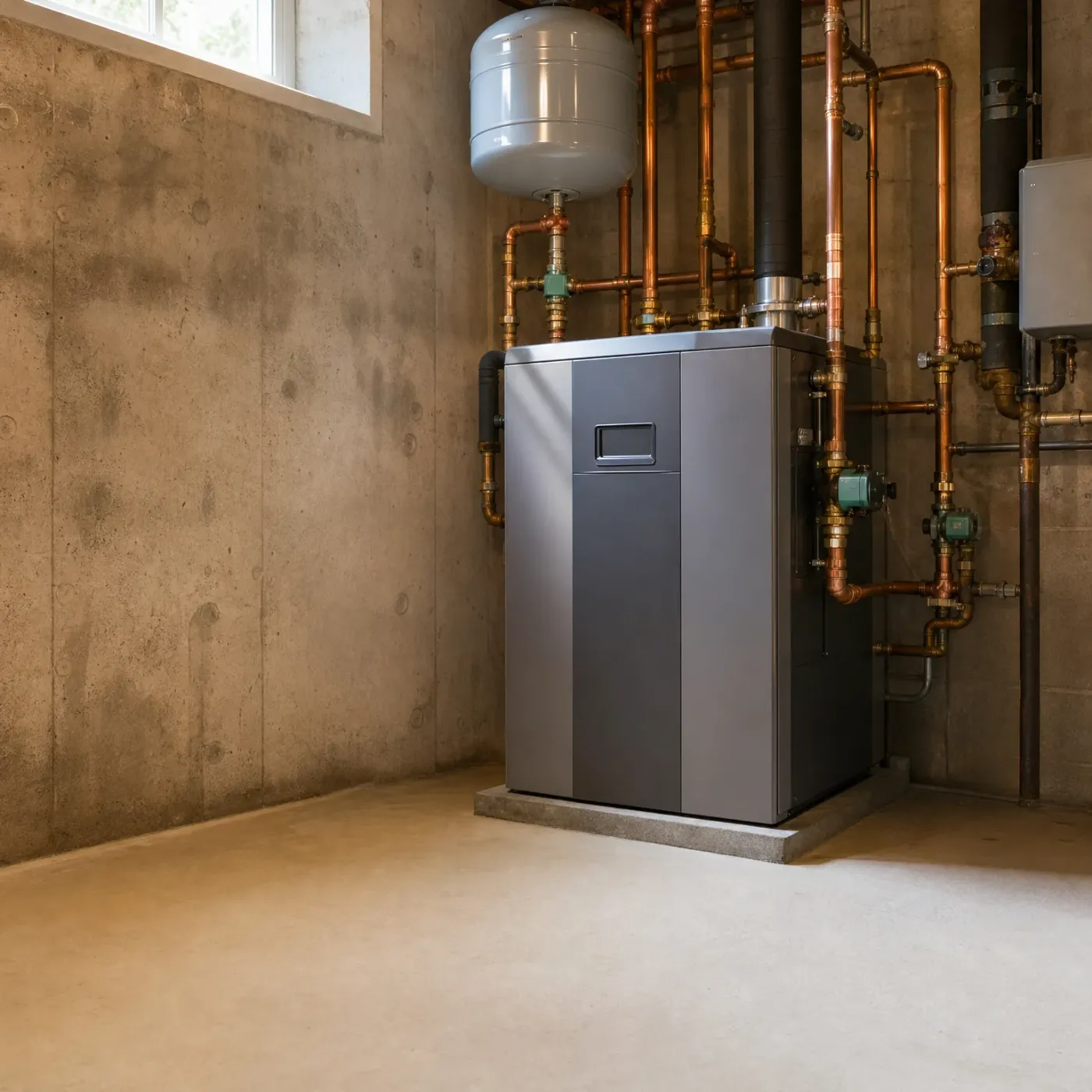
A grey floor-standing boiler on a concrete plinth in a corner of a plain room, with copper pipework, a metal flue, an expansion vessel and valves along the wall.

What a dirty orifice does

Gas reaches the pilot through a small brass orifice, and over years of running that orifice collects dust and lint pulled in with combustion air. A partly blocked orifice starves the pilot of gas, so the flame burns small and leans away from the thermocouple tip instead of wrapping around it. The flame might even stay lit but never heat the thermocouple enough to hold the gas valve open, so it drops out again a minute or two after you let go of the knob.

Winter nights average 26°F

At 26°F overnight, a boiler with no pilot isn't just inconvenient, it's a house losing heat fast while the gas valve stays shut. Pipes along outside walls are the first thing to worry about if that goes on for a day or two.

NOAA nClimDiv 1991-2020

How the Pilot Actually Relights

  • The thermocouple needs about 20 to 30 seconds of contact with the pilot flame before it bends enough to hold the gas valve open.
  • Letting go of the gas knob too soon after lighting is the single most common reason a pilot won't stay lit on the first try.
  • A pilot flame that burns yellow or orange instead of a steady blue points to a dirty orifice or a draft problem, not a bad thermocouple.
  • Some older gas valves have a reset button that needs a few minutes' wait before a second lighting attempt will work.
  • The thermocouple tip should sit inside the pilot flame itself, not beside it, or it won't read a flame is present even when one is lit.
  • A pilot that relights but goes out again within a minute usually means the thermocouple connection at the gas valve has worked loose.

Lighting a pilot isn't just holding a match to it and letting go. The gas knob has to stay pressed in after the flame catches, because that's what keeps gas flowing to the thermocouple while it heats up. That rod needs real time in direct contact with the flame, not just a quick pass through it, before it generates enough current to signal the gas valve. Let go too early and the valve senses no flame and shuts the gas back off, even though you saw fire a second ago. That's why the same attempt can fail three times in a row and work on the fourth, nothing changed except how long the knob stayed down.

The flame itself tells you something too. A steady blue flame means the orifice is clean and the pilot is drawing air the way it should. Yellow or orange means something is off with the orifice or there's a draft pulling at the flame, and that's worth noting separately from a thermocouple problem, since the fix isn't the same.

Some gas valves add another step. Older valves have a reset button, and pressing it again right away before the valve has had a few minutes to reset won't do anything but waste matches.

If the pilot lights, holds, and then dies again within a minute, check whether the thermocouple's connection at the valve has backed out. A loose connection reads the same as a failed part, but it's a different fix entirely.

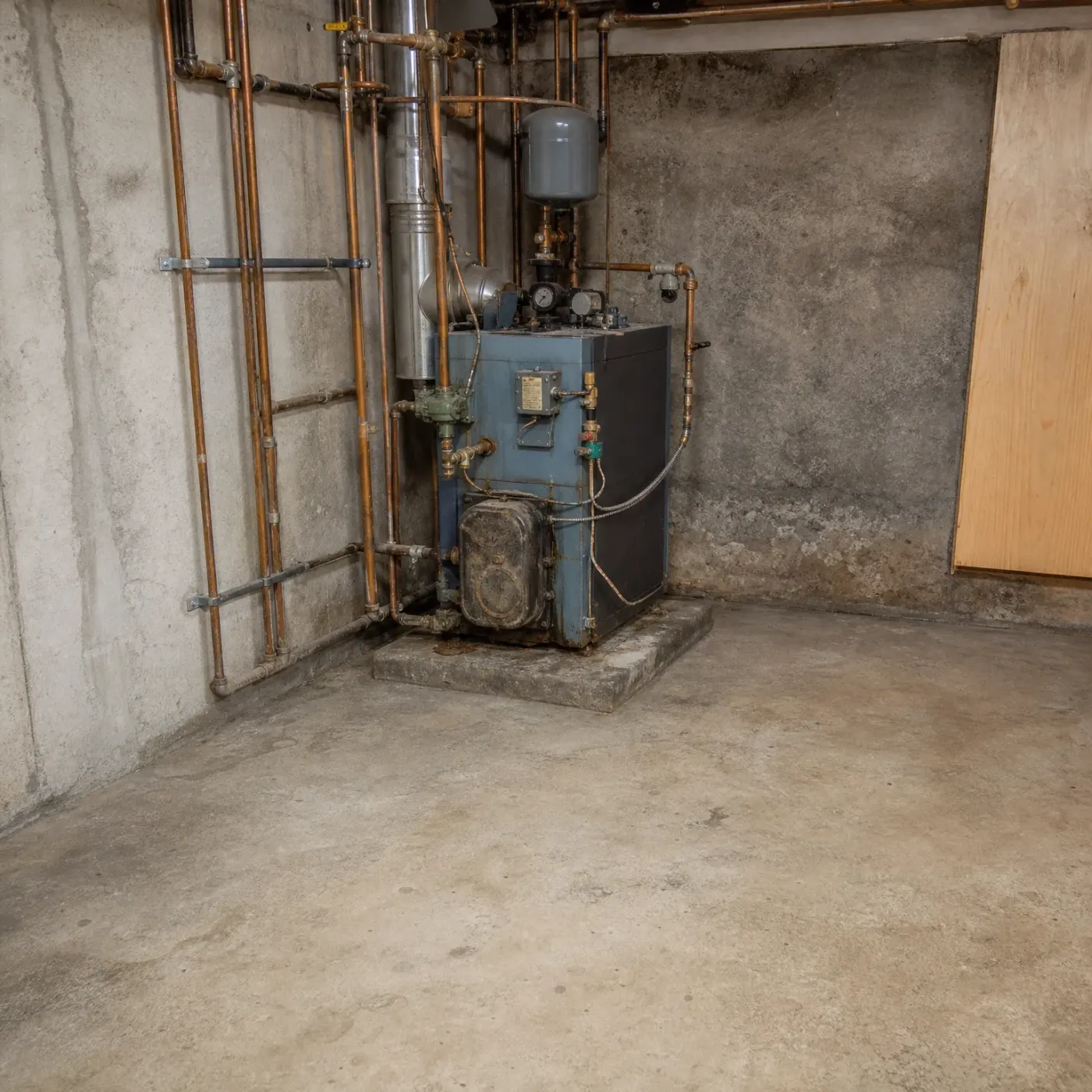
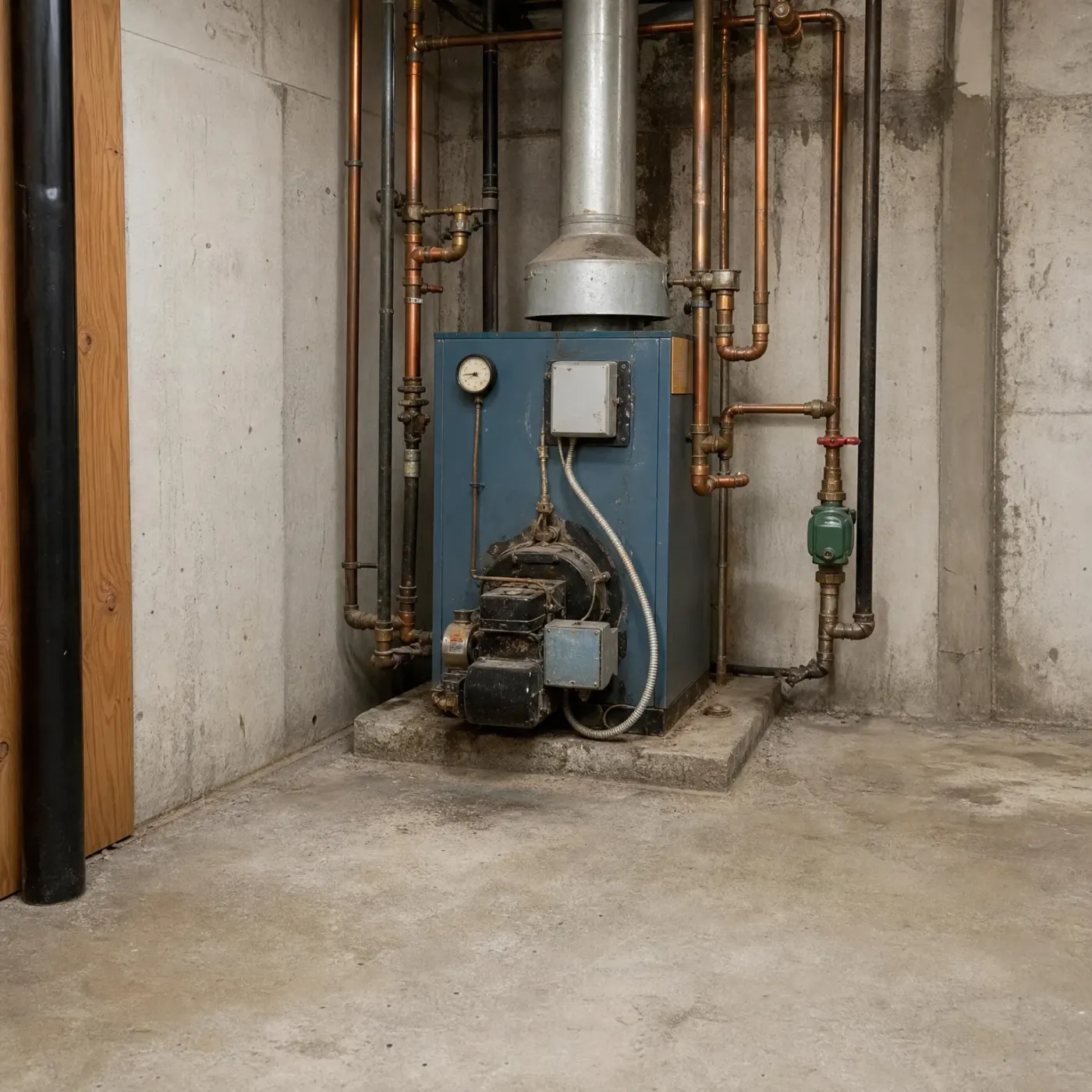
A blue boiler on a raised concrete pad in a basement corner, with copper and steel pipes, a gauge cluster, an expansion tank, and a metal flue running up the bare concrete walls.
Before you get your boiler repair
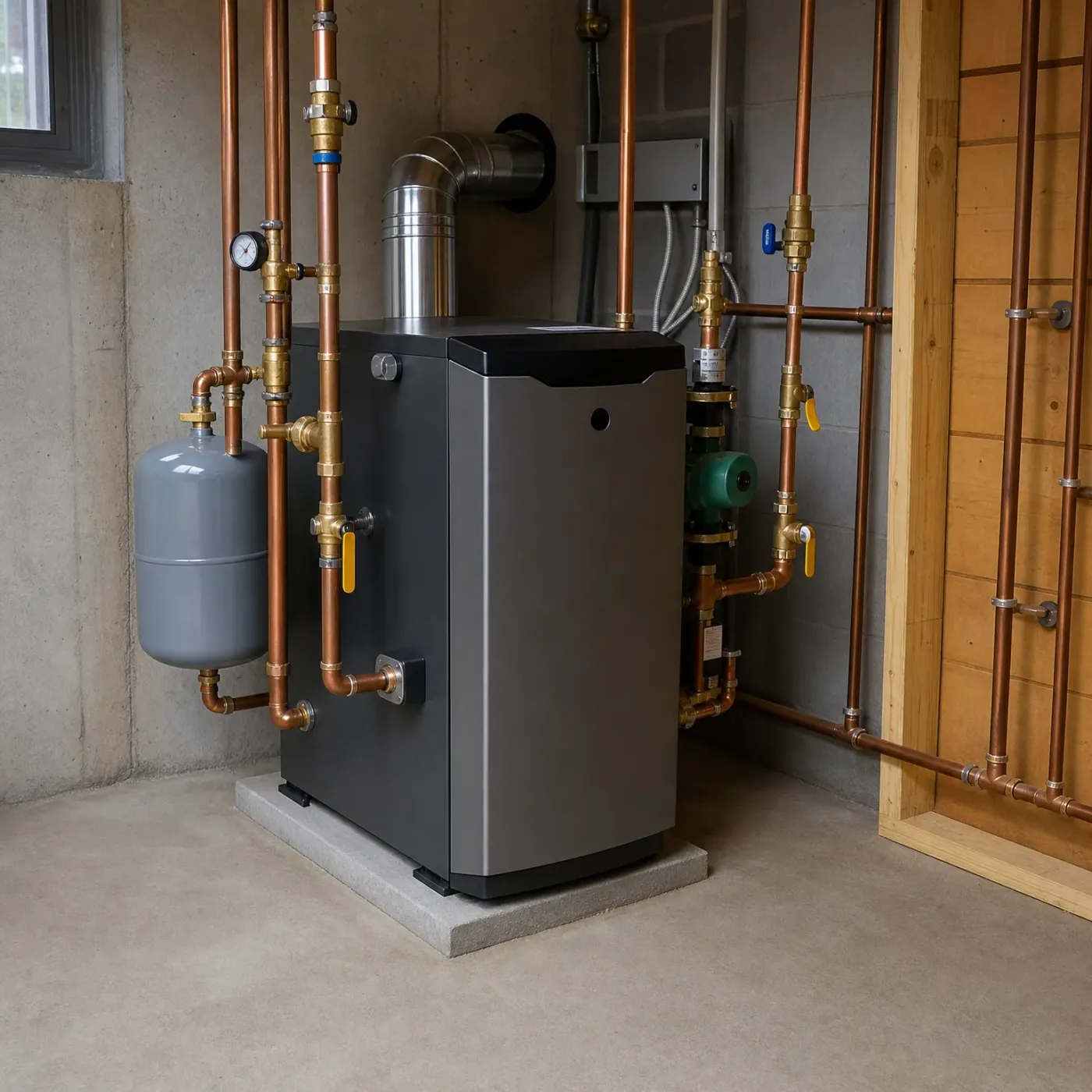
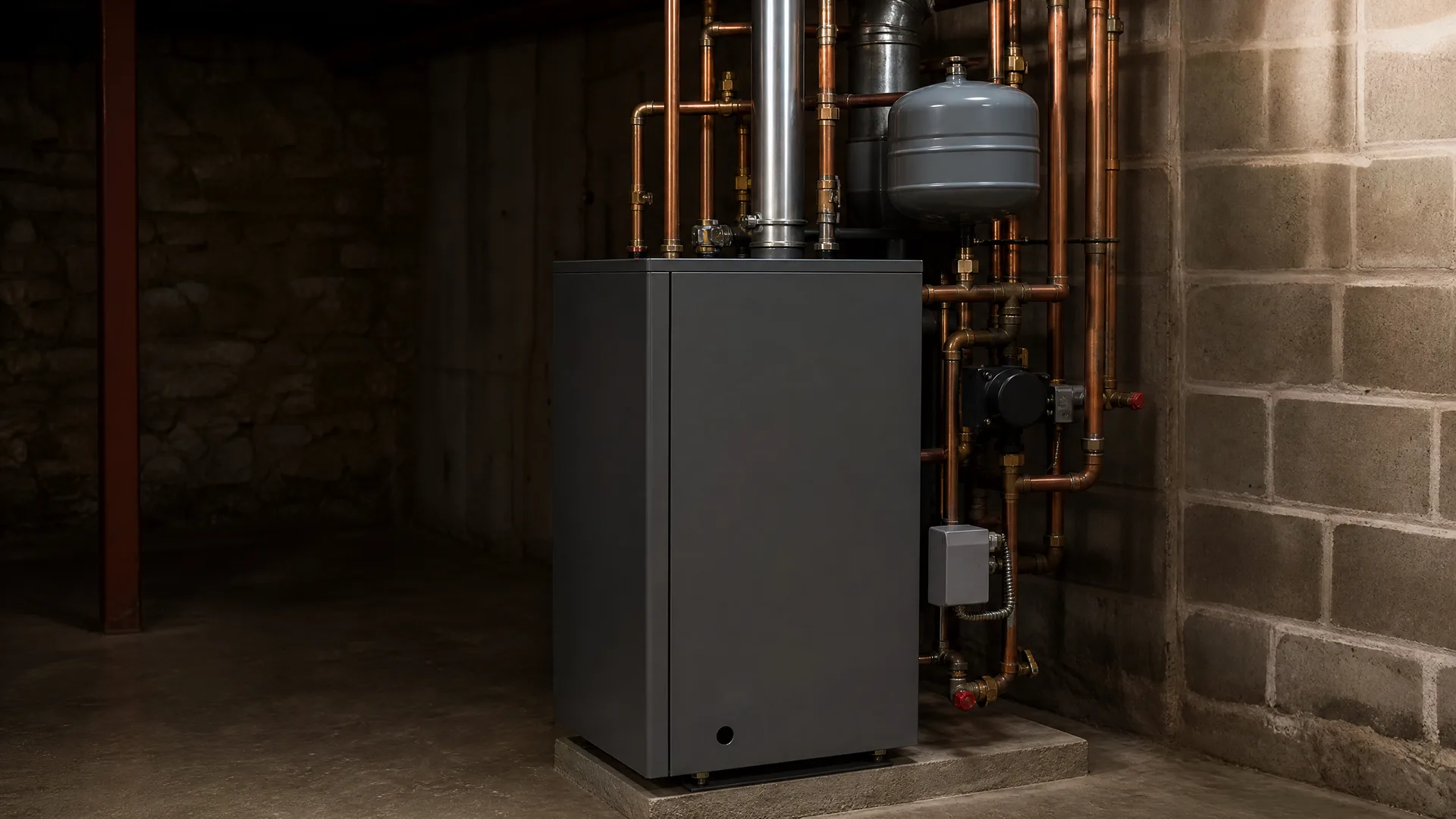
A dark gray floor-standing boiler on a concrete pad in a basement, surrounded by copper piping, brass valves, a gray expansion tank, a circulator pump, and a metal flue pipe against concrete block walls.
After you get your boiler repair
A gray boiler unit on a concrete pad in a basement corner, connected to copper piping, circulator pumps, and a ceiling-mounted expansion tank against bare concrete walls.

A boiler running the way it should

The burner lights, the pumps push water through the copper lines, and the pressure gauge holds steady. No smell of gas, no soot at the flue, no pilot to relight. Heat moves through the house and the boiler asks for nothing.

A blue oil-fired boiler with a pressure gauge, burner unit and metal flue sits on a concrete pad in a basement corner, surrounded by copper and black pipes against bare concrete walls.

A boiler with a pilot that won't hold

The burner sits cold and the pressure gauge is the only thing telling you anything is still working. A corroded thermocouple, a draft at the pilot assembly, or a failing gas valve can all leave it like this, and an older unit like this one is more likely to need a part replaced than adjusted.

A woman stands in the open front doorway of a single-story house with a dark hipped roof and light siding, while a man in a navy jacket and cap is seen from behind in the foreground on the paved walkway.

A pilot that won't hold is a fixable thing

A dead pilot light almost always traces back to one worn part: the thermocouple, the pilot orifice, or the gas valve. None of those are a mystery to someone who works on boilers all winter in St. Louis County. They know which part fails first on a boiler your age, and they carry the part on the truck instead of guessing twice.

Once you request a repair, you get matched with one licensed local contractor, not a handful of companies calling you back at once. That contractor knows the cast iron radiators and old gas valves common to houses around Florissant, and they'll reach out to get your heat going again before another cold night sets in.

A shallow dark wooden bowl and a stack of books rest on a wooden table in front of a beige sofa with linen and green cushions, with a tall ceramic vase of thin branches beside a window in the background.
A dark gray boiler unit on a concrete pad in a basement, connected to copper piping, a gray expansion tank, a circulator pump and a metal flue, beside a concrete block wall and stone wall.

Find a boiler repair pro in St. Louis County

Step 1 of 3: Equipment