Tell us about the job
Takes about a minute. No obligation.
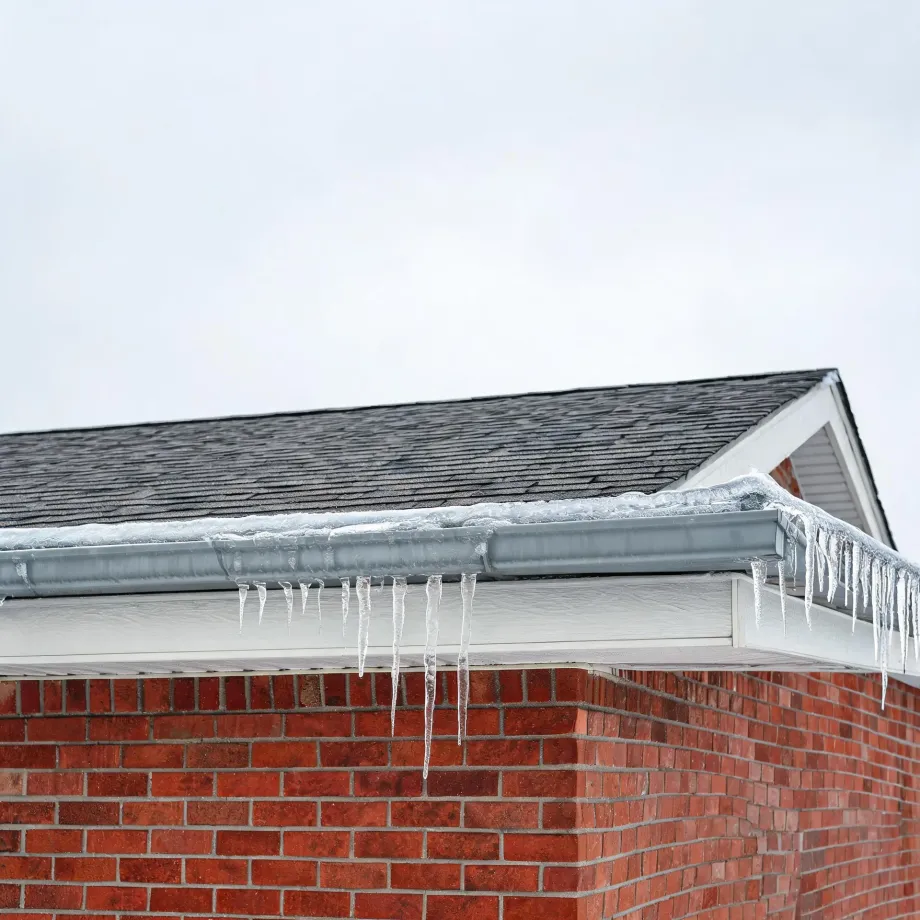
A boiler repair call in Dade County starts with the parts that have done the most work. Homes in Dade County, MO run heat about seven months a year, from October through April. Burner assemblies and heat exchangers cycle every time the system calls for heat, and a season that long accumulates stress on those components in ways that show up as cracked sections, fouled burners, or ignition failures. A contractor will check combustion integrity and the ignition system first, because that is where the wear lands. Sediment in the heat exchanger is common too, and it quietly reduces output before anything trips a fault code.
Boilers in a house that old have rarely been the only system to run through it. Half the homes in Dade County, Missouri were built in 1972 or earlier (2020-2024 ACS 5-year). Successive owners swap equipment, reroute lines, and patch distribution runs, and each change leaves the next contractor something to interpret rather than a clean starting point. When a boiler repair opens up, what decides the scope is not the boiler's nameplate but the condition of whatever connects it to the rest of the house, the piping runs, the zone valves, the expansion tank, all of which carry the history of every previous repair.
The Parts of a Boiler a Contractor Checks First
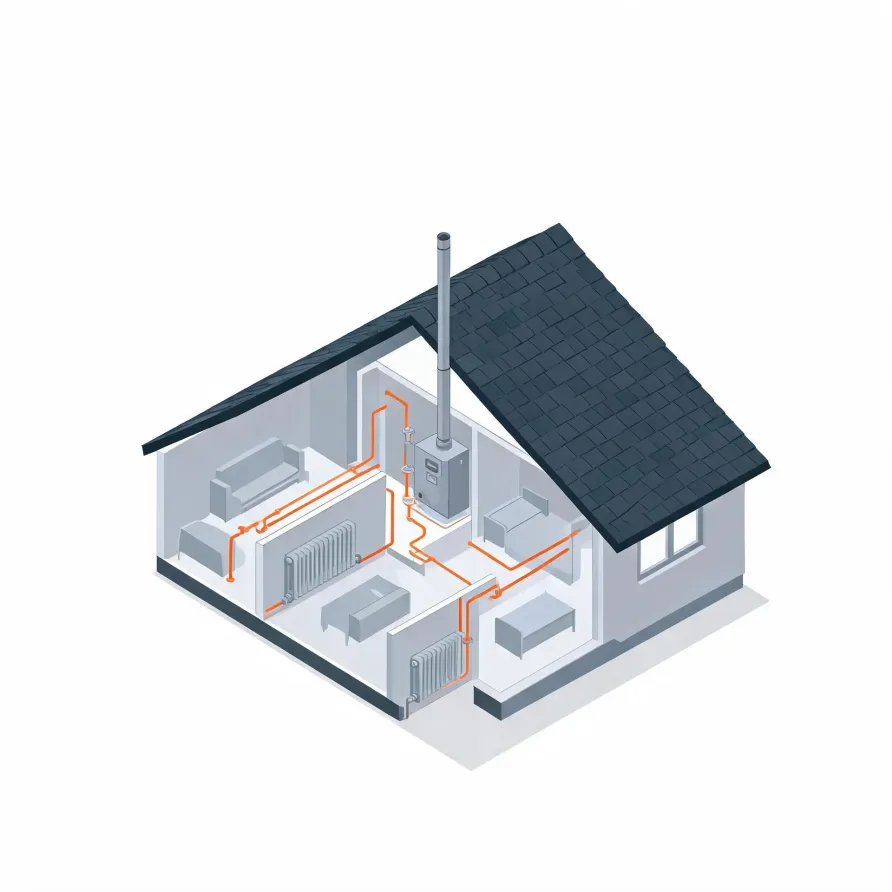
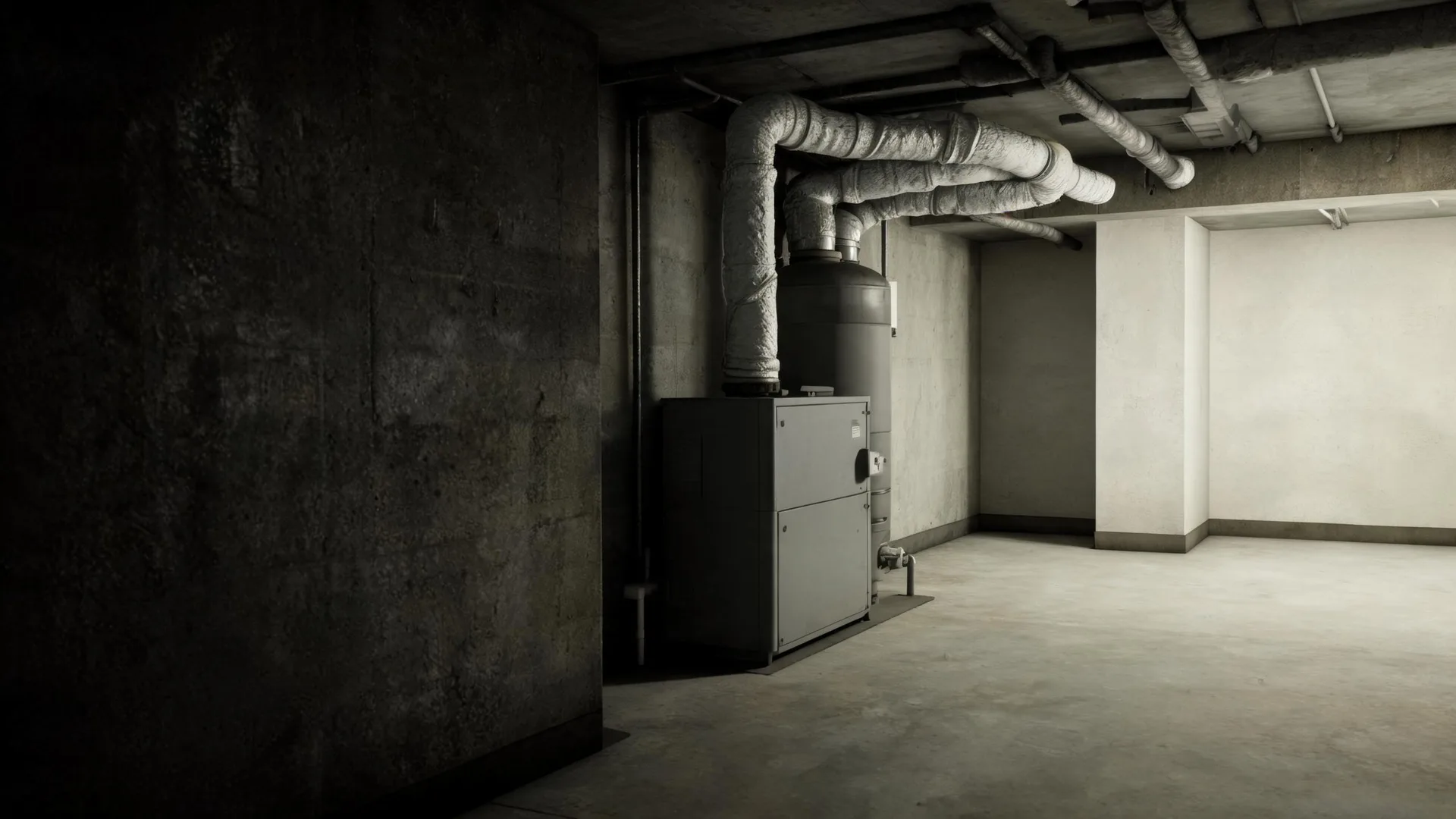
The boiler itself sits in the basement or mechanical room and is the piece a contractor goes to first. It heats water and pushes it through the system. When heat stops reaching a room or a zone runs cold, the problem often traces back here, to the burner assembly, the heat exchanger, or the controls that tell the unit when to fire.
Pipes carry hot water from the boiler to radiators or baseboards in each room, and back again once the water has given up its heat. The circulator pump moves that water along, and the expansion tank sits nearby to absorb pressure changes as the water heats and cools. A fault in the pump or a waterlogged expansion tank shows up quickly as uneven heat or pressure problems.
The drawing shows a general layout of these components, and a licensed contractor determines what applies to the specific equipment and configuration in your home.
Find a contractor in Dade CountyDade County by the numbers
83 severe weather events were recorded in Dade County, Missouri between 2015 and 2024.
NOAA National Centers for Environmental Information, Storm Events Database, bulk CSV export, events 2015-01-01 through 2024-12-31.Half the homes in Dade County, Missouri were built in 1972 or earlier (2020-2024 ACS 5-year).
U.S. Census Bureau, 2020-2024 American Community Survey 5-Year EstimatesDade County, Missouri holds 3,774 housing units (2020-2024 ACS 5-year).
U.S. Census Bureau, 2020-2024 American Community Survey 5-Year EstimatesOwners occupy 77.0% of the occupied homes in Dade County, Missouri (2020-2024 ACS 5-year).
U.S. Census Bureau, 2020-2024 American Community Survey 5-Year EstimatesSevere Weather Events in Dade County
Boilers in Dade County work against whatever the local climate throws at them, and that workload is shaped by how hard the weather runs year to year. Repair demand follows that pattern, which makes the weather record a practical backdrop for understanding what heating equipment here is up against.
83 severe weather events, 2015–2024. Source: NOAA National Centers for Environmental Information, Storm Events Database.