Tell us about the job
Takes about a minute. No obligation.
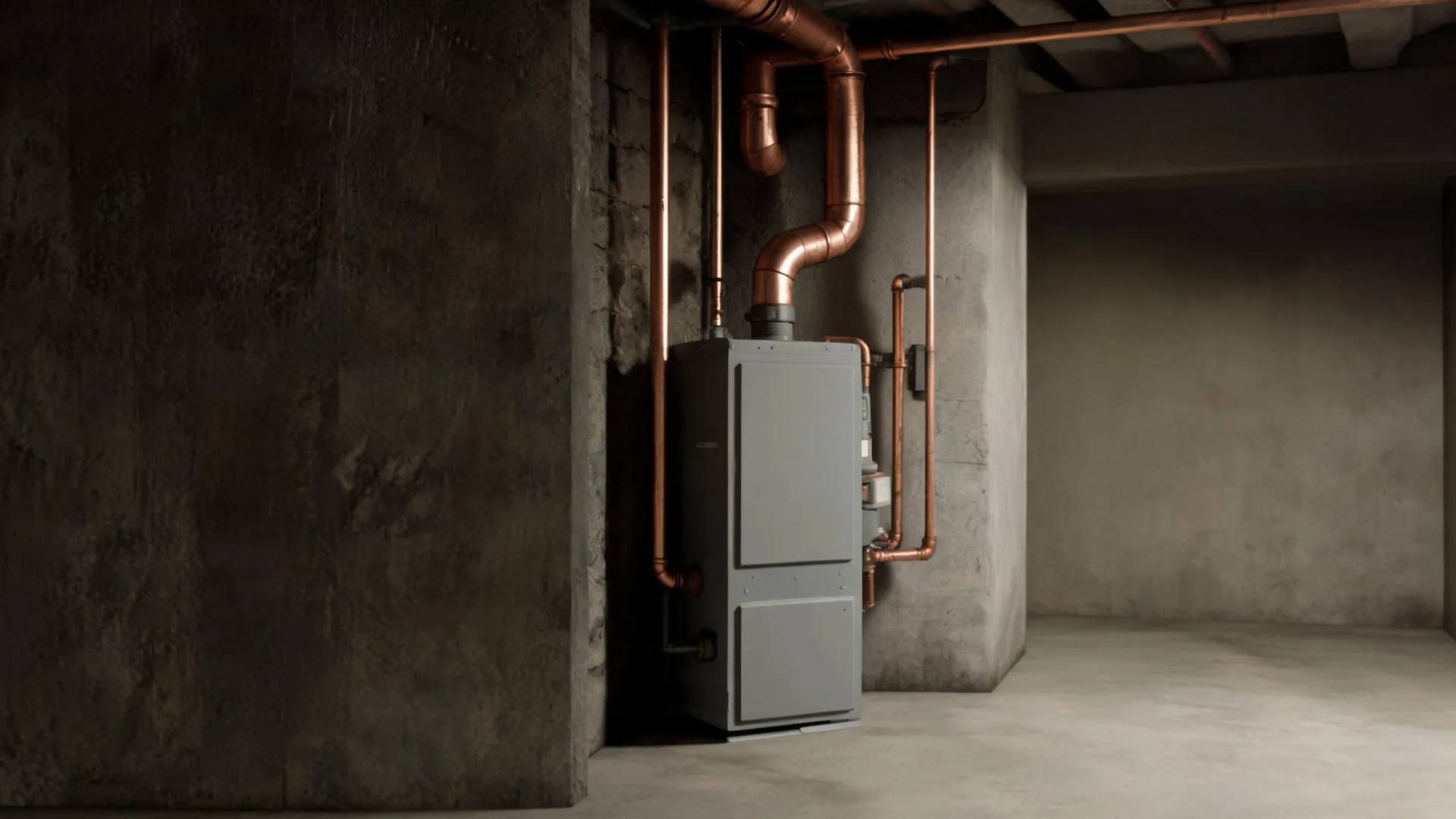
A boiler in this house spends most of its working life firing and shutting down repeatedly across a long stretch of cold months. Homes in Marion County, MO run heat about seven months a year, from October through April. The burner, the heat exchanger, and the ignition assembly absorb every one of those cycles, and by the time a homeowner calls for a repair, those parts have already been worked hard. A contractor here checks ignition and burner condition early in the diagnosis, because that is where the load lands first and where failure is likeliest to have started.
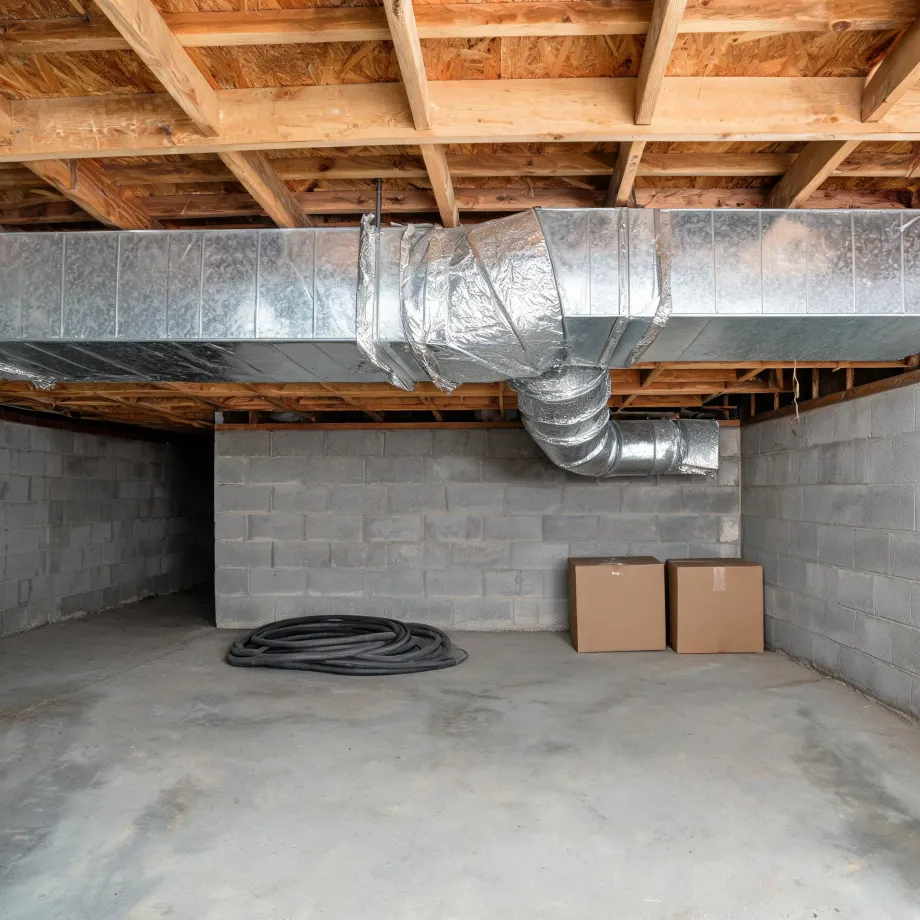
Boilers in stock this old carry a layered service history: replaced valves sitting alongside original pipe, repaired sections next to castings that have never been touched. Half the homes in Marion County, Missouri were built in 1971 or earlier (2020-2024 ACS 5-year). That gap between when these houses were framed and what runs in them now means a contractor opening a boiler here is working through several rounds of prior repair before reaching a conclusion about the current fault. Corrosion patterns, sediment in the heat exchanger, and the condition of zone controls all bear on what the actual repair scope turns out to be.
The Parts of a Boiler a Contractor Checks First
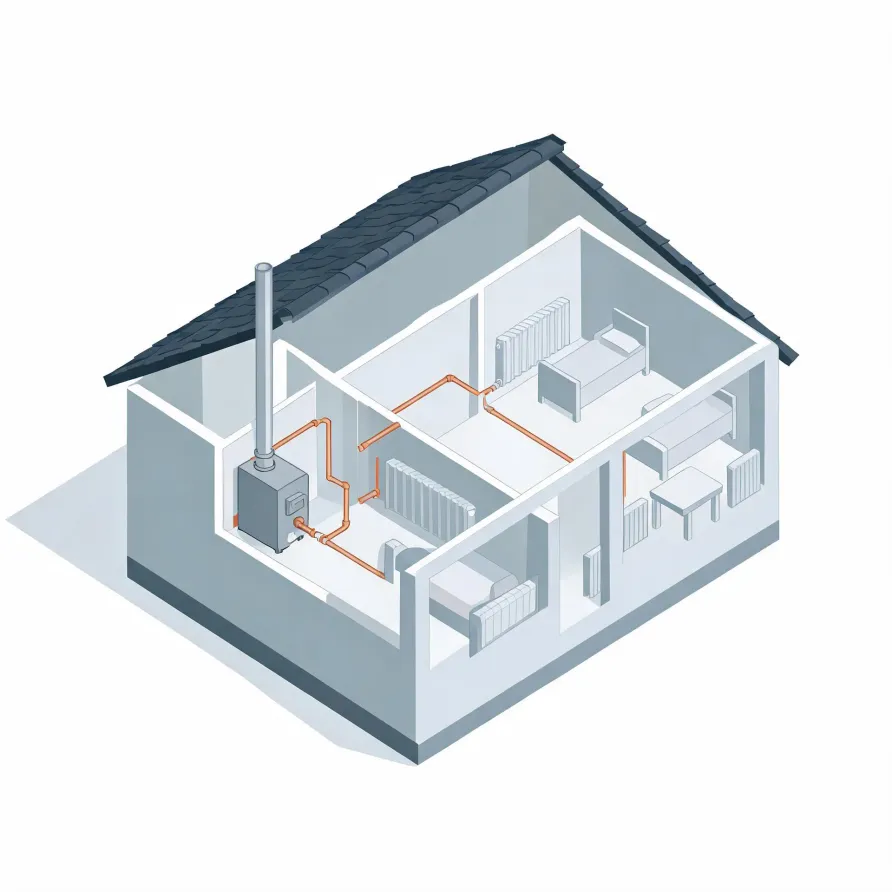
The boiler itself sits in the basement or mechanical room and is the piece a contractor looks at first. Inside it, the heat exchanger and burner assembly are the usual suspects when heat output drops or stops entirely. The pressure vessel, relief valve, and aquastat all live on or near the unit and each one can be the source of a failure.
From the boiler, supply pipes carry hot water to radiators or baseboard units throughout the house, and return pipes bring the cooled water back. The circulator pump moves water through that loop and is a common repair point. An expansion tank, typically mounted close to the boiler, absorbs pressure changes as water heats and cools.
The drawing shows the general layout of a boiler system, and a licensed contractor determines which components and conditions apply to your specific home.
Find a contractor in Marion CountyMarion County, by the numbers
66 severe weather events were recorded in Marion County, Missouri between 2015 and 2024.
NOAA National Centers for Environmental Information, Storm Events Database, bulk CSV export, events 2015-01-01 through 2024-12-31.Half the homes in Marion County, Missouri were built in 1971 or earlier (2020-2024 ACS 5-year).
U.S. Census Bureau, 2020-2024 American Community Survey 5-Year EstimatesMarion County, Missouri holds 12,917 housing units (2020-2024 ACS 5-year).
U.S. Census Bureau, 2020-2024 American Community Survey 5-Year EstimatesOwners occupy 69.3% of the occupied homes in Marion County, Missouri (2020-2024 ACS 5-year).
U.S. Census Bureau, 2020-2024 American Community Survey 5-Year EstimatesSevere Weather Events in Marion County
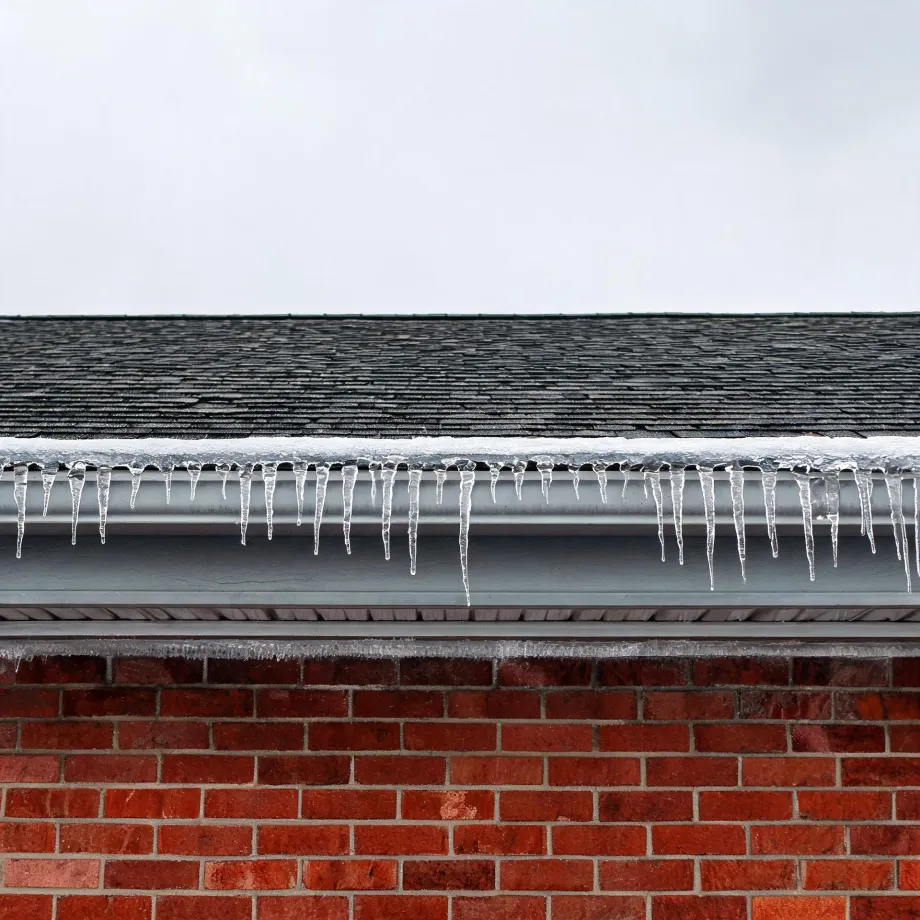
Boilers work hardest when the weather outside demands the most from them. How often Marion County sees severe weather shapes how hard local boilers run and how quickly that workload shows up as wear.
66 severe weather events, 2015–2024. Source: NOAA National Centers for Environmental Information, Storm Events Database.