Tell us about the job
Takes about a minute. No obligation.
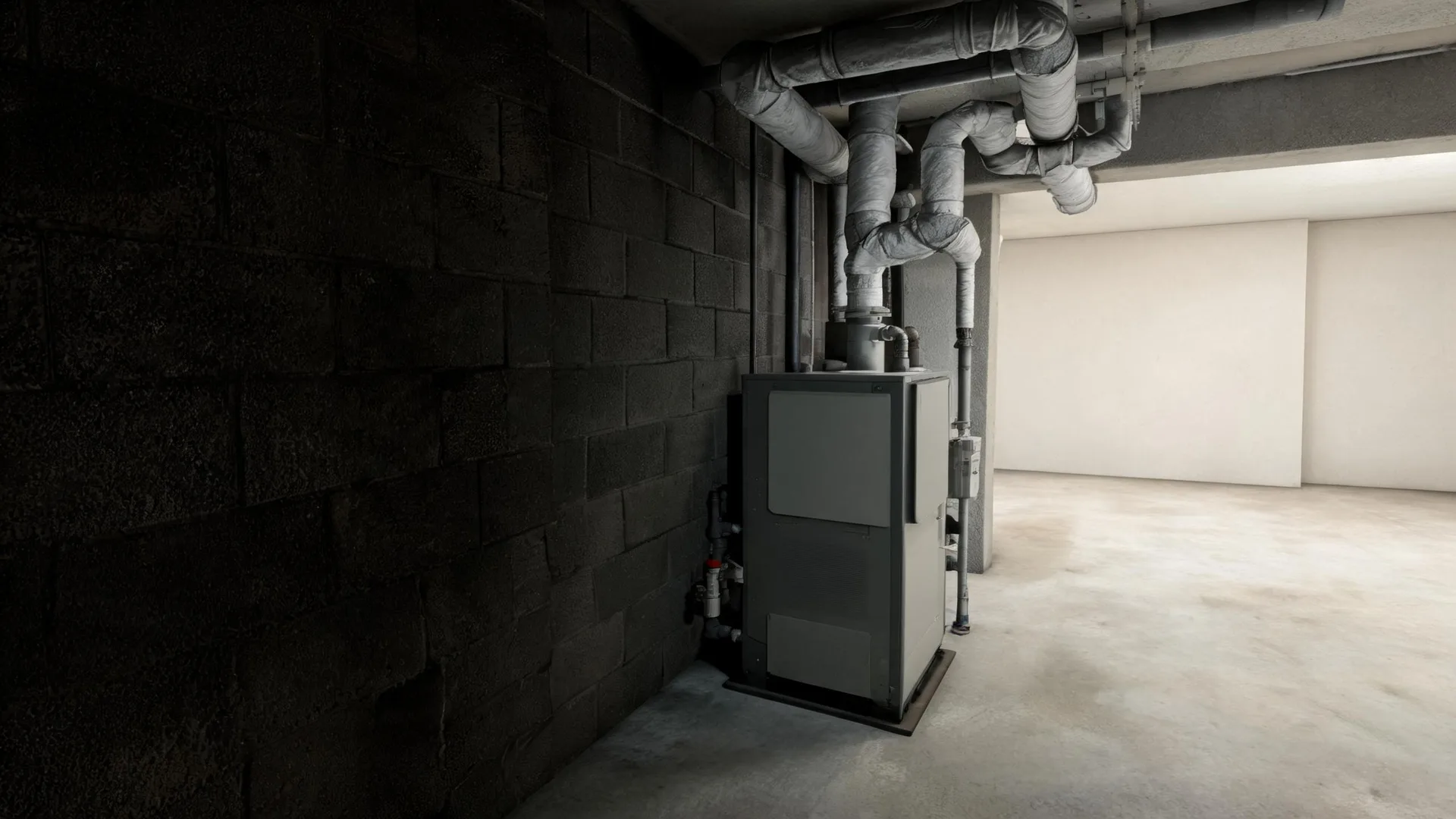
A boiler working a repair call in Camden County has already been through a long run of firing cycles by the time anything fails. Homes in Camden County, MO run heat about seven months a year, from October through April. The burner and ignition system take the first wear, cycling on and off through cold nights across those months, and a contractor checking a no-heat call will find those parts show their age plainly. A heat exchanger that looks suspect on arrival is often trailing a failed igniter or a dirty burner assembly that drove it hard. The zone valves and circulator follow, because neither rests until the thermostat says otherwise.
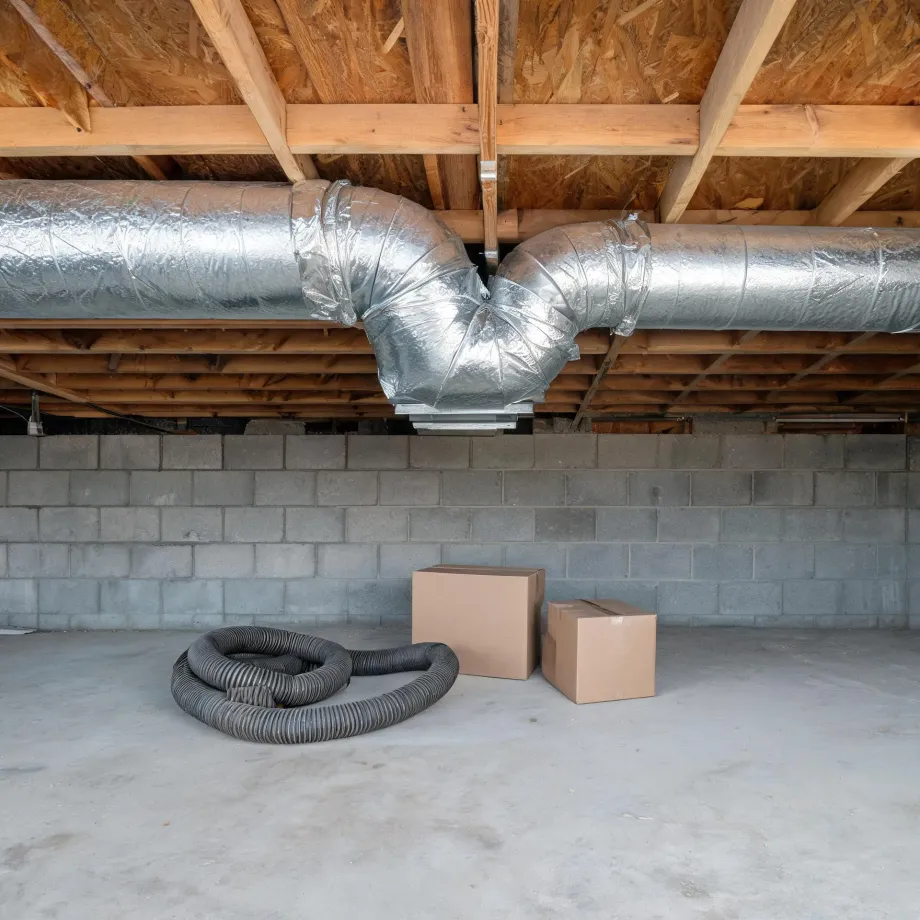
Boilers in houses this old tend to carry the full record of every workaround a previous owner or contractor made: reseated valves, swapped sections, controls that were never quite the right fit. Half the homes in Camden County, Missouri were built in 1988 or earlier (2020-2024 ACS 5-year). A contractor opening a boiler in stock like this finds conditions that vary sharply from house to house, and the parts a given system takes are not always in current production. What that means for the repair is a different answer each time, decided by what is physically inside the unit once it is open.
The Parts of a Boiler a Contractor Checks First
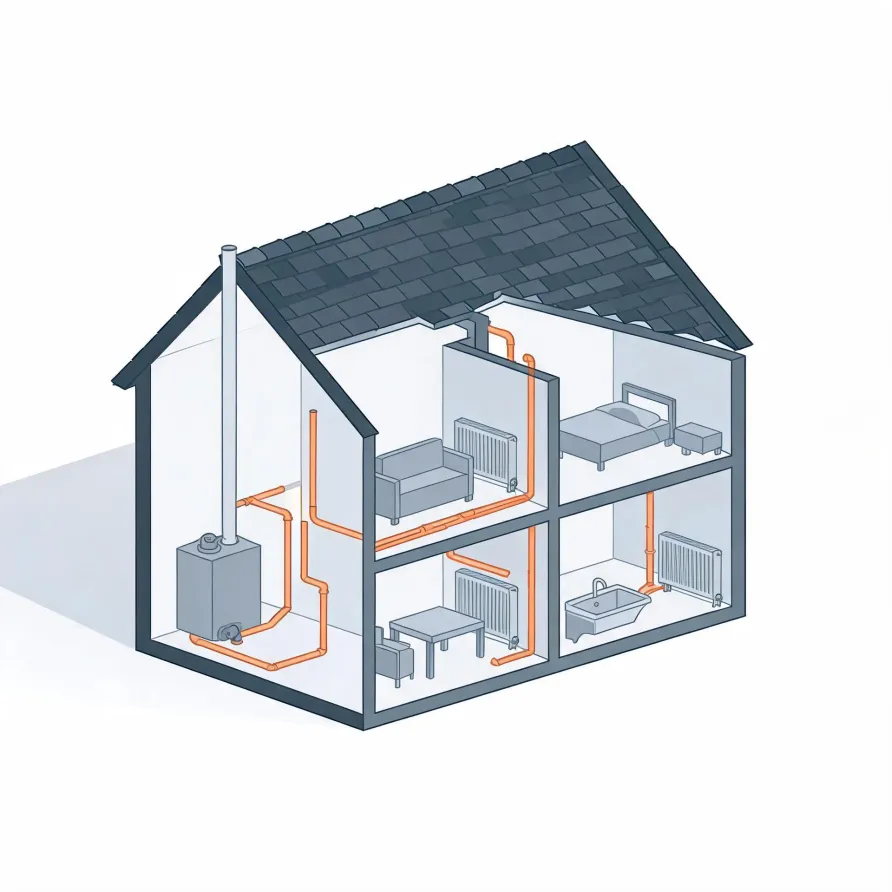
The boiler itself sits in the basement or a utility room and is the piece a contractor goes to first. It heats water and pushes it through the system. When pressure drops unexpectedly, the unit cycles but produces no heat, or the burner fails to ignite, the boiler vessel, burner assembly, and heat exchanger are where the diagnosis starts.
Radiators or baseboard convectors sit throughout the living space and release heat into each room. The circulator pump, expansion tank, and zone valves live close to the boiler and control how hot water moves through the pipes. A failed pump or a waterlogged expansion tank shows up as uneven heat room to room.
The drawing shows a representative layout, and a licensed contractor determines which components apply to the specific system in your home.
Find a contractor in Camden CountyCamden County, by the numbers
142 severe weather events were recorded in Camden County, Missouri between 2015 and 2024.
NOAA National Centers for Environmental Information, Storm Events Database, bulk CSV export, events 2015-01-01 through 2024-12-31.Half the homes in Camden County, Missouri were built in 1988 or earlier (2020-2024 ACS 5-year).
U.S. Census Bureau, 2020-2024 American Community Survey 5-Year EstimatesCamden County, Missouri holds 40,072 housing units (2020-2024 ACS 5-year).
U.S. Census Bureau, 2020-2024 American Community Survey 5-Year EstimatesOwners occupy 82.5% of the occupied homes in Camden County, Missouri (2020-2024 ACS 5-year).
U.S. Census Bureau, 2020-2024 American Community Survey 5-Year EstimatesSevere Weather Events in Camden County
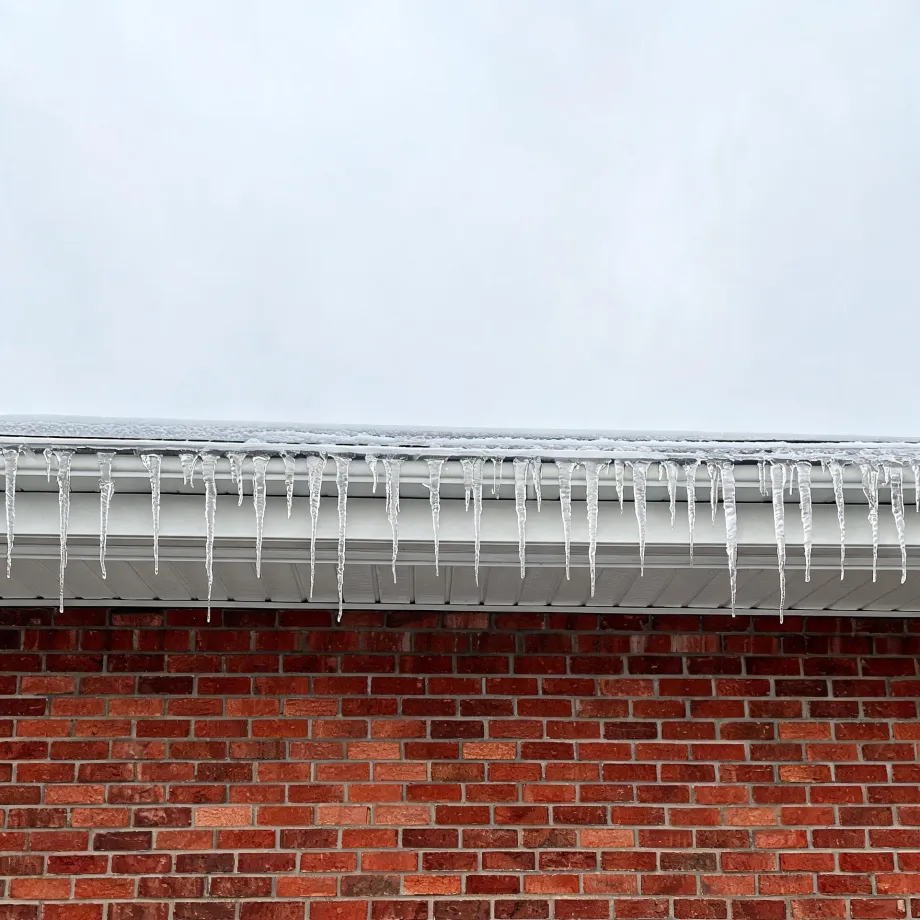
Hard weather puts real hours on a boiler. Each stress cycle from a cold snap or a power surge pushes components closer to failure, and that pattern is specific to what this part of Missouri actually sees.
142 severe weather events, 2015–2024. Source: NOAA National Centers for Environmental Information, Storm Events Database.