Tell us about the job
Takes about a minute. No obligation.
A boiler repair call here starts with the burner assembly and the ignition system, because those are the parts that have been cycling since October. Homes in Cass County, MO run heat about seven months a year, from October through April. Every firing and shutdown puts mechanical stress on the igniter, the burner orifices, and the heat exchanger seals. By the time a homeowner calls, those components have logged a full season's worth of starts. A contractor who skips a close inspection of the ignition system and heat exchanger on a Cass County boiler is working past the most likely failure points.
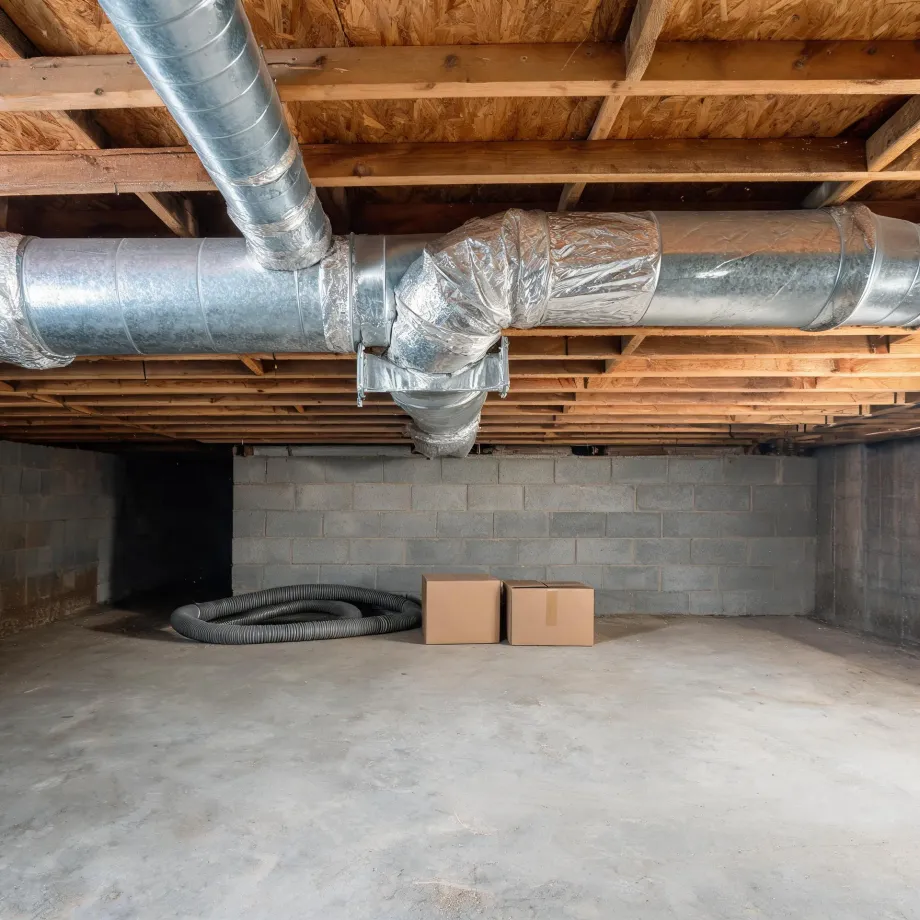
Boilers in houses this old often outlast the catalogs they were built for. Half the homes in Cass County, Missouri were built in 1992 or earlier (2020-2024 ACS 5-year). A contractor opening a failed boiler here finds what the unit actually is inside, then determines whether the components it requires are still in production or have been discontinued and substituted with non-original parts over the years. That distinction drives the repair scope directly: a system with available parts gets a straightforward fix, while one running on discontinued components may require fabrication, sourcing from salvage, or a redesigned repair path entirely.
The Parts of a Boiler a Contractor Checks First
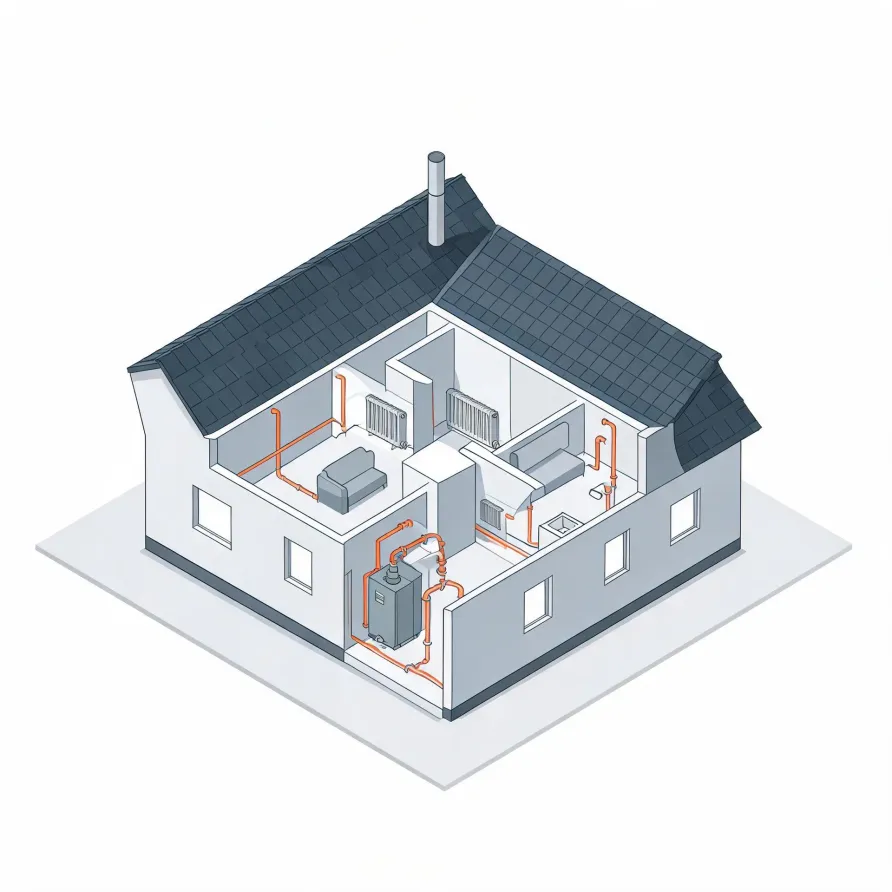
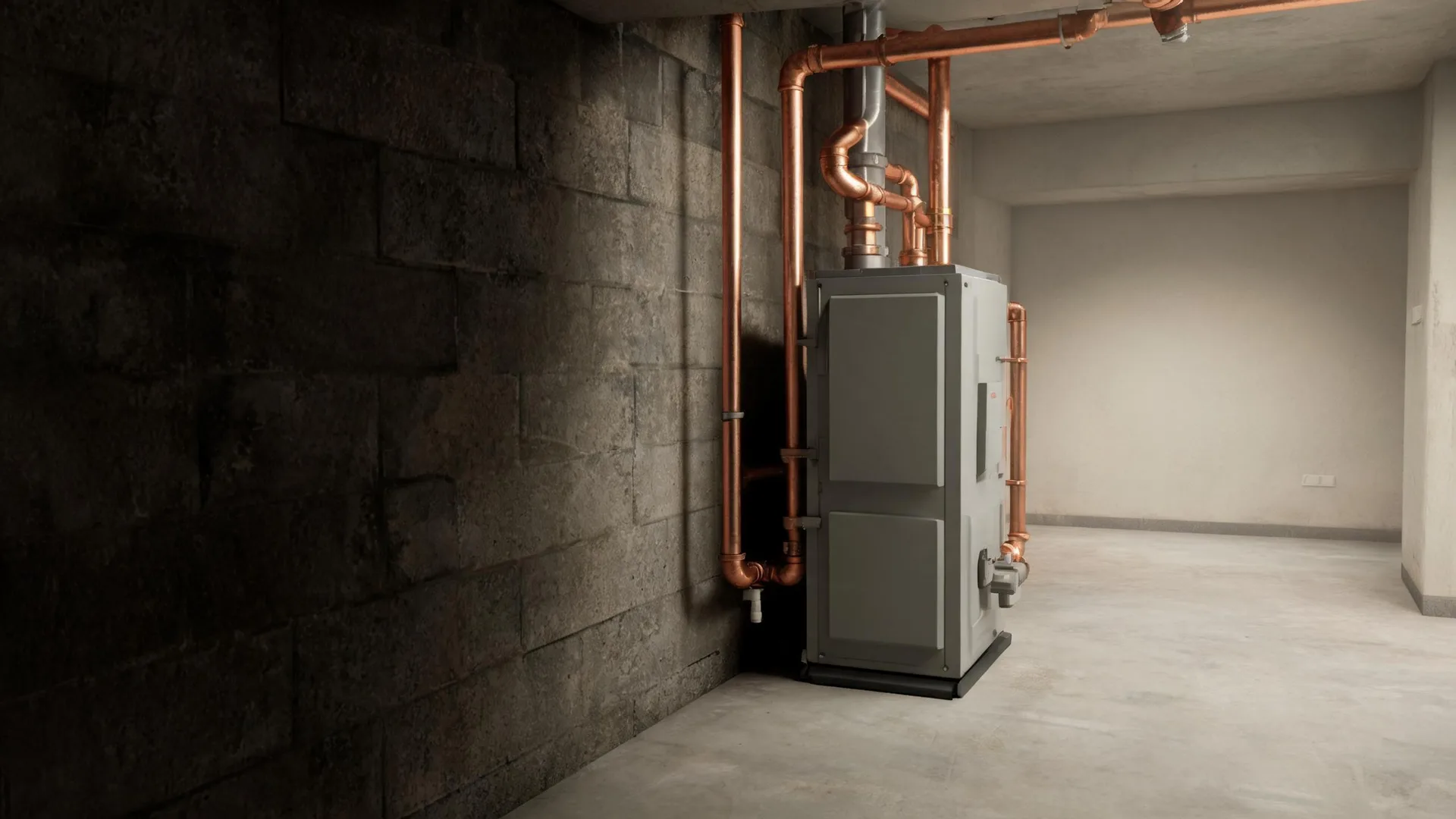
The boiler itself sits in the basement or a mechanical room and is the heart of the system. It heats water and pushes it out to the rest of the house. When a home loses heat or pressure drops unexpectedly, the boiler's burner assembly, heat exchanger, and pressure relief valve are where a contractor looks first.
Radiators or baseboard units sit in the living spaces and release heat into each room. The circulator pump, usually mounted close to the boiler, moves hot water through the pipes that connect everything. A faulty pump or a radiator that stays cold while others warm up tells a contractor a lot about where the problem lives.
The drawing shows a typical layout, and a licensed contractor determines what applies to your specific system and home.
Find a contractor in Cass CountyCass County, by the numbers
178 severe weather events were recorded in Cass County, Missouri between 2015 and 2024.
NOAA National Centers for Environmental Information, Storm Events Database, bulk CSV export, events 2015-01-01 through 2024-12-31.Half the homes in Cass County, Missouri were built in 1992 or earlier (2020-2024 ACS 5-year).
U.S. Census Bureau, 2020-2024 American Community Survey 5-Year EstimatesCass County, Missouri holds 45,834 housing units (2020-2024 ACS 5-year).
U.S. Census Bureau, 2020-2024 American Community Survey 5-Year EstimatesOwners occupy 75.6% of the occupied homes in Cass County, Missouri (2020-2024 ACS 5-year).
U.S. Census Bureau, 2020-2024 American Community Survey 5-Year EstimatesWeather Stress on HVAC Equipment in Cass County
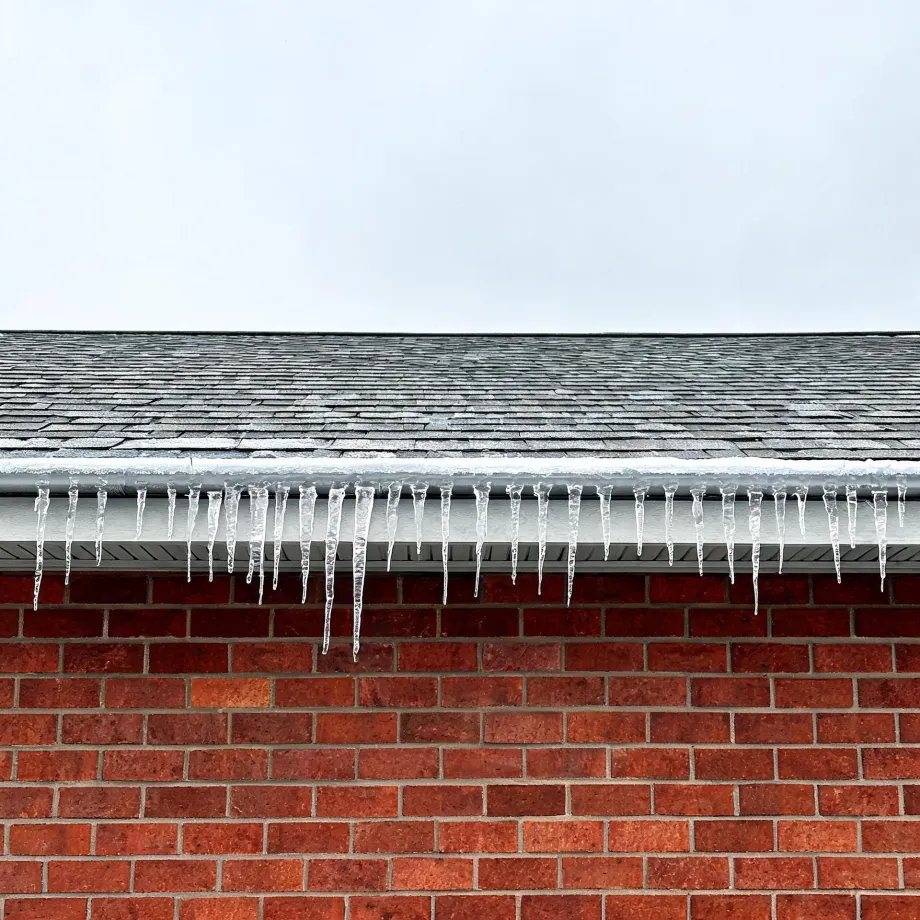
Boilers work harder when the weather outside pushes harder, and what that looks like in Cass County shapes how much strain local systems absorb over time. That wear is what repair calls are made of.
178 severe weather events, 2015–2024. Source: NOAA National Centers for Environmental Information, Storm Events Database.