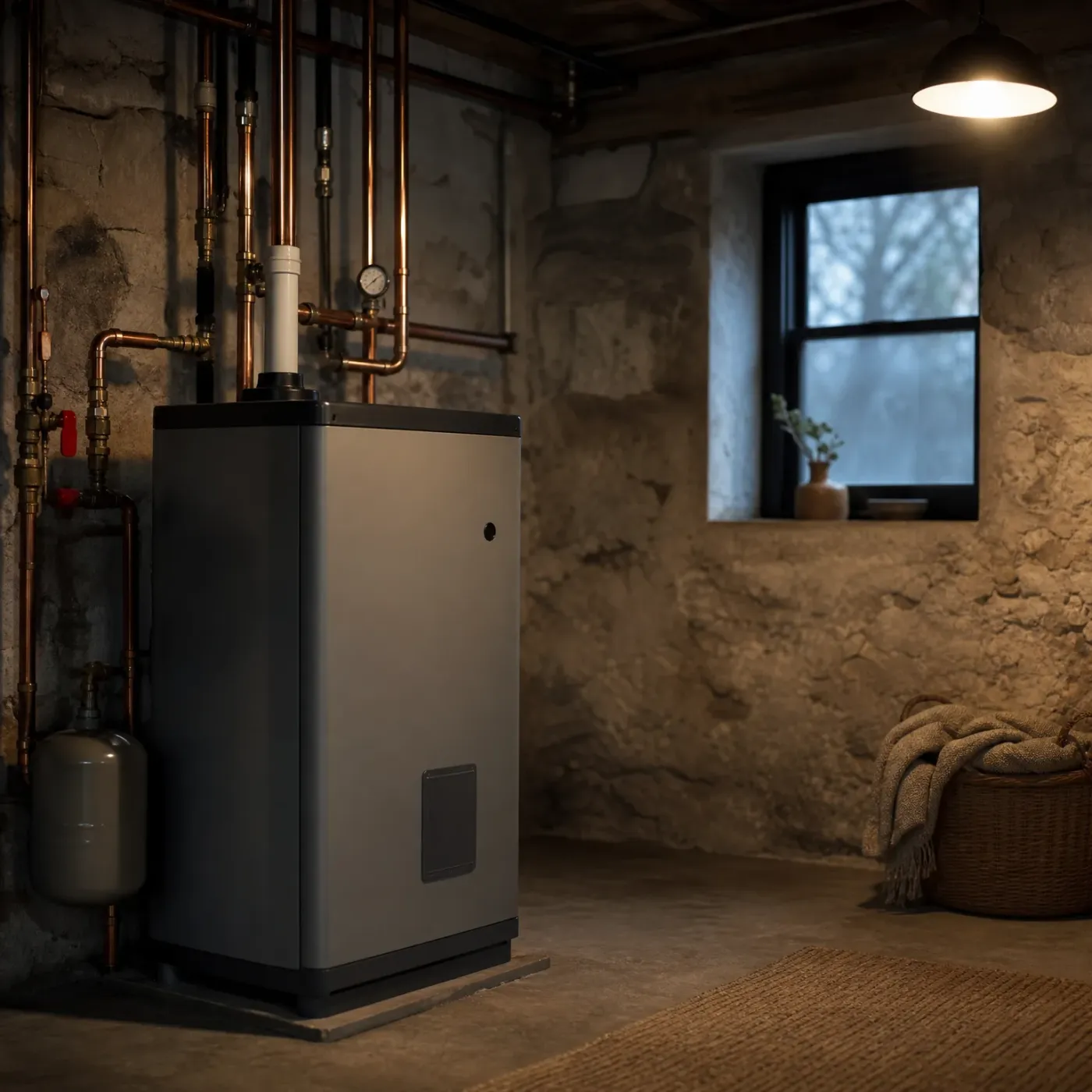




A gray floor-standing boiler with copper pipework, valves and a pressure gauge in a stone-walled basement, beside a small window and a wicker basket with a blanket.

Get the right pro for your boiler

How to bleed radiators before a Missouri winter

Bleeding your radiators gets rid of the air trapped inside them, so heat can fill the whole radiator again instead of just the bottom half. Below is how to do it before Missouri winter sets in, and what to check if yours still run cold after. If you'd rather have someone look at the boiler itself, you can get matched with a contractor who handles that.

Get my match

Bleeding a radiator means opening the small valve at its top to let trapped air escape, so water can fill the whole radiator instead of leaving the top half cold. Air gets in over the months the system sits idle through a Missouri summer, and it collects at the highest point of each radiator, which is why the top stays cool while the bottom gets hot. Do this before the boiler has to run hard, so each radiator heats evenly from the first cold night on. You need a radiator key or flathead screwdriver, depending on the valve, and a cloth to catch the water that follows the air out. Go radiator by radiator. One that's cold at the top or making a gurgling sound needs it most. Skip this and the boiler works harder to heat rooms that never get warm, and the noise tends to get worse as winter goes on.

An older woman with gray hair in a cream knit sweater sits under a blanket on a sofa by a window, looking outside toward yellow-leaved trees, with a lamp, shelves and an armchair in the room behind her.
A gray-haired woman in a chunky knit sweater sits in an armchair with a blanket, looking out a window at yellow autumn foliage, with bookshelves and a potted plant behind her.
A gray-haired woman in a navy sweater sits in an armchair with a knit blanket beside a window, looking out at yellow autumn foliage, with a dining table and houseplant in the room behind her.
A gray-haired woman in a gray cowl-neck sweater sits in an armchair with a blanket, looking out a dark-framed window toward yellow autumn trees.

Why a cold top means air, not failure

A radiator that's cold on top and warm on the bottom almost always has air trapped at the top, not a broken part. Water carries the heat, and air rises above it inside the radiator, so it sits exactly where you feel the cold spot. This is why bleeding works: open the valve and the trapped air has somewhere to go, so water can take its place. If a radiator is cold all the way through, bleeding won't fix it. That points to a closed valve, a stuck pin, or a problem with flow into that radiator, and it's worth mentioning to a contractor rather than something to keep opening the bleed valve for.

What that trapped air costs you all winter

A boiler heats water and pushes it through the system to every radiator in the house. Air pockets don't just make one radiator run cold, they make the boiler work longer to get rooms up to temperature, since part of each radiator isn't giving off any heat at all. With gas heat and cheap power in Missouri, that extra runtime adds up over a full winter of use. Bleeding radiators before the cold sets in means the boiler isn't fighting trapped air from the first cold night through the last one in spring. It's a five-minute job per radiator, done once, that pays off every time the heat kicks on.

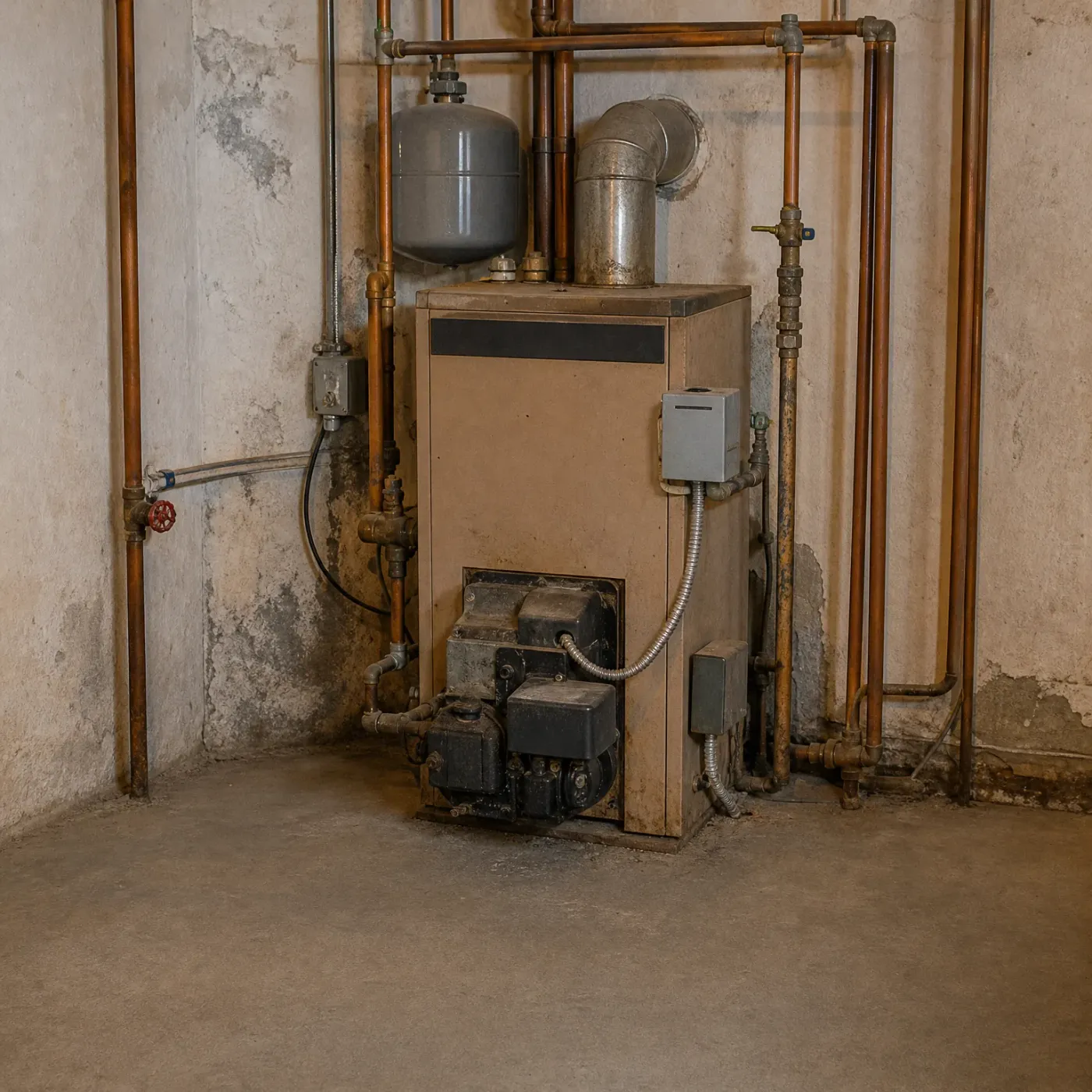
An older oil-fired boiler with a burner unit, flue pipe, expansion tank and copper piping stands in the corner of a concrete-floored basement with weathered plaster walls.
Before you get your boiler maintenance
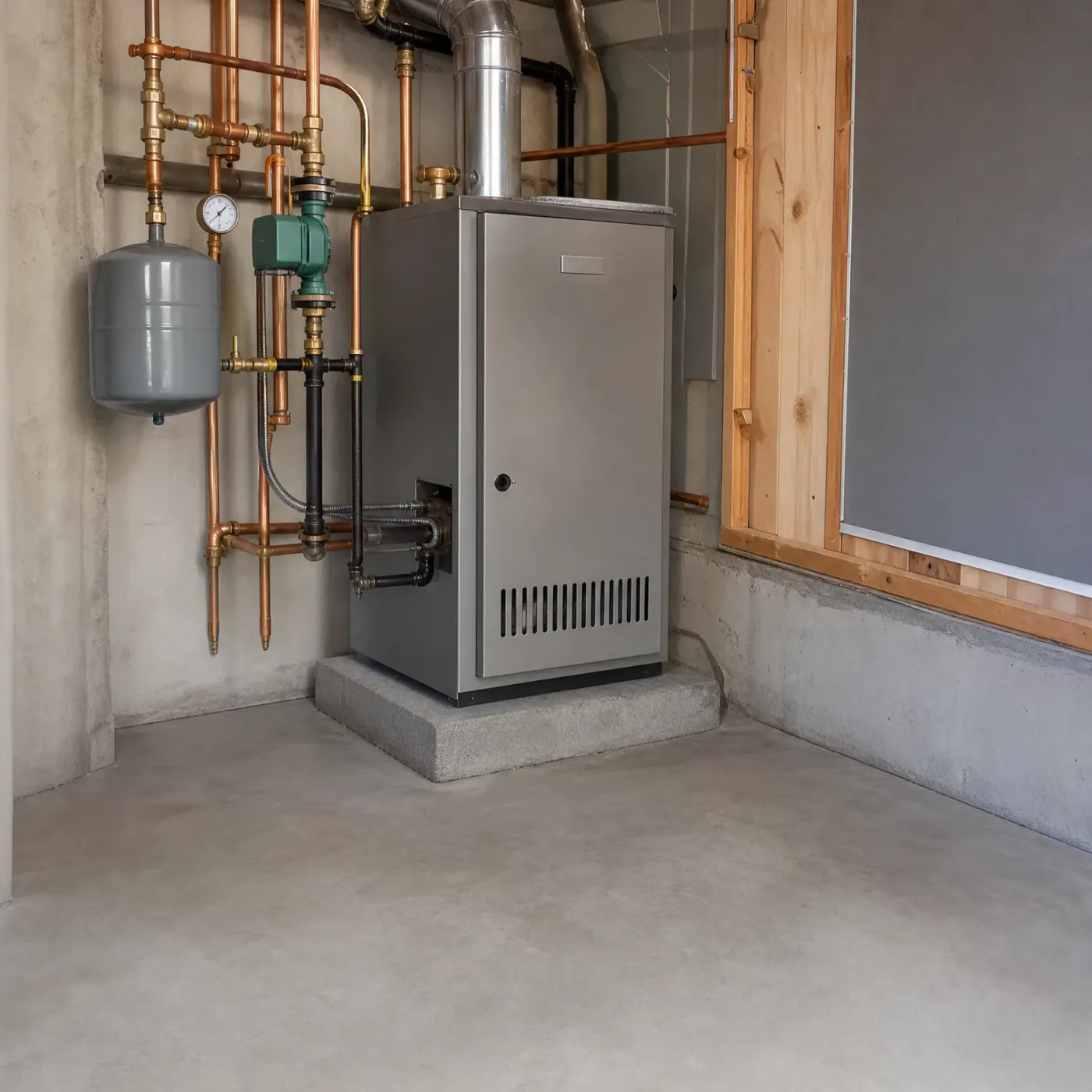
A gray boiler on a concrete pad in a basement corner, connected to copper and black pipes with a gauge, circulator pump, and gray expansion tank, beside a wood-framed wall.
After you get your boiler maintenance

A pro who works on boilers

Bleeding a radiator takes ten minutes and a key that costs a few dollars. But a boiler that's still losing pressure after you bleed it, or one where the same radiator needs bleeding again a few weeks later, is pointing at something a key won't fix. A slow leak, a failing valve, or a feed and expansion tank that isn't holding will keep letting air back into the system no matter how often you bleed it. That's worth catching before Missouri gets cold rather than during a stretch of single digits, when a boiler that can't keep pressure is a boiler that can't keep up. Getting it looked at now, while the weather is still mild, means it gets sorted on your schedule instead of in the middle of a cold snap. A contractor who services boilers regularly in this area can tell you in one visit whether what you're dealing with is normal air buildup or something that needs more than a key.

What you'll notice first

The radiator in the room you use most stays cold at the top no matter how long the boiler runs. You turn the thermostat up to compensate, and the room still doesn't feel right. Some households don't catch it until the first hard freeze, when the room that's always been fine suddenly isn't keeping up. The boiler is running longer to push the same heat through less radiator, and you're the one who feels the gap between what the thermostat says and what the room actually feels like.
What it costs you by January

A boiler working to heat through trapped air runs longer than it needs to, and that shows up on the gas bill before anyone thinks to check the radiators. Gas is the fuel most Missouri homes heat with, so a system running inefficiently for weeks adds up before the cold breaks. Beyond the bill, a boiler under that kind of strain for a whole winter is more likely to need attention partway through, at the point when a boiler tech is hardest to get on short notice.

Winter nights average 25°F statewide

On a 25°F night, a radiator that's only half heating has to make up the difference somewhere, and that's the boiler running longer to hold the room at temperature. Bleed it before that first cold snap and the whole radiator carries heat again, so the boiler isn't working around trapped air all winter.

NOAA nClimDiv 1991-2020 county normals weighted by homes

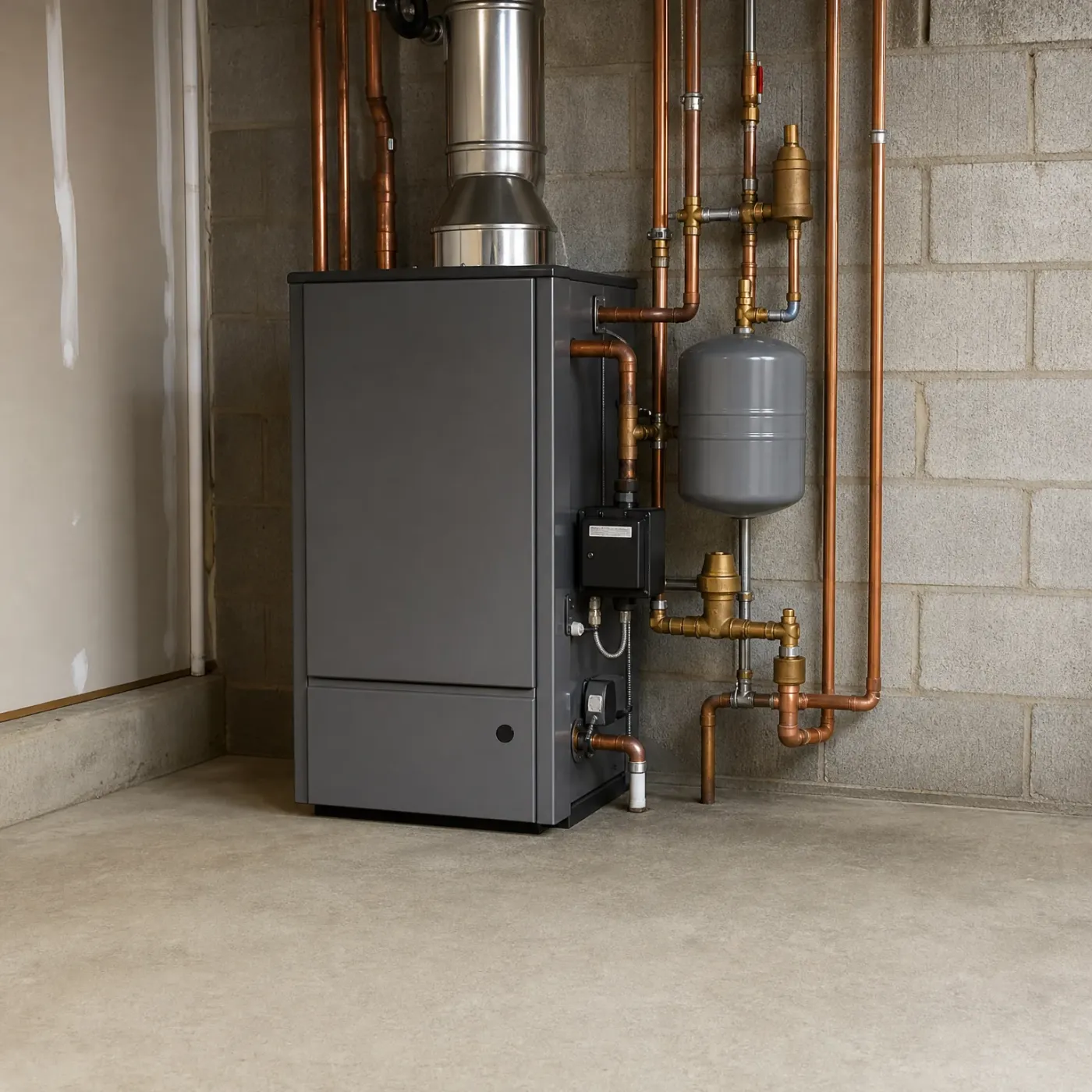
A gray floor-standing boiler with a metal flue stands against a concrete block wall, connected to copper pipes, brass valves and a gray expansion tank, on a bare concrete floor.

Boiler running right

This is what a bled system looks like. The pipes run full, the expansion tank holds steady, and every radiator on the loop heats top to bottom. The boiler cycles on, satisfies the thermostat, and shuts off, the way it's supposed to all winter.

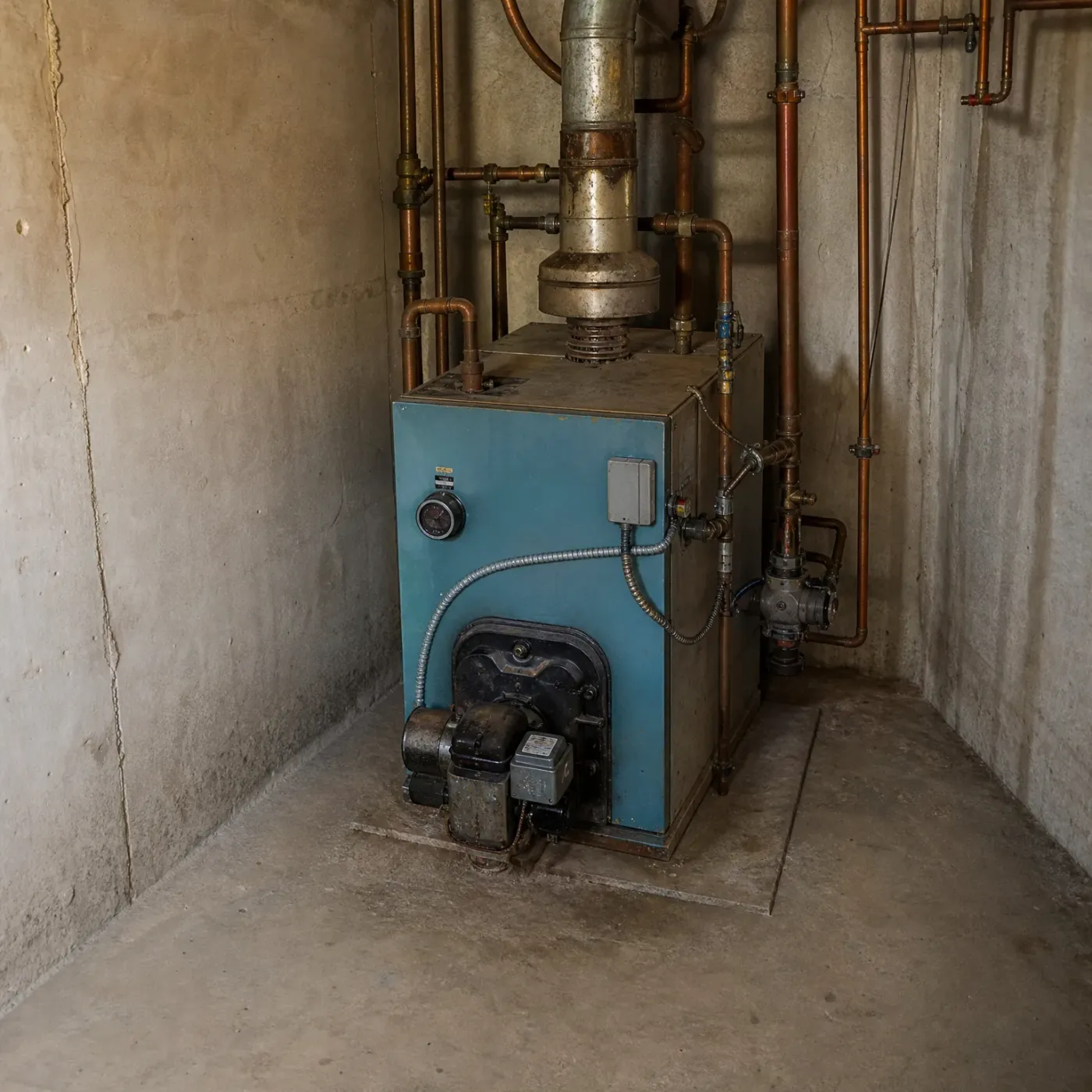
A blue oil-fired boiler with a burner unit and pressure gauge stands in a concrete basement corner, connected to copper pipes and a metal flue.

Boiler under strain

An older unit like this one works harder when air or sediment is in the mix. It cycles more to make up for radiators that won't fully heat, and a pump or fuel line already showing age has less room to compensate. Maintenance catches this before January does.

A man with a duffel bag walks up a concrete path toward a white board-and-batten house where a woman stands in the open wooden front door, flanked by potted plants and black lanterns.

A bled radiator heats top to bottom, and that's the whole job

Bleeding your radiators is a small job that tells you a lot. If every one heats evenly after you do it, the system is doing what it should going into winter. If pressure keeps dropping or the same radiator goes cold again in a few weeks, that's the boiler telling you something a key can't answer.

That's worth sorting out before the cold settles in for good, not after. A boiler technician can look at the pressure, the valves, and the loop itself and find out why air or water is getting where it shouldn't. If you'd rather hand that off, the next step is getting matched with a contractor who handles this kind of system, and having them reach out to you about what's going on at your place.

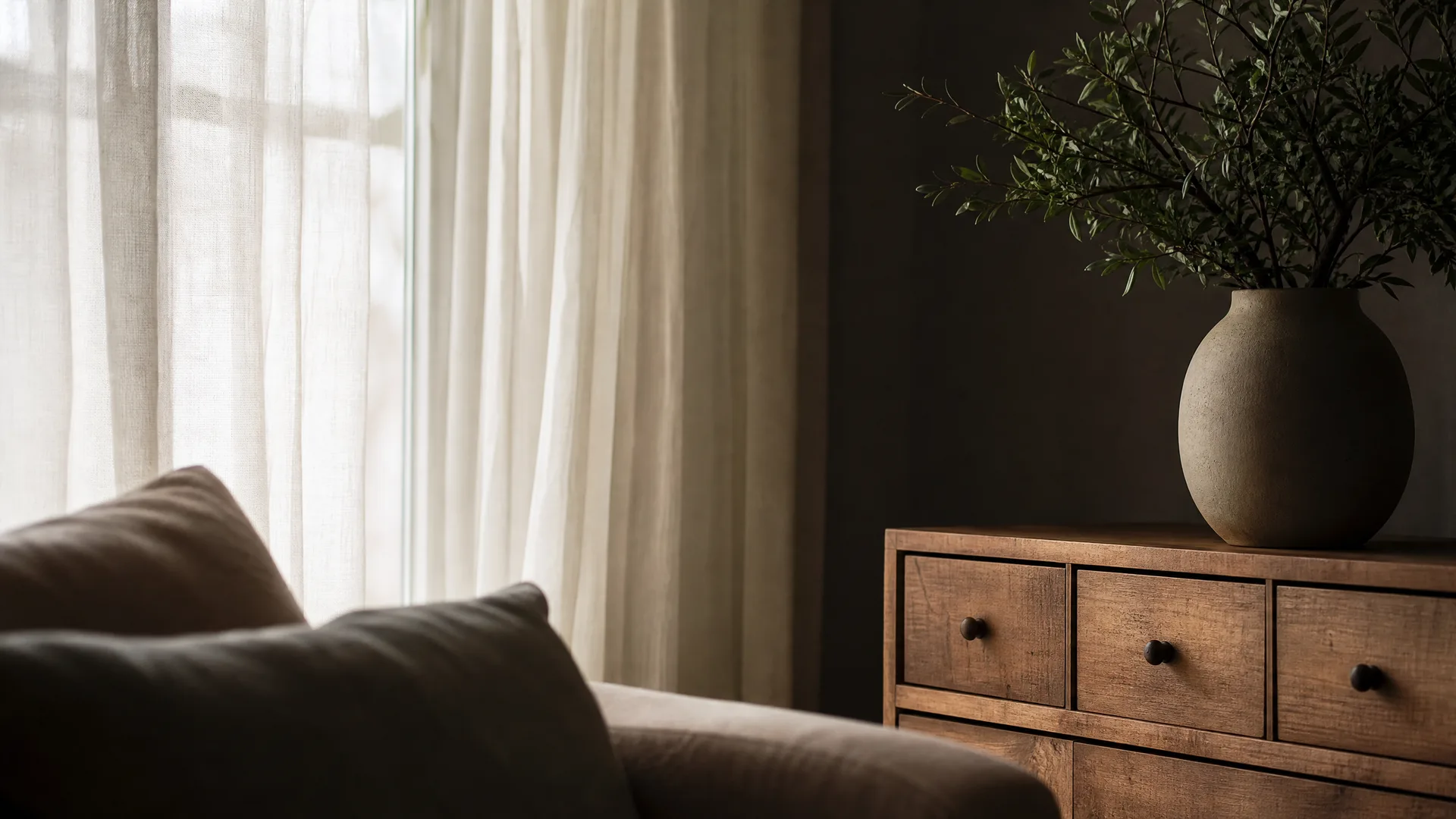
Interior corner with sheer white curtains at a window, a brown upholstered sofa in the foreground, and a wooden multi-drawer cabinet holding a round ceramic vase with leafy branches.
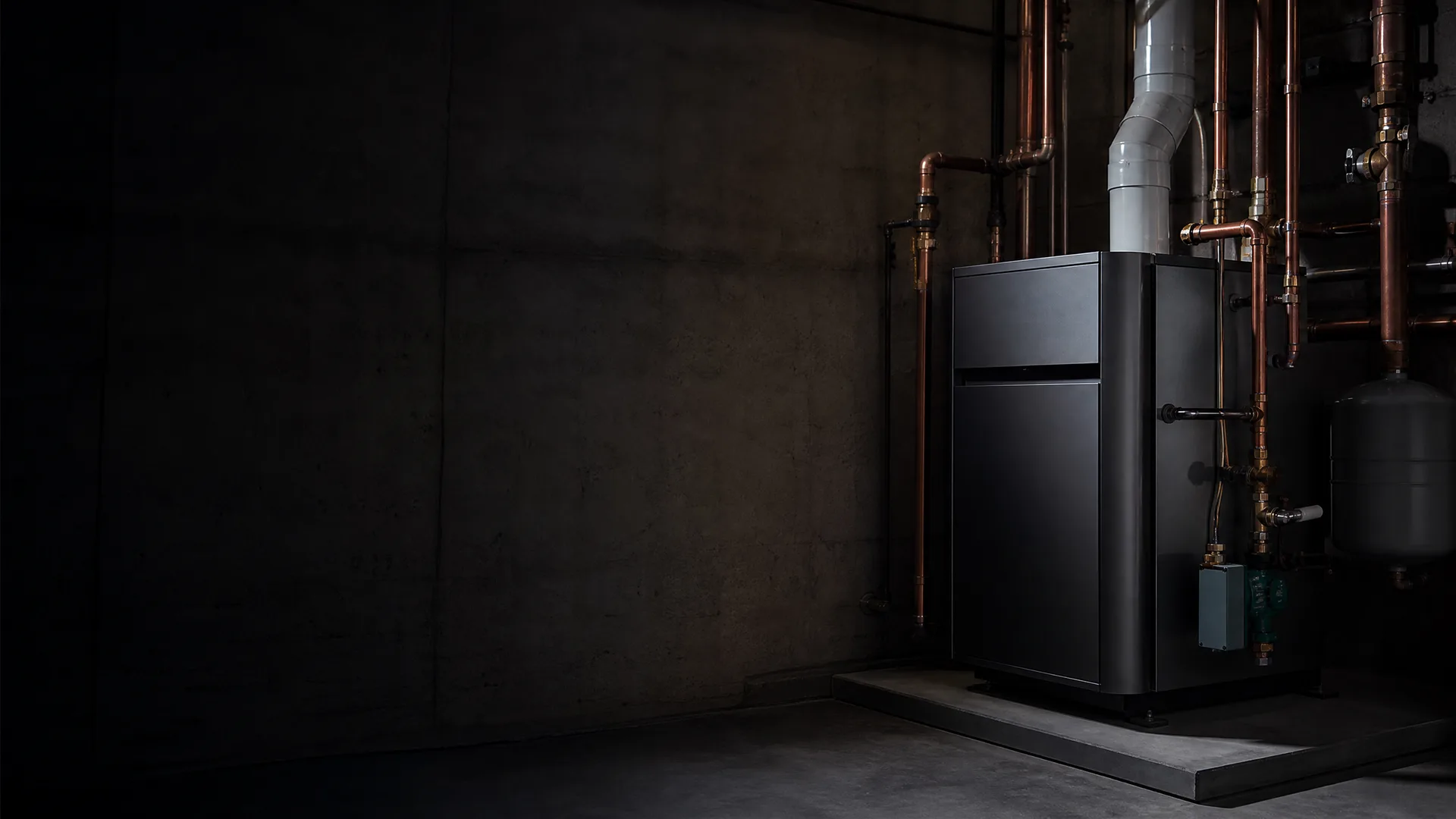
A black boiler unit on a concrete pad in a dim basement room, connected to copper pipes, a metal flue duct, and an expansion tank against a bare concrete wall.

Get your boiler to the right pro

Send the form, and lining up the boiler tune-up stops being yours to chase.

Step 1 of 3: Equipment