
Why your boiler is gurgling in Missouri
Why is my boiler making a gurgling noise?
A gurgling boiler usually isn't loud enough to ignore, but it isn't exactly an emergency either, so you're probably listening to it a few more times before deciding whether it's worth a call. Most of the time it's a sign your boiler needs attention, not a sign it's about to fail. But what's actually causing the noise changes what happens next, and whether it gets worse over the winter.
It's almost always trapped air or a buildup of sludge in the system
Gurgling in a boiler usually means air got into the system, or sediment has built up in the heat exchanger or pipes. Air pockets form when water is added to the system or after any work is done on it, and they knock around as the water tries to circulate past them. Sludge is older: minerals and rust settle in low spots and restrict flow, and the boiler gurgles as it struggles to push water through. Either way, the noise tends to get worse over a Missouri winter, not better, since the boiler is running longer and harder to keep the house warm. A boiler that gurgles through a full heating season is working less efficiently than it should.
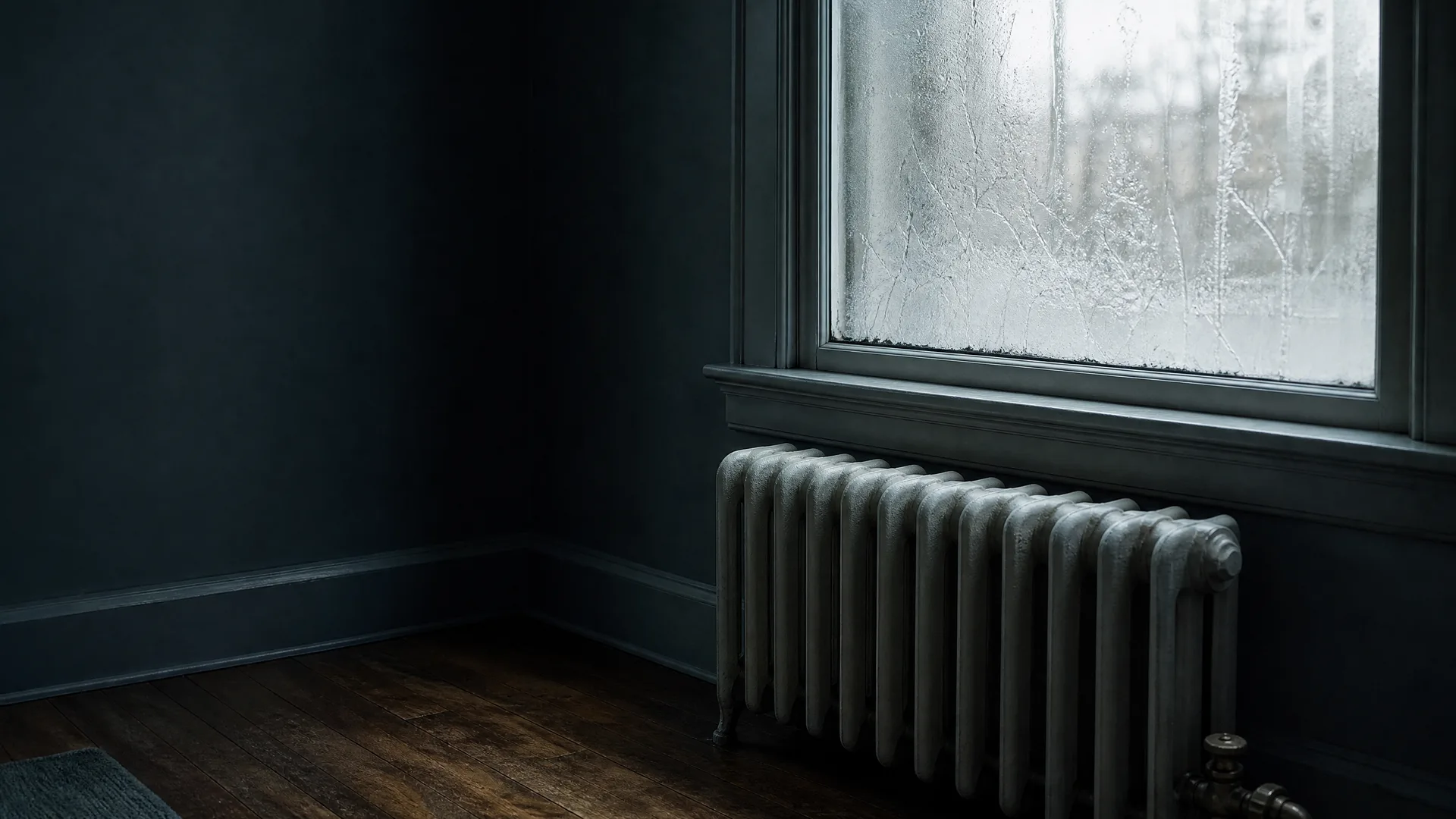
You're up before the thermostat kicks the house fully warm, coffee going, and the radiator under the living room window is gurgling again, that low knock-and-swallow sound working its way up from the floor. Outside it's still dark and single digits, the kind of Missouri morning where the inside of the glass has gone white with ice. You stand there a second, hand on the cast iron, feeling it tick warm in some spots and stay cool in others. The gurgling stops, starts again. You've got somewhere to be in twenty minutes, so you leave it, same as the last few mornings, telling yourself you'll deal with it once it actually quits.
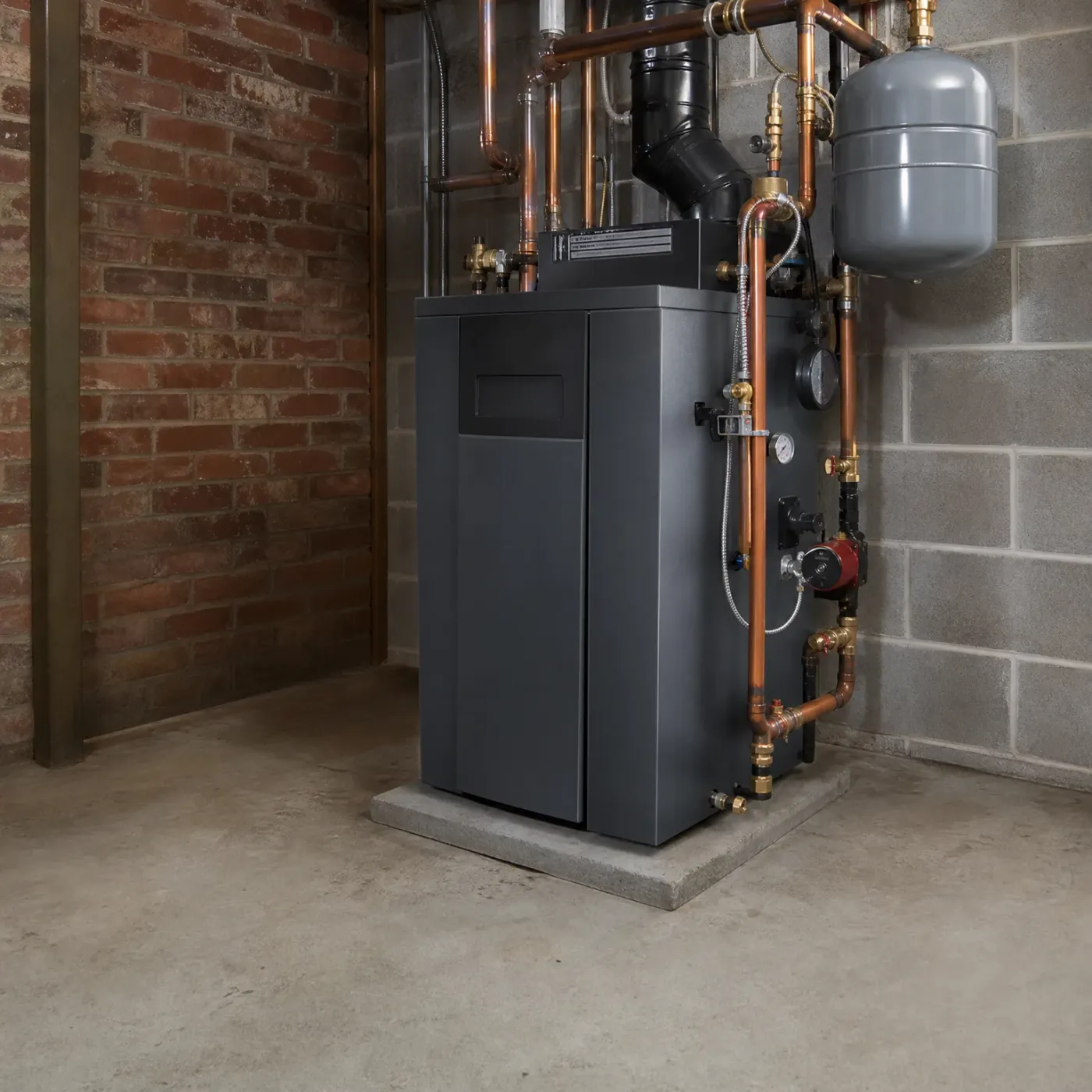
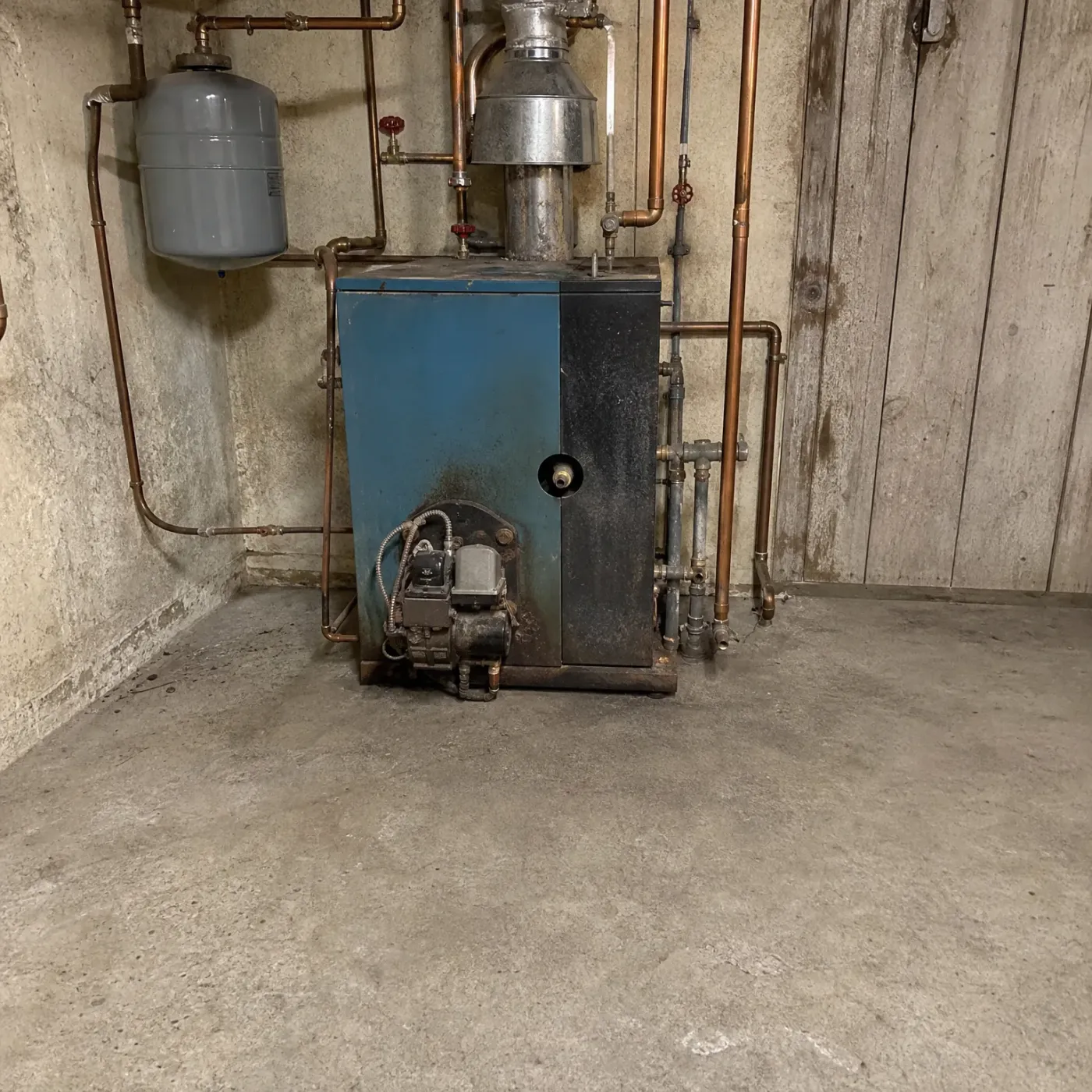
Water gets added to a boiler loop more often than people think, a little after every bleed, a little after any repair. That water carries air with it, and air always finds the highest point in the system to sit. Sometimes that's a radiator on the second floor. Sometimes it's a zone valve tucked in a closet. Either way, the water circulating below it has to push past that pocket, and the sound of that push is the gurgle you're hearing. At the right pressure, cold around 12 to 15 psi, the system is supposed to clear that air out through the vents on its own. When pressure drops below that, the air sits instead of moving, and the noise keeps coming back. Bleeding the radiator with the small key, letting it run until the water comes out steady instead of sputtering, clears what's trapped right then. If the gurgle is back in a week, the air isn't gone, it's getting pulled in again, and that points to a pressure problem rather than something a bleed valve fixes on its own.
Where the Air Gets In
- Air gets into the system when water is added to the loop, and it rises to the highest point it can reach, usually a radiator or a zone valve.
- A boiler with the right water pressure, somewhere around 12 to 15 psi cold, pushes that trapped air out through the vents instead of letting it sit and rattle.
- The gurgle is water trying to move past a pocket of air, not the boiler itself struggling or failing.
- Bleeding a radiator means opening its small valve with a key until water runs steady, which lets the trapped air escape.
- If the noise comes back within a week or two, the system is losing pressure or pulling in air somewhere, which a bleed valve alone won't fix.
- A kettling or rumbling sound from inside the boiler itself points to mineral buildup on the heat exchanger, not air in the lines.




A boiler pro near you
A gurgling boiler in a Missouri winter is still your problem to solve on top of everything else the cold is asking of you. Figuring out whether it's trapped air or low pressure means either opening the system up yourself or finding someone who'll look at it honestly instead of just recommending a new unit. That usually means a string of calls to local shops, explaining the same gurgle and the same radiator over and over, then waiting on quotes to compare while the noise keeps you up. Most gas-heated homes here run that radiator or boiler loop hard from November through March, so a noise that starts small doesn't stay small for long once the cold settles in. Handing this off means you stop being the one tracking down who's available and who knows what they're doing, and you get back to your coffee while someone who repairs boilers for a living sorts out what's actually happening in your pipes.
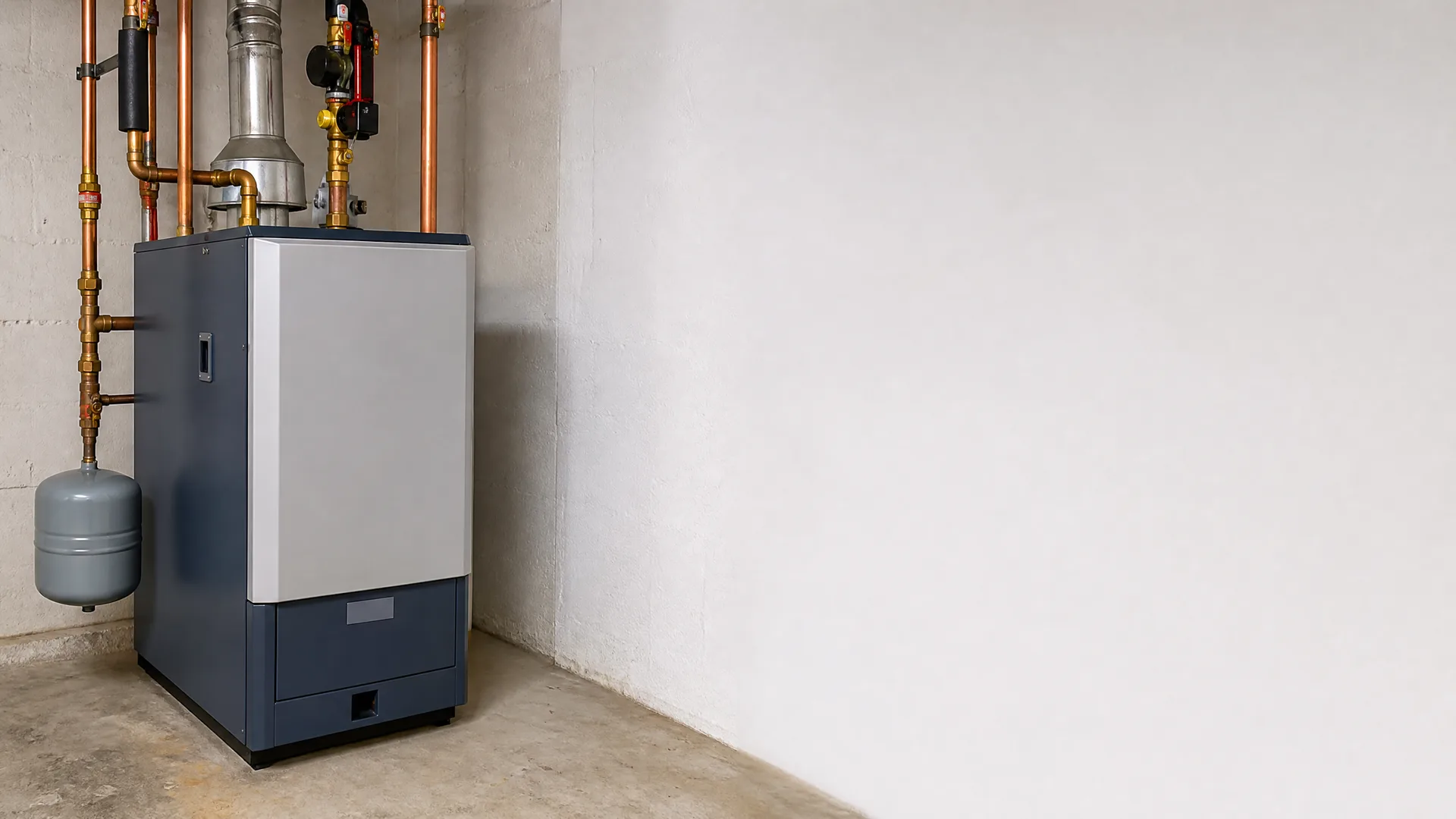
Bleeding a radiator is the quick check
Each radiator usually has a small valve near the top, often square or with a slot for a key. Shutting the boiler off first, then opening that valve lets trapped air hiss out until water starts to dribble. That alone quiets a lot of gurgling. If the valve won't budge or air keeps coming back within a day or two, something upstream is feeding air into the system faster than bleeding one radiator can clear it.
Pressure drops for a reason
A boiler that's lost pressure didn't lose it for no cause. Water finds its way out through a loose fitting, a worn valve, or a relief valve that's weeping more than it should. Topping off the pressure without finding where it went just buys a few quiet weeks before the gurgling starts again. That's the difference between bleeding a radiator yourself and having someone trace the system to see why it keeps running low.

A noise you notice because you're home to hear it
You're the one who hears it, probably in the evening when the house is quiet and the radiators are running their hardest. A gurgle you can live with tonight turns into a cold bedroom if the air pocket moves to a zone valve or the water pressure keeps dropping. Missouri winters don't let up for long, and a boiler losing pressure slowly can go from a noise you shrug off to a system that won't heat one whole side of the house.
Sorting out whether it's trapped air, a slow leak, or a pressure problem usually means finding someone who still works on boilers, since not every heating contractor does, then explaining the sound and the symptoms before they even look at it. Getting matched with a contractor who handles boiler repair and hearing back from them directly skips that part. You still deal with the gurgle. You just don't have to find out on your own who's qualified to fix it.


Water in the boiler heats and turns partly to steam.
Air trapped in the loop rises toward the highest radiator.
The air pocket blocks water from filling that section fully.
Water hammers against the pocket, making the gurgle you hear.


Winter nights average 25°F statewide
That 25°F overnight average is what your boiler is up against for three straight months, not just on the cold snaps. It runs long enough, often enough, for a small air pocket or a slow pressure drop to turn into a gurgle you hear every night instead of once in a while.
NOAA nClimDiv 1991-2020 county normals weighted by homes
A gurgling boiler is telling you one of two things, trapped air or low pressure, and both are ordinary problems with ordinary fixes. Bleeding a radiator settles it if air is the cause. If the gauge still reads low after that, the system needs water added back and a look to see why it dropped in the first place. Either way, you don't have to be the one who figures out which it is. That usually means an evening lost to searching for someone local who works on boilers, calling a few numbers, explaining the same gurgle and the same gauge reading each time, then weighing quotes that don't quite match up. Missouri winters don't leave much room for that. A contractor who already knows this system type can look at your pressure and your radiators and tell you straight off which one you're dealing with, and what it takes to quiet it down before the next cold snap settles in for the night.





A local pro for your boiler repair
Answer a few questions instead of calling shop after shop.
No fee to send it, and nothing to sign.