A cracked heat exchanger is not covered by most repairs
Once the metal splits from the stress, the fix is a new heat exchanger or a new boiler. Catching the kettling early is what keeps you out of that.

That whistling or rumbling sound coming from your boiler can be unsettling, especially when it starts out of nowhere during a cold stretch. You're not imagining it, and it usually means something specific is happening inside the unit, not a minor quirk you can ignore until spring.
The noise happens because mineral scale has built up on the inside of the heat exchanger, the part that transfers heat into your water. Water gets trapped under that layer and boils into steam pockets that collapse and pop, which is what makes the kettle sound. Missouri's water runs hard in a lot of areas, and hard water leaves scale behind faster than soft water does. Left alone, kettling stresses the heat exchanger and can crack it, which turns a repair into a replacement. It will not go away on its own, and running the boiler while it kettles keeps wearing on that same part every time it fires.
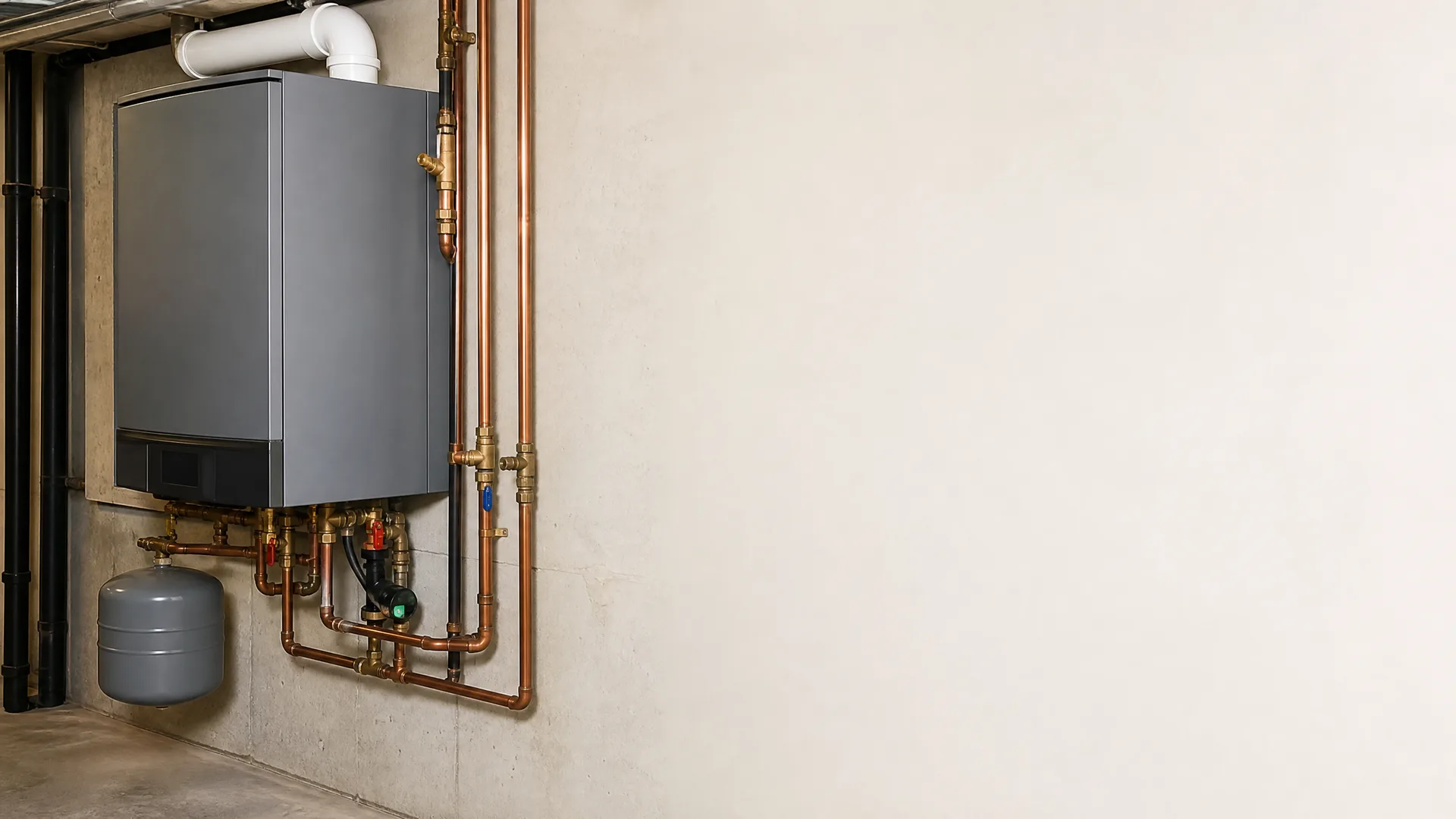
Kettling happens when scale or sludge builds up on the heat exchanger and traps water against the hot metal. That trapped water boils and flashes to steam while the rest of the water around it stays cooler. The steam bubbles collapse fast, and that collapse is what you hear as the knocking or whistling. It's the same thing you'd hear in a pot left on a burner with buildup caked on the bottom, just happening inside a sealed exchanger instead of an open pan.
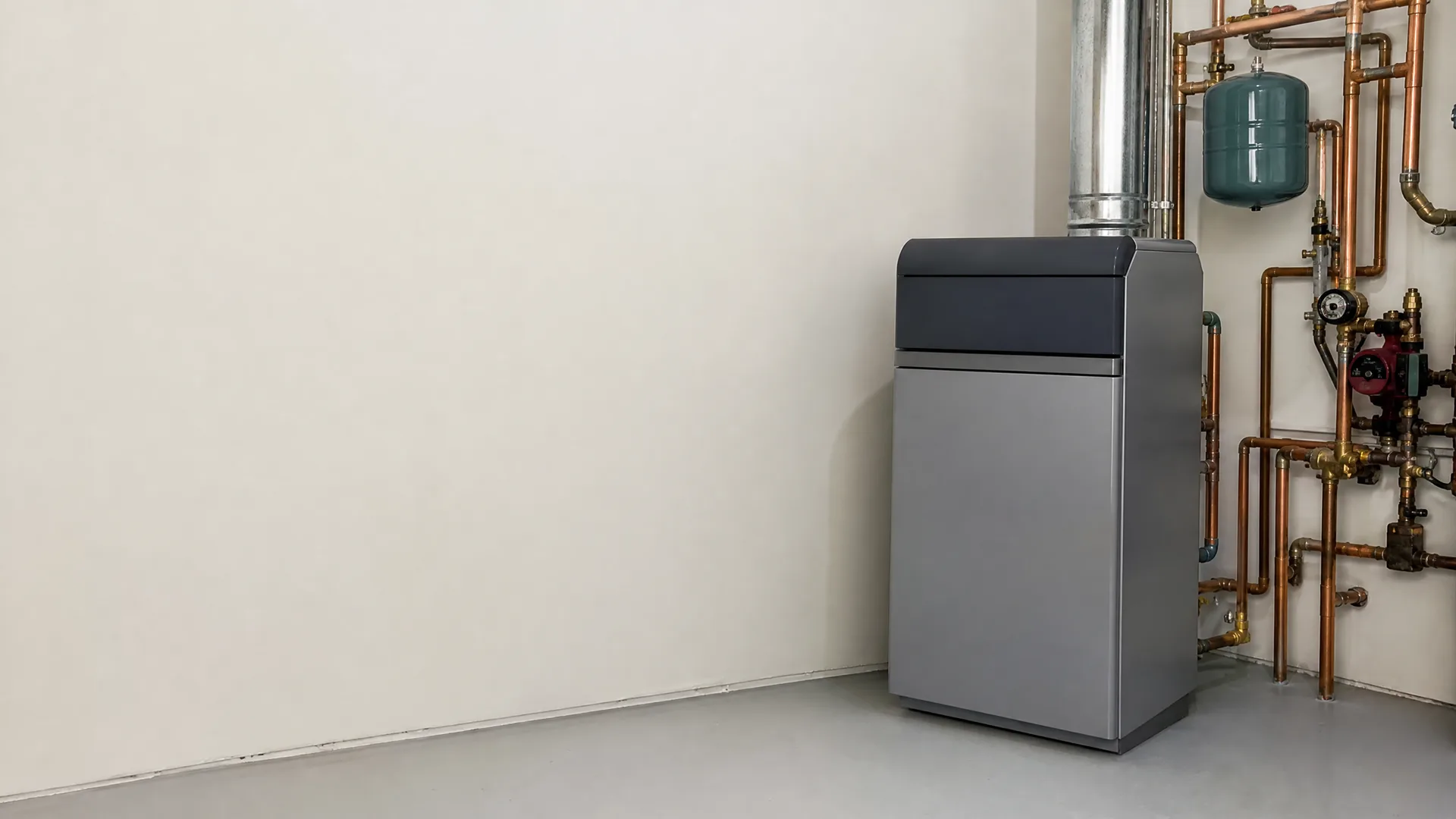
Hard water leaves mineral scale behind as it heats, and that scale builds up faster where the water running through your boiler carries more calcium and magnesium to begin with. The deposits settle on the hottest surfaces of the exchanger first, which is exactly where kettling starts. Left alone, scale buildup also makes the exchanger work harder to heat the same volume of water, and a boiler running hotter than it needs to wears its parts down sooner.




Once the metal splits from the stress, the fix is a new heat exchanger or a new boiler. Catching the kettling early is what keeps you out of that.
Send the form and you're done searching. No calling around, no repeating the noise to three different companies to get a quote.
Answer a few questions instead of calling shop after shop.
It costs nothing to send, and you don't have to hire anyone.
The whistling comes back every time the boiler fires, and it's a little louder than the last time you noticed it. You're still hunting down a contractor who works on boilers, calling around to see who's free, explaining the sound over the phone more than once, then lining up the quotes you get back to see who's fair. Meanwhile the scale keeps building on the heat exchanger and that trapped water keeps boiling against the hot metal every cycle, so the stress on it doesn't let up while you're still making calls.
Once you send the form, you're done with the part that eats your time. No more searching for a contractor who handles boilers, no more calling around Missouri to find one who's available, no more repeating what the noise sounds like to each new person on the phone. A contractor gets in touch and takes it from there. The heat exchanger gets looked at before the scale does more damage, and you're not carrying the job of finding help anymore. That part is off your plate.


Minerals in Missouri's water don't stop building up once you notice the noise. The scale already on the heat exchanger stays there, and more settles on top of it every time the boiler runs.
A contractor can flush that scale out and get the heat exchanger back to passing heat the way it did before. Left alone, the same spot keeps overheating until the metal gives out.
At 25°F on a typical winter night, your boiler is firing for hours at a stretch to keep up. Scale on the heat exchanger has that much longer contact with the hot metal each night to trap water and start the kettling. The colder the night, the sooner you'll hear it.
NOAA nClimDiv 1991-2020 county normals weighted by homes
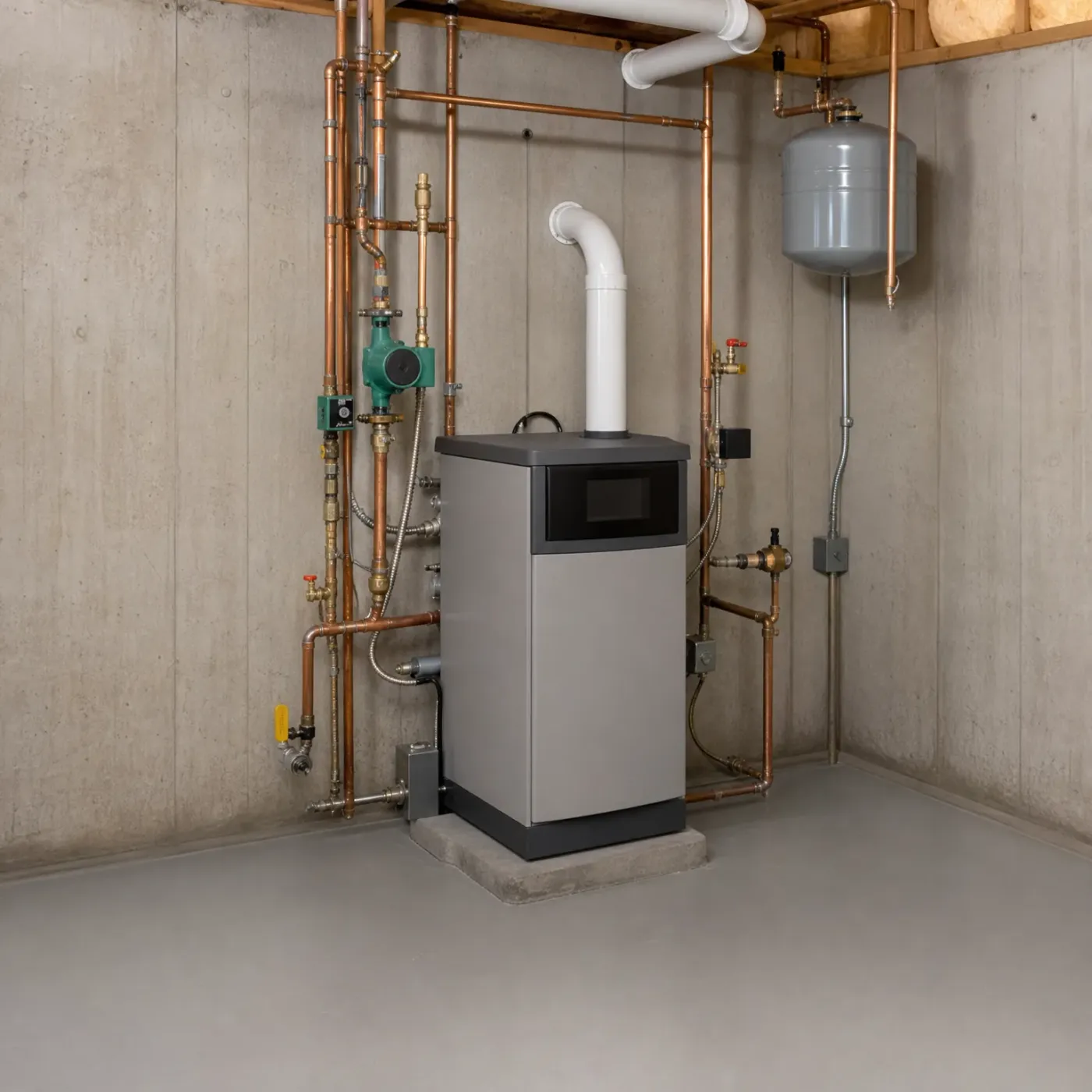
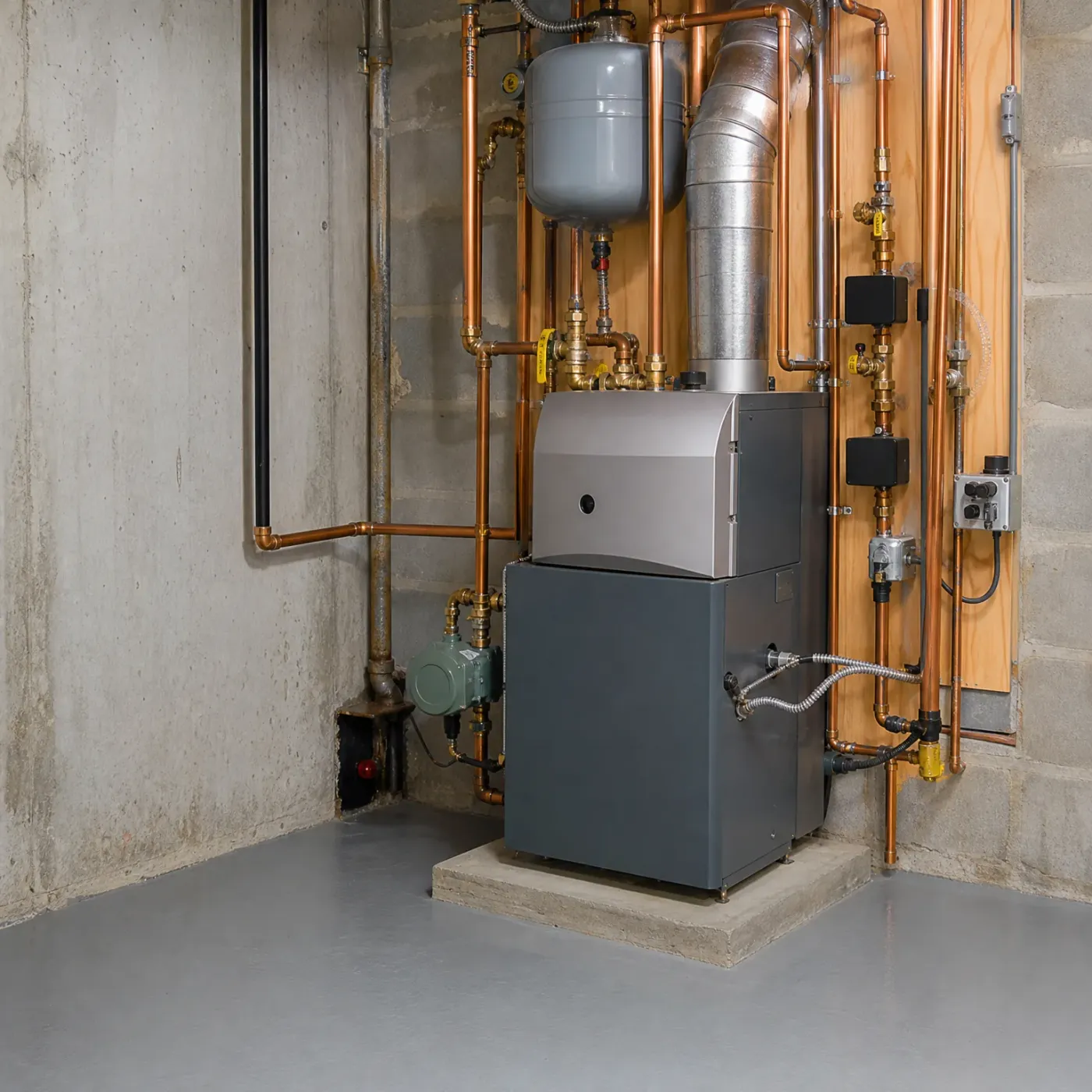
A boiler like this heats water and sends it through the copper lines to the rest of the house without a sound beyond the normal hum of the pump. The heat exchanger is bare metal, so the water moves across it and picks up heat evenly.
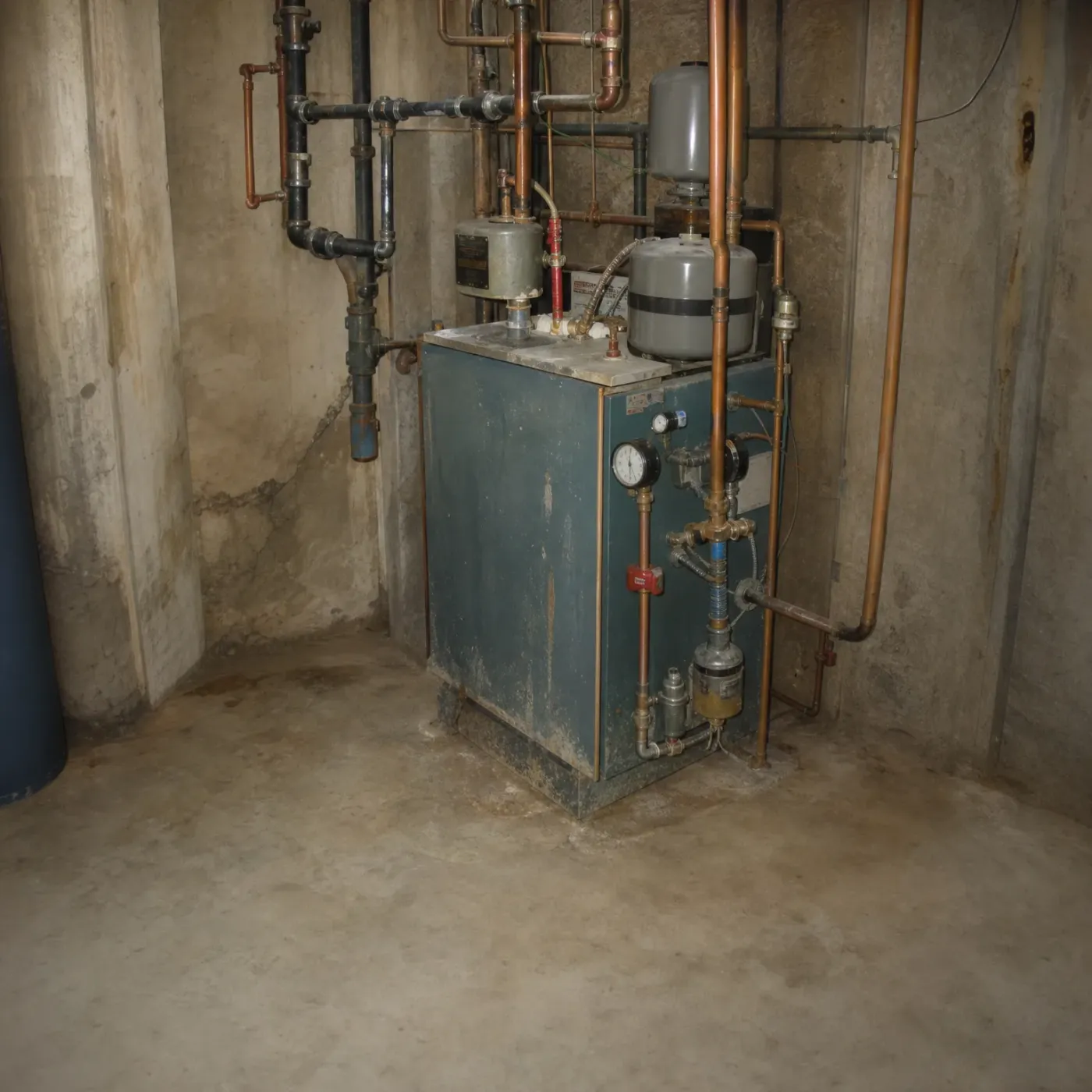
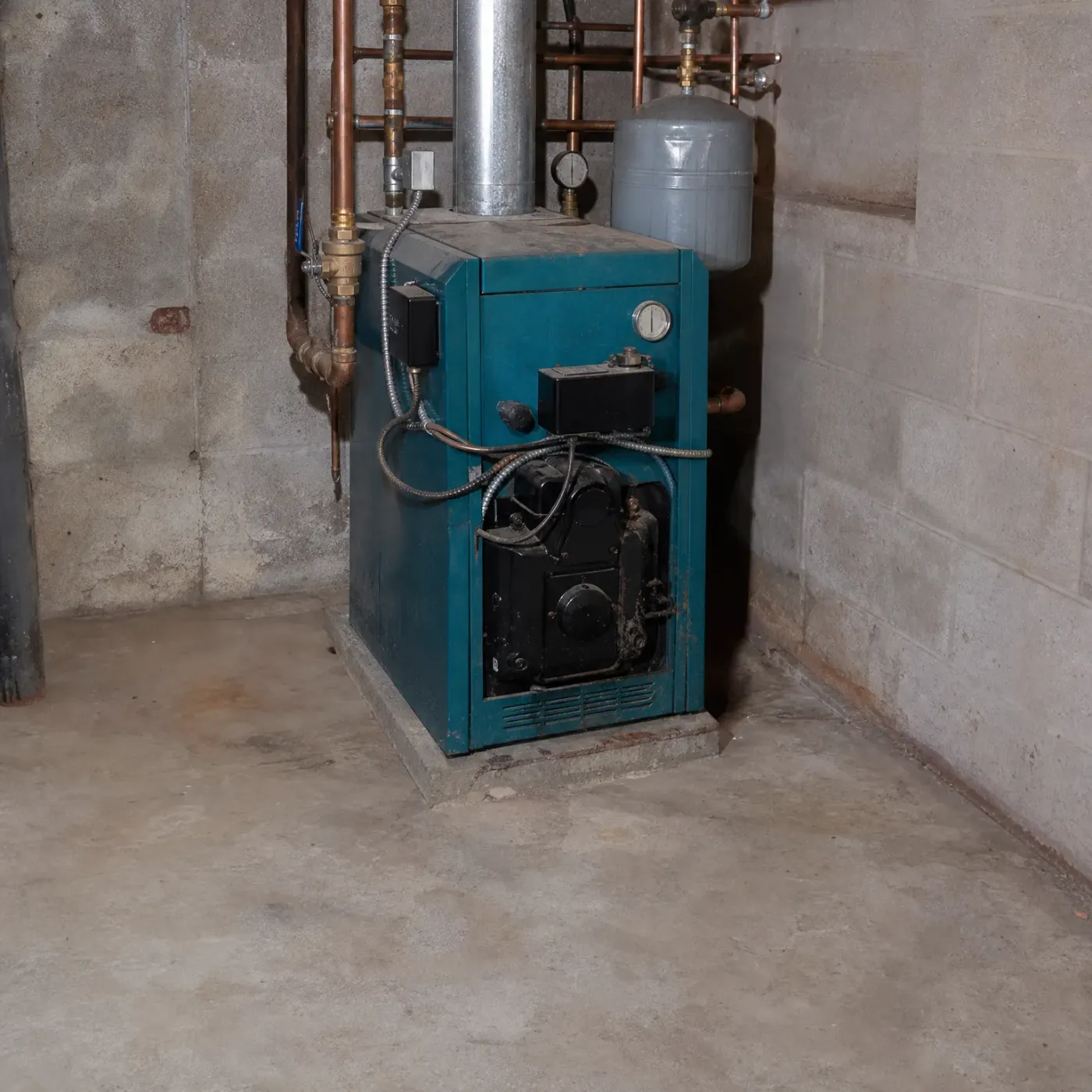
This older boiler has the same job to do, but the heat exchanger inside it is coated with scale from Missouri's water. Water gets trapped under that coating, turns to steam, and the pressure gauge and fittings around the unit are the first place a contractor checks once the whistling starts.
The whistling is scale on your heat exchanger trapping water against hot metal, and it won't fix itself. Left alone, the sound gets louder, the metal keeps taking the stress, and the boiler keeps working harder on the cold Missouri nights ahead. A contractor can flush the scale out and get it running quiet again, catching it before the heat exchanger cracks. Right now that means tracking down someone who actually works on boilers, calling a few numbers, explaining the noise and when it happens to each one, then sitting on quotes trying to figure out who to trust. Send the form and that part is done. You're not the one searching anymore, not the one making the calls or repeating yourself to the next person who picks up. Someone who works on boilers in Missouri gets the details you already gave and takes it from there. The noise has an answer. Getting the right person on it shouldn't be the hard part.
Describe your boiler job once, to one pro.
No charge to send it. You decide if you hire them.