Why your boiler runs out of hot water in Missouri

Step 1 of 3: Equipment

A boiler that runs out of hot water is usually losing heat before the water ever gets to you, or it's not heating a full tank's worth to begin with. A failing heating element or a bad thermostat on the tank means the water only gets partway warm. Sediment built up at the bottom of the tank can block the burner or element from heating the full volume, so you get a few minutes of hot water and then it's gone. On a combi boiler, a weak diverter valve or low pressure can mean it never ramps up to full heat at all. Gas is the common fuel for heat here, so most of these boilers are gas-fired, and a dirty burner or clogged heat exchanger can quietly cut how much hot water it produces per cycle. None of this is usually an all-or-nothing failure. It starts small, shows up as shorter showers, and gets worse until it's addressed.

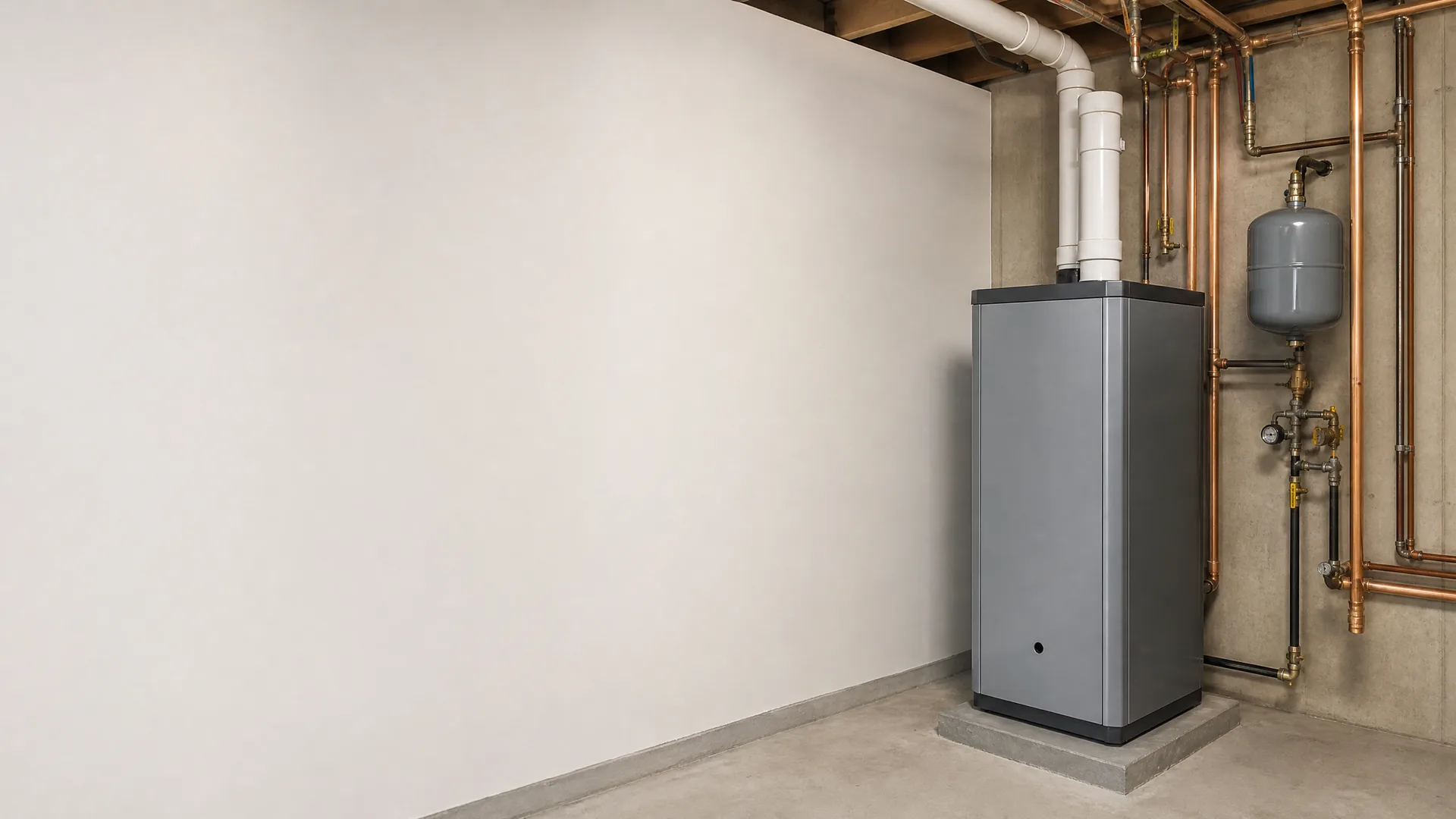
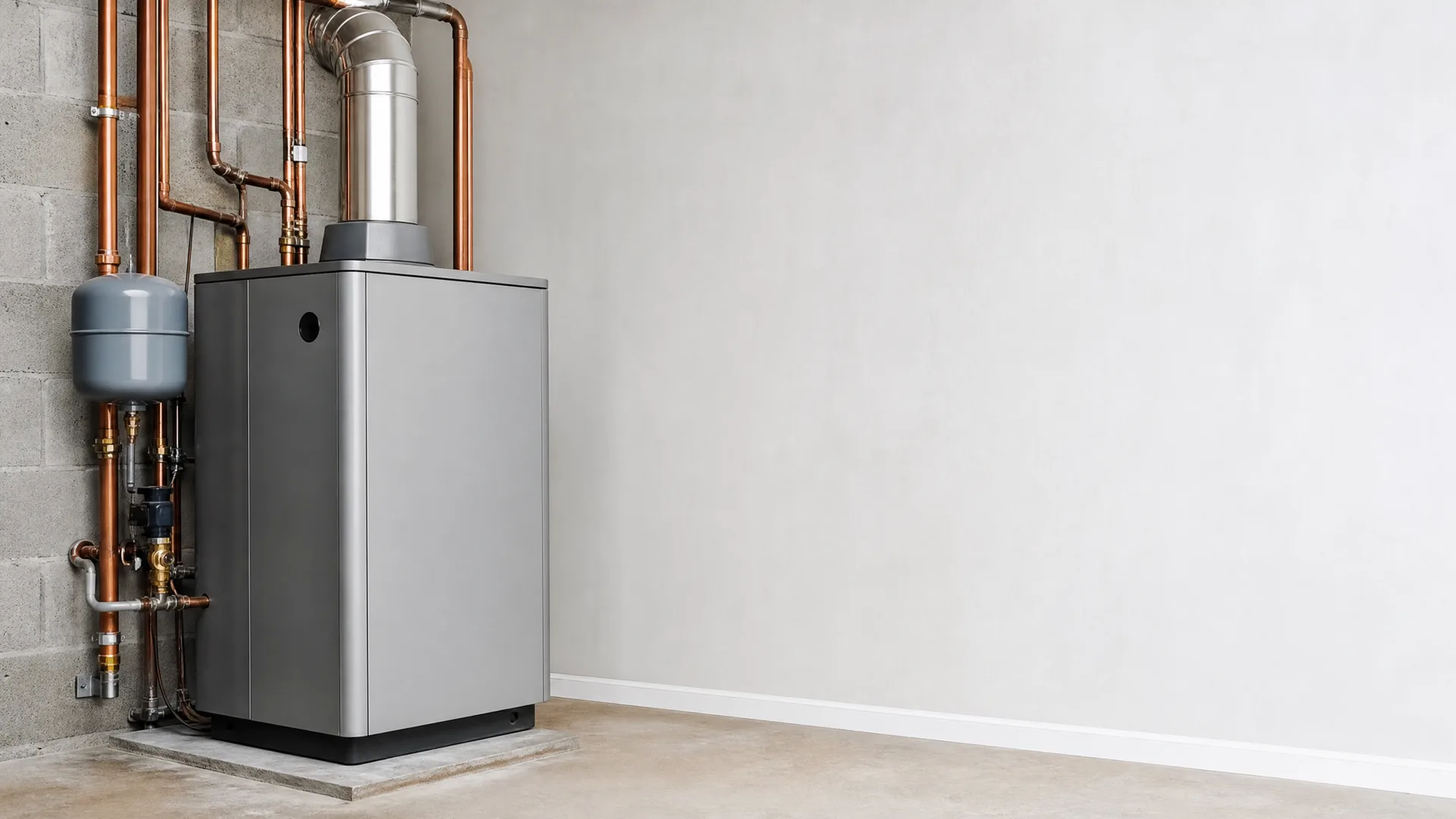
A grey floor-standing boiler with a metal flue and copper pipework and an expansion vessel stands against a concrete block wall beside a plain light-coloured wall.

Sediment builds up over time

Missouri water runs hard in a lot of towns, and that mineral content settles to the bottom of the tank. A layer of sediment sits between the burner and the water, so the burner has to work longer to get the same heat through. Over months that layer thickens, and the tank holds less usable hot water even though it's full. A contractor can flush it, but once it's baked on, flushing only does so much.

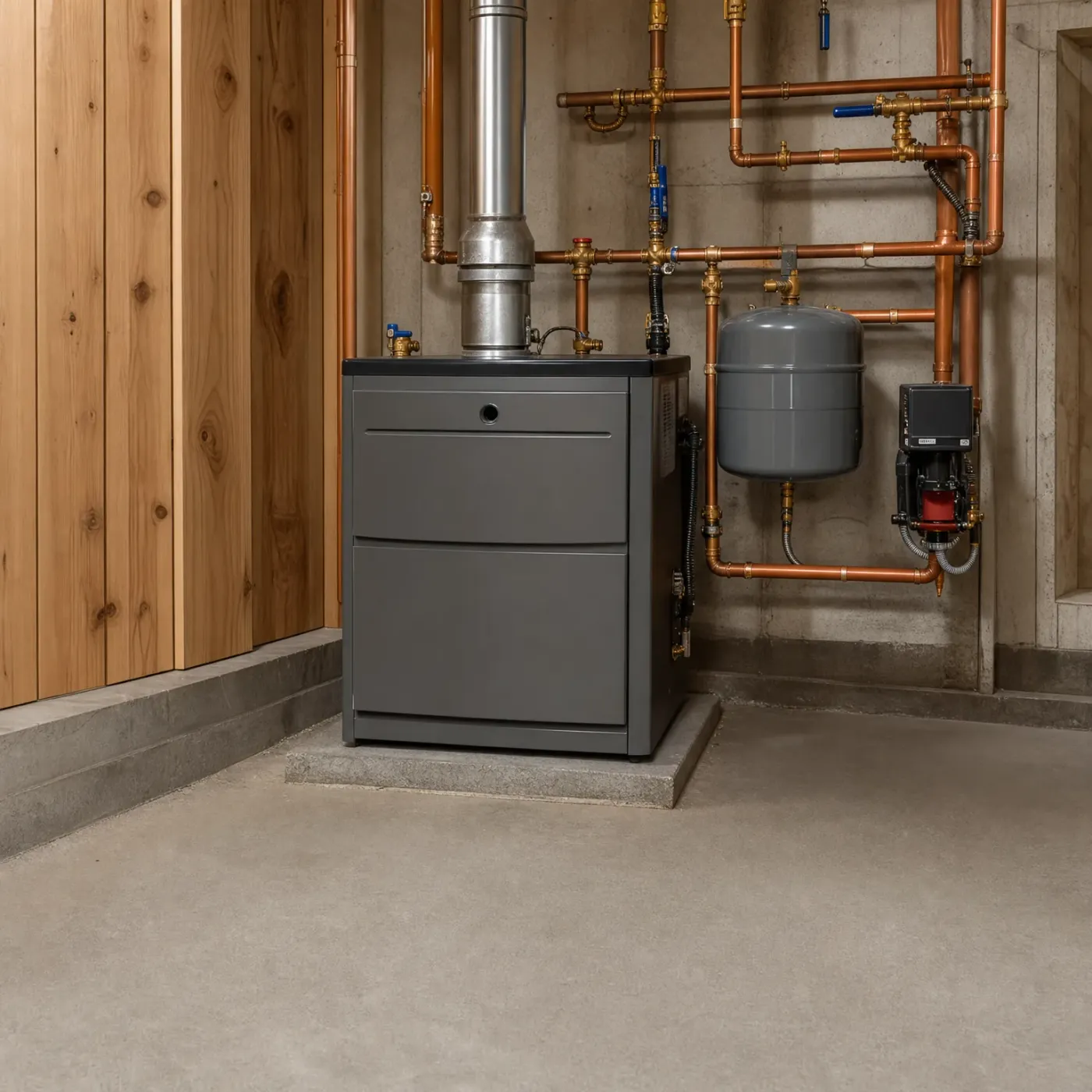
A gray boiler unit on a concrete pad in a basement corner, with white PVC flue pipes, copper piping, and a gray expansion tank on the wall behind it.

A thermostat set too low

The aquastat controls how hot the boiler heats the water before it stops firing. If it's set low, or it's drifted out of calibration, you get a tank that feels full but runs lukewarm fast. This is one of the cheaper fixes a technician checks first, because it looks exactly like a bigger problem such as a failing heat exchanger, but it isn't one.

Why does your hot water fade fast, then run cold?

You run the shower and it's fine for a few minutes, then it slides toward lukewarm and quits. Dishes get rinsed in cooling water. A bath takes planning around who goes first. You might hear the burner kick on more than it used to, or notice the water heater making a ticking or rumbling sound as it tries to push heat through. The pilot or igniter may be lighting fine but the tank still can't keep up. Left alone, a tank working that hard wears out its burner and heating parts faster, and the gas bill climbs for less hot water than you used to get.

A gray boiler on a concrete pad in a basement, with a metal flue pipe and copper piping, brass valves, a gray expansion tank and a circulator pump mounted on the concrete wall beside wood paneling.

Heating a full tank, all the way through

This is a boiler keeping up. The burner cycles, the pump moves water through the copper lines, and every gallon that leaves the tank is as hot as the one before it. No sediment layer slowing the burner down, no thermostat telling it to quit early.

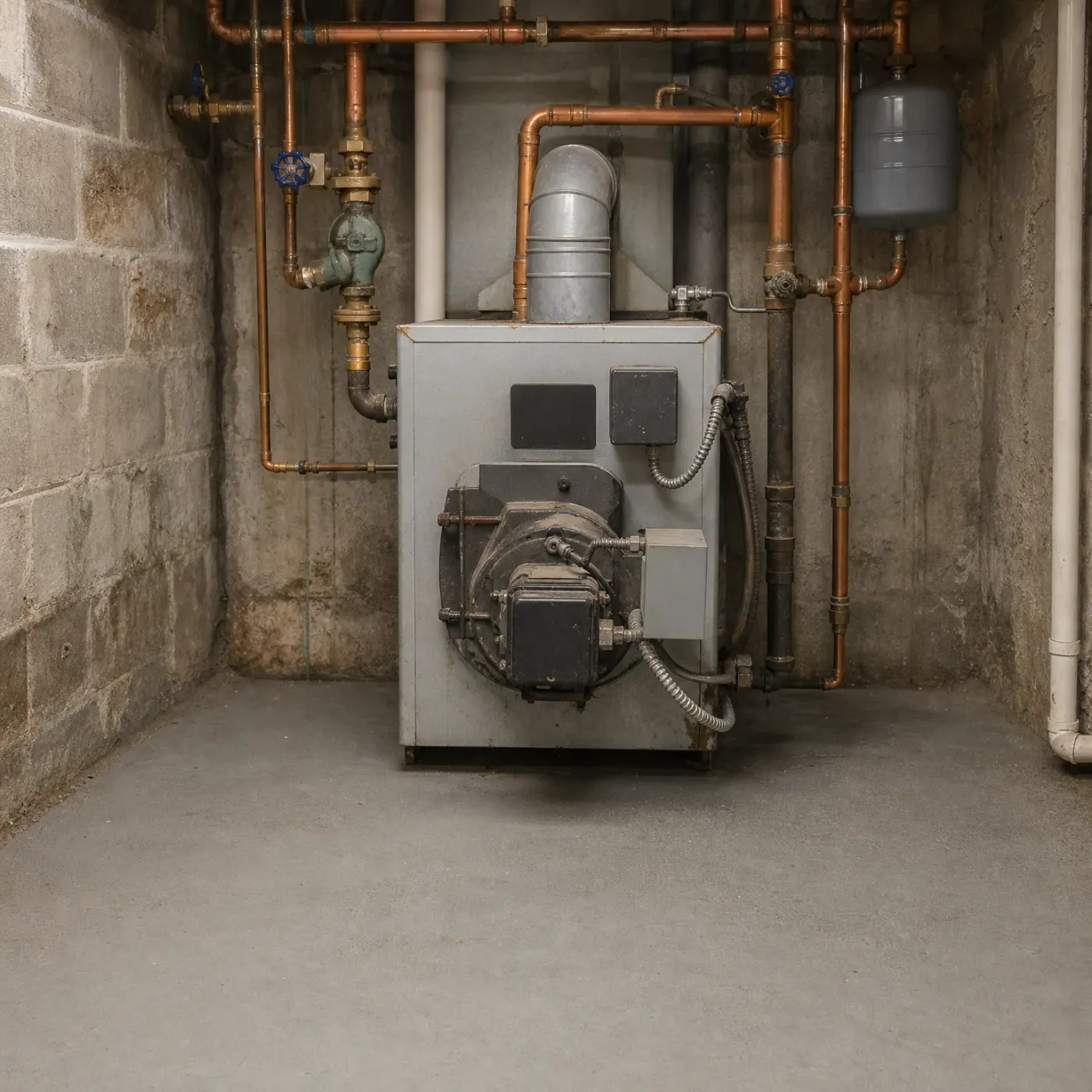
A gray boiler with a flue pipe and burner unit stands against a concrete block basement wall, surrounded by copper and steel piping, valves, and a gray expansion tank, on a bare concrete floor.

Something between the burner and the water

Here the hot water is giving out before it should. A buildup inside the tank, a weak element, or a thermostat that's lost its calibration all look the same from upstairs. A contractor who works on boilers in Missouri basements all year can narrow it down fast.

A woman in a cream cowl-neck sweater sits by a window with snow outside, in a dimly lit living room with a sofa, lit lamp, mirror, candles and a fireplace.
A woman in a gray turtleneck sweater sits beside a large window looking out at snow-covered evergreen trees, in a dimly lit living room with a lit fireplace, lamps, couch and houseplant.
A woman in a cream turtleneck sweater stands beside a large window with snow-covered ground and bare trees outside, in a dimly lit living room with lamps, a sofa and framed art.
A woman in a grey cowl-neck sweater stands indoors near a window, looking out at falling snow, with a lamp, framed picture and couch in the warmly lit room behind her.

A boiler doesn't store hot water the way a tank water heater does. It heats water inside a heat exchanger, then sends it out to do the job, often to an indirect tank sitting nearby. That tank has its own aquastat, and that aquastat decides when the system calls for more heat. If it's reading wrong, the call comes late or not at all, and the tank runs down before it's topped back up. The circulator pump is what actually moves the hot water from the boiler to the tank's coil. A worn bearing in that pump won't stop it dead, it just slows it down, so less heat gets through in the same amount of time. Zone valves split that heat between your radiators and your tank, and one stuck half open will steal hot water meant for the tank and send it to a loop instead. Even boiler pressure plays a part. When it drifts low, the expansion tank has usually lost its air charge, and that alone can cut into how much hot water the system is able to push through.

How a boiler actually heats water

  • A boiler heats water through a heat exchanger, not the storage tank most people picture under a water heater.
  • An indirect tank stores the hot water, and a bad aquastat on that tank will stop it from calling for heat at the right point.
  • The circulator pump moves hot water from the boiler to the tank's coil, and a worn pump bearing slows that transfer without stopping it outright.
  • A zone valve stuck half open can send heat to a radiator loop instead of the tank, so the tank never gets its full share.
  • Boiler pressure that's crept low often means the expansion tank has lost its air charge, which cuts how much hot water the system can push through.
  • The aquastat differential, the gap between when the burner turns on and off, decides how much of the tank actually gets reheated each cycle.
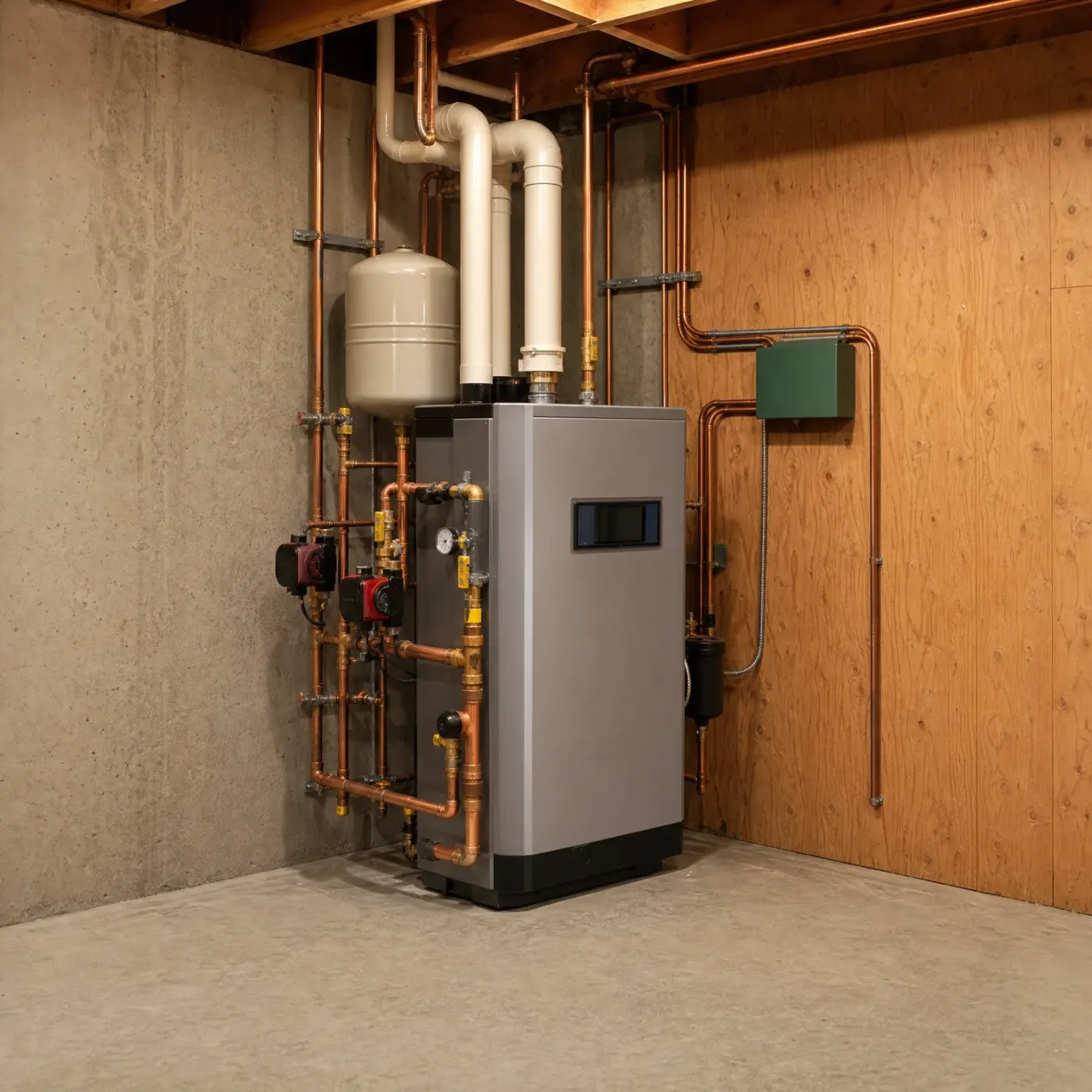
A gray floor-standing boiler in a basement corner with copper piping, two red circulator pumps, a beige expansion tank, white PVC vent pipes, concrete and plywood walls.
Copper lines run clean and the burner cycles on schedule, so hot water holds steady from the first gallon to the last.
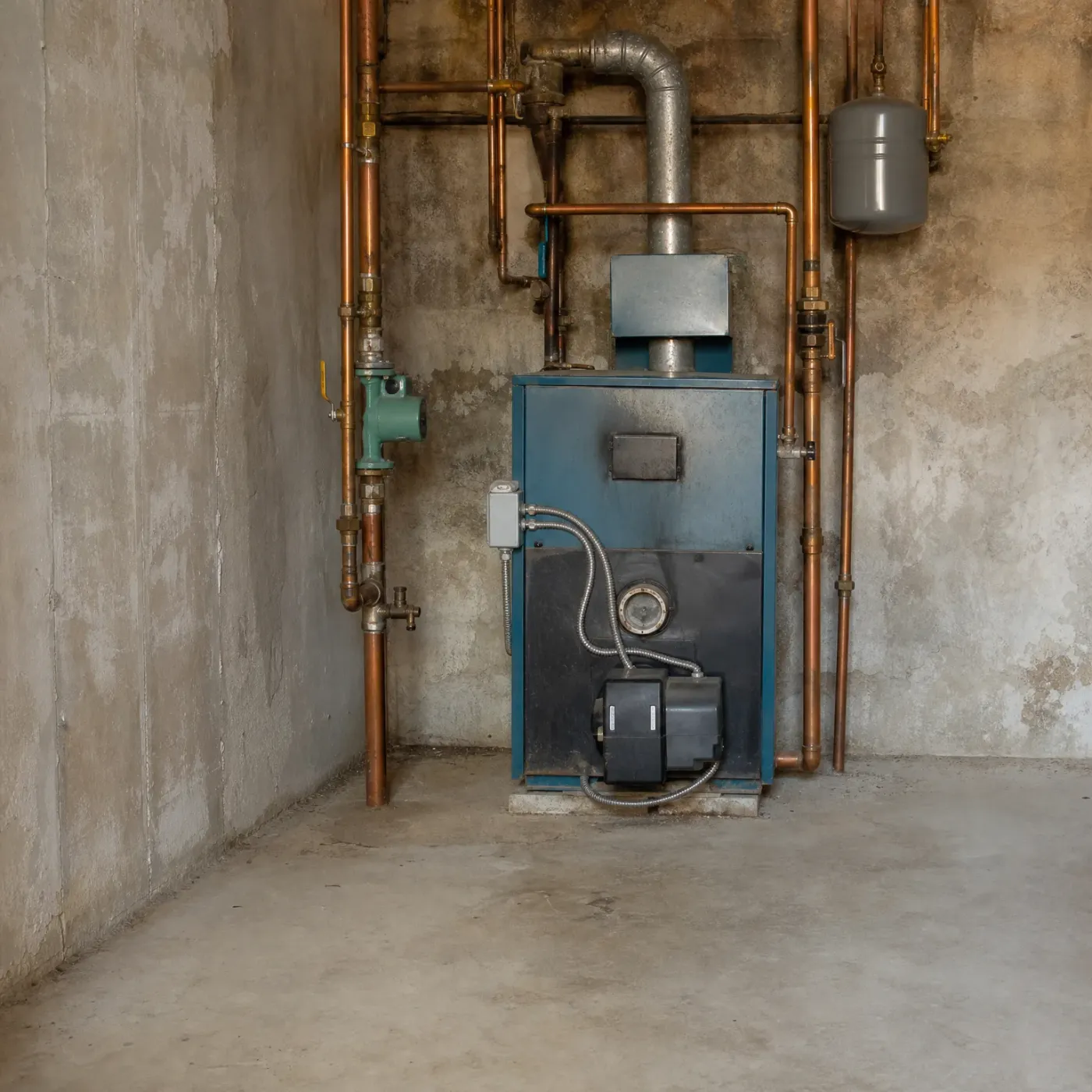
A blue residential boiler with a metal flue, pressure gauge and burner unit stands against a stained concrete basement wall, surrounded by copper pipes, a green circulator pump and a gray expansion tank.
Bare concrete, galvanized flue, a worn burner assembly: this setup is more likely to run short before the tank empties.
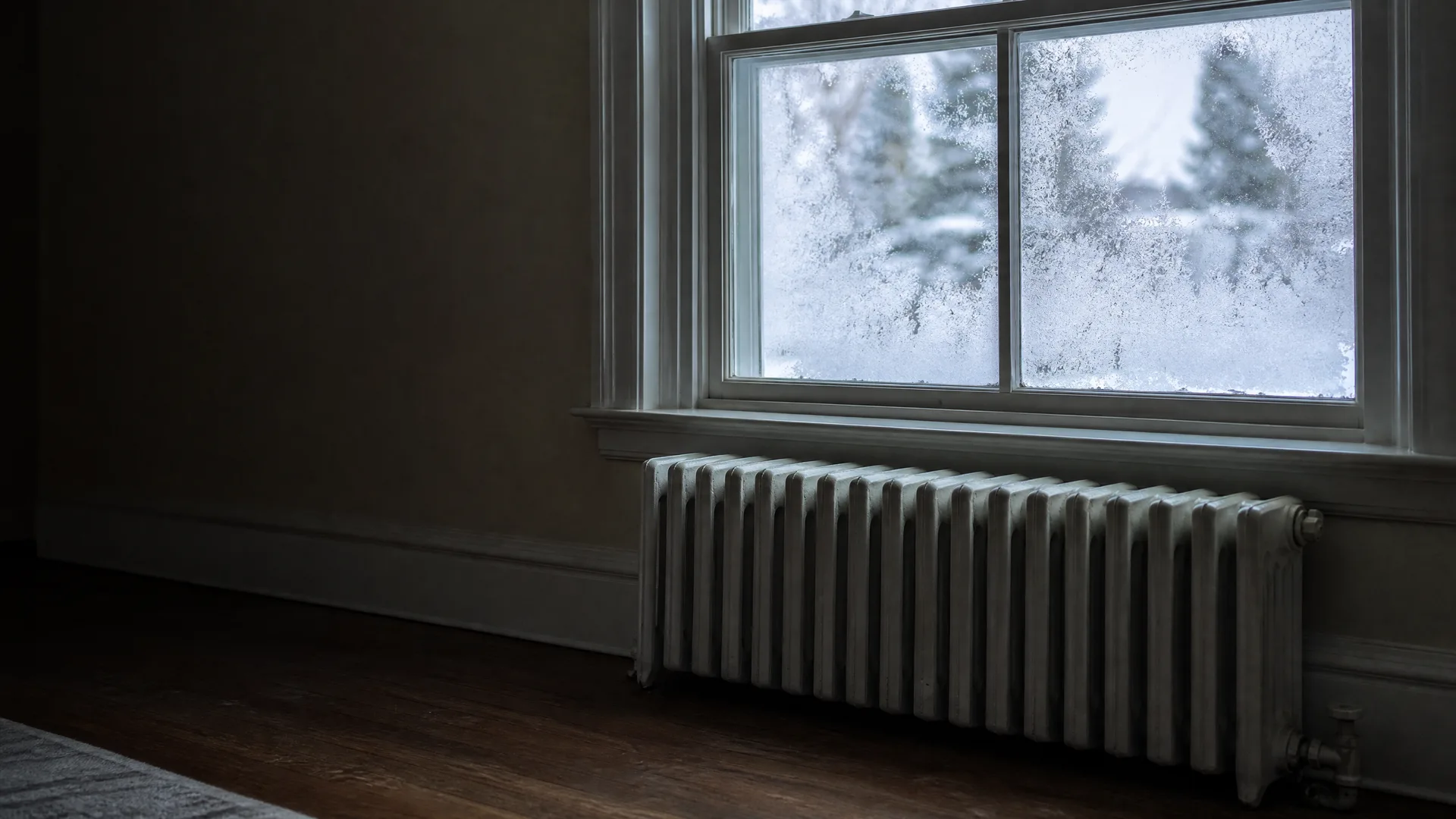
A cast-iron column radiator beneath a frost-covered window in a dim room with dark wood floor, with snowy evergreen trees visible outside.

It's a January morning, early, and the radiator under the living room window ticks as it tries to warm up. You wipe a hand across the glass and the ice is on the inside. The water in the shower upstairs already gave out halfway through your sister's turn, and you're standing here in a sweater waiting for the cast iron to throw off enough heat to make the room bearable. Outside, Missouri is doing what it does this time of year. Somewhere between the burner and this radiator, the heat isn't making the trip, and you're starting to think it isn't just the hot water that's falling short. A local contractor who works on boilers all winter would know where to look first.

Get your boiler to the right pro

A boiler problem like this rarely announces itself clearly. It could be the aquastat, a failing circulator pump, sediment in the heat exchanger, or a burner that's lost efficiency, and telling those apart means someone who's actually opened up a few of these units this season, not just read about them. A local contractor who works on boilers all winter in Missouri has seen which parts tend to go first in homes around here, and what usually causes a tank to quit halfway through. That's different from a national chain dispatching whoever's free. When you put in a request, it goes to one contractor who takes it seriously because it's theirs alone, not one of five bids competing for your call back. They'll reach out and look at what your system is actually doing instead of guessing from a list of common causes. If your mornings keep starting with cold water halfway through a shower, that's worth sorting out before it turns into a bigger repair or a winter morning with no heat at all.

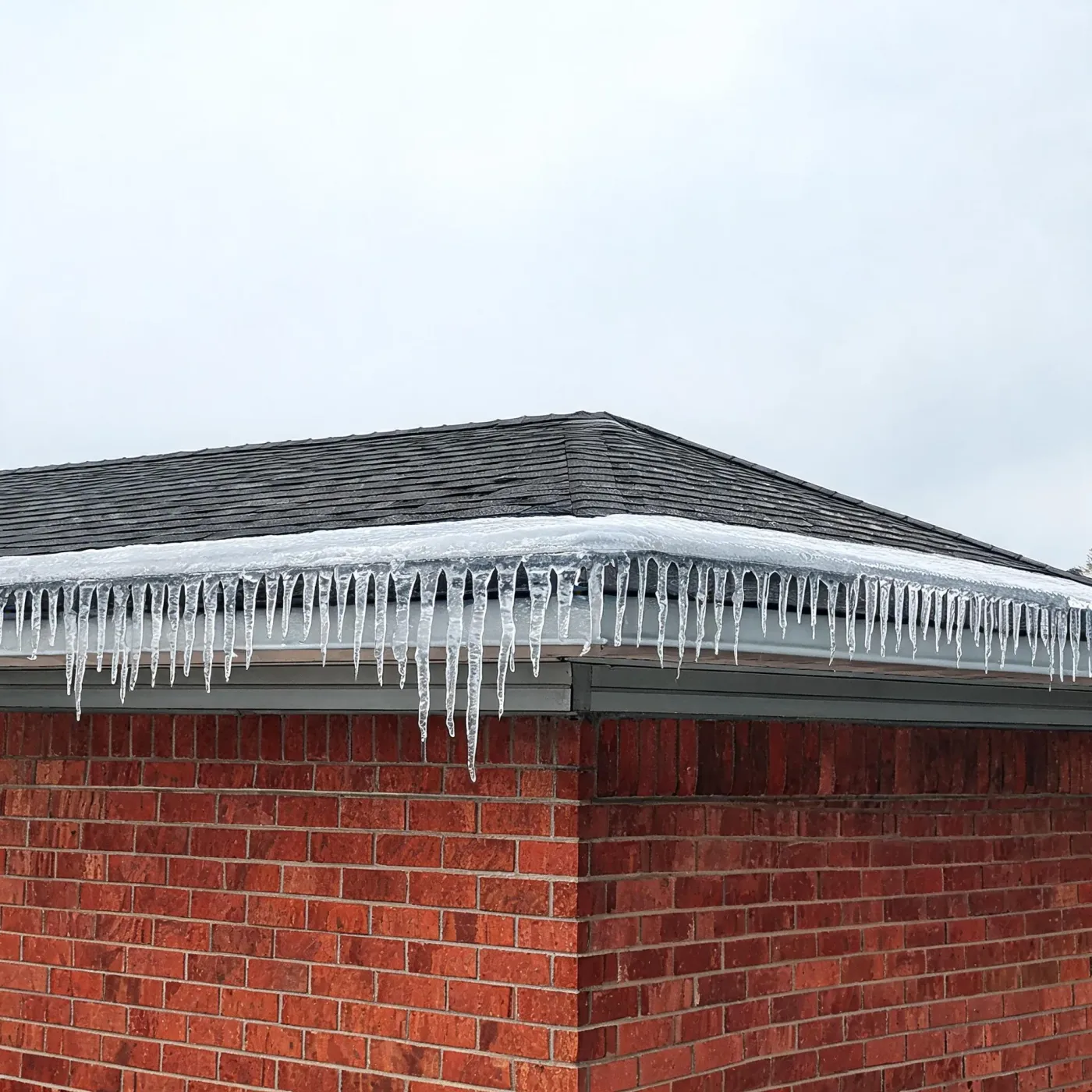
Corner of a red brick building with a dark shingled hip roof, a row of icicles hanging from the ice-covered gutter, under an overcast white sky.

Statewide, winter nights average 25°F, and that's the stretch when your boiler works hardest and has the least room for error. NOAA climate data. Colder water coming into the tank means the burner has to add more heat to reach the same temperature at the tap. A boiler that's already losing ground to sediment or a weak element has no cushion left on a night like that. You'll notice it as hot water that used to last through two showers now giving out after one, or the radiators taking longer to take the chill off the room. The cold snap doesn't cause the problem, but it's usually when you feel it first.

NOAA nClimDiv 1991-2020 county normals weighted by homes

Fix It Now or Risk a Bigger Repair

Fix it now

  • A tech can test the aquastat in minutes and tell you if it's holding the wrong setpoint.
  • Flushing sediment out of the heat exchanger restores the burner's reach, so it quits running long to make up for the buildup.
  • A failing circulator pump usually gives warning first, like short cycles or water that's warm but never hot, and catching it then is a smaller job.
  • Most boiler repairs touch one part, the aquastat, the pump, or the burner assembly, not the whole system.
  • Someone who services boilers all winter in Missouri knows which of these tends to go first on a hard-water system like yours.
  • Catching a worn burner before it loses more efficiency keeps your gas use from climbing while the hot water still falls short.

Let it ride

  • Sediment doesn't thin out on its own, so a tank running short now runs shorter as the layer thickens.
  • A circulator pump that's struggling will keep struggling until it stops moving water at all, usually without much notice first.
  • Skipping the small fix means the burner keeps overworking to push heat through a sediment layer that's only growing.
  • A bad aquastat left alone can mean the system either overheats trying to compensate or shuts off calling for heat too soon.
  • Waiting through a Missouri winter with a system already falling short raises the odds it fails on one of those 25°F nights.
  • What starts as a part replacement can turn into heat exchanger damage if the sediment or the overworked burner goes unaddressed.
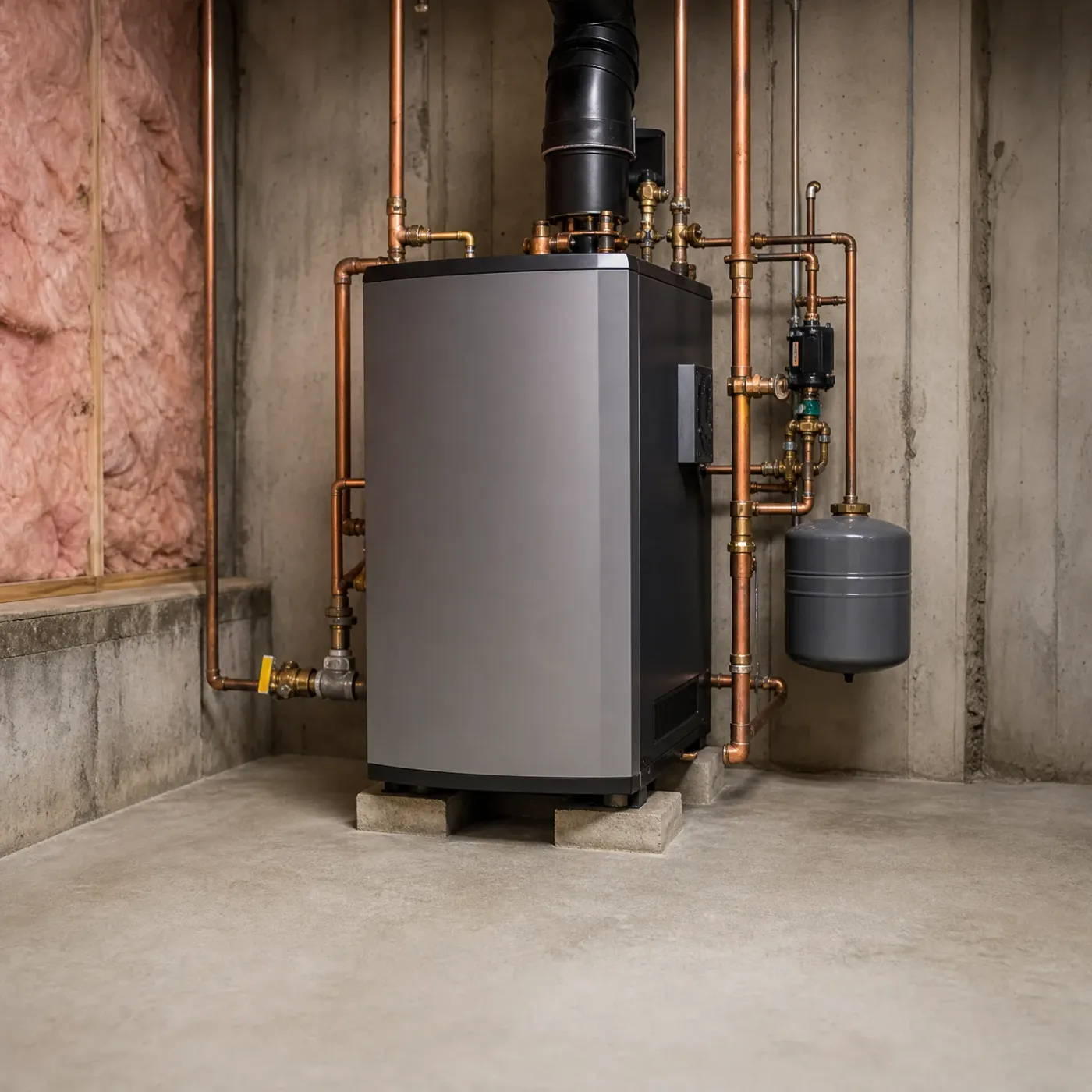
A gray and black boiler unit sits on concrete blocks in a basement corner, connected to copper piping, valves, a black flue duct, and a gray expansion tank, with bare concrete walls and exposed pink insulation at left.

Working the way it should

This is a boiler set up right. The copper lines run clean to the circulator pump, the expansion tank hangs where it should, and the flue draws straight up through the ceiling. A setup like this heats a full tank and holds the temperature from the first gallon to the last.

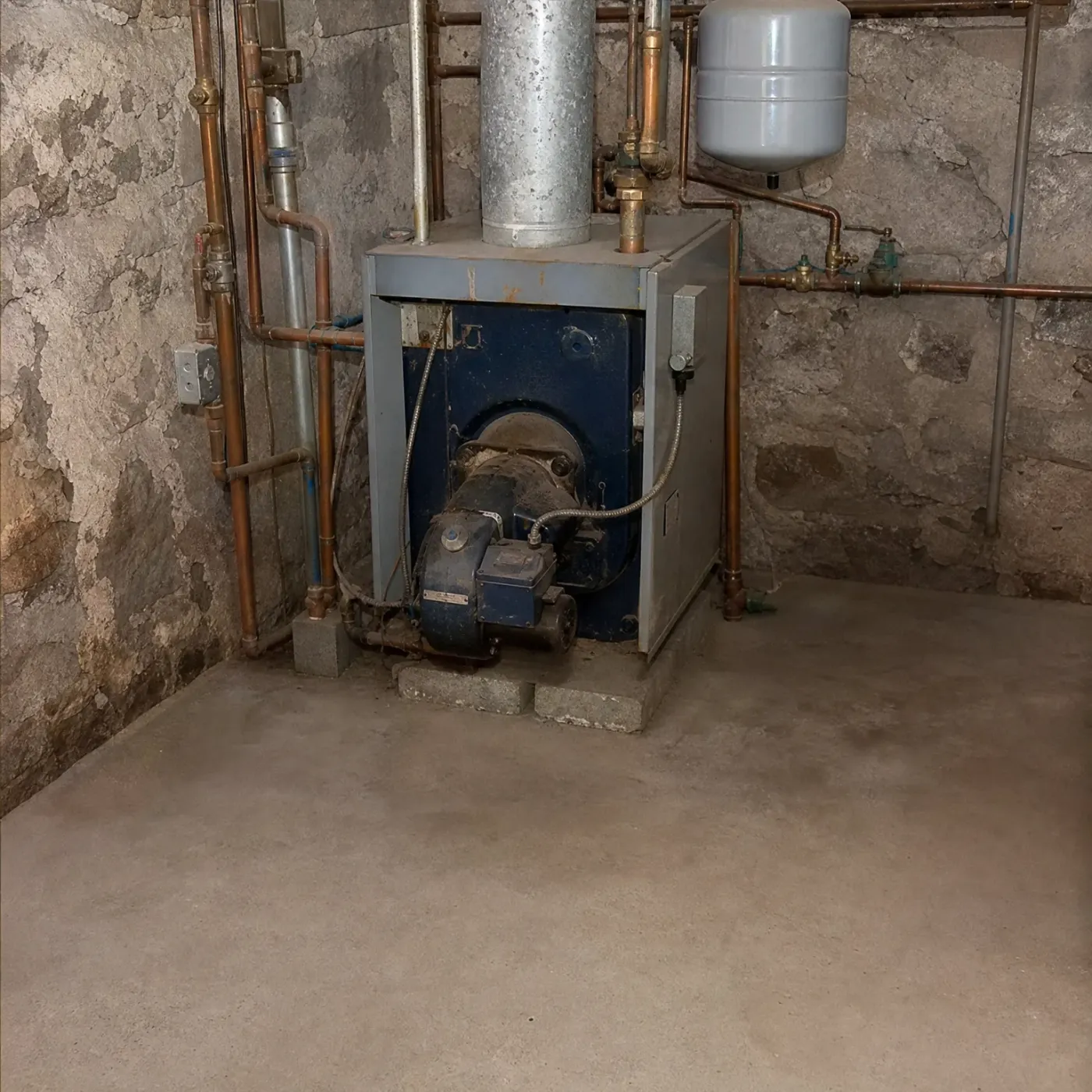
An oil-fired boiler with a blue and gray cabinet and burner sits on concrete blocks in a basement corner with stone walls, connected to copper pipes, a metal flue, and a wall-mounted expansion tank.

Running on borrowed time

Propped on concrete blocks in a stone-walled corner, this one shows its age. The galvanized flue and worn fittings mean the burner is working harder than it should to push heat through. A setup like this is the kind that runs short before the tank empties, and quits without much warning.

Winter nights average 25°F statewide

A 25°F night means the water coming into your tank is already cold before the burner touches it. Your boiler has to work that much longer to bring a full tank up to temperature, and a weak aquastat or a sediment layer gives it less room to do that on a night like this.

NOAA nClimDiv 1991-2020 county normals weighted by homes

  1. Cold water enters the tank and the aquastat calls for heat.

  2. The burner fires and heats water inside the heat exchanger.

  3. The circulator pump moves hot water out to the tank or radiators.

  4. Sediment or a weak burner slows that transfer, and heat runs short.

A woman in a long cream cardigan and jeans stands at an open wooden front door of a gray shingled house with stone-based porch columns, with a second person visible inside, and potted flowers and shrubs beside the entry.

Running out of hot water has a cause, and it's usually small

An aquastat holding the wrong setpoint, a layer of sediment sitting on the heat exchanger, a circulator pump losing strength: any one of these will cut your hot water short, and none of them fix themselves. Caught early, it's a quick fix. Left alone through a Missouri winter, the burner just keeps working harder for less water, and the part that's failing keeps failing.

You already keep an eye on small problems before they turn into bigger ones, which is why you're reading this instead of waiting for the tank to quit on you outright. The next step is getting a local contractor who works on boilers like yours all season, someone who's flushed this sediment and tested this aquastat more times than they can count, to take a look at yours specifically. You'll hear from one contractor, not a handful, and they'll know Missouri winters mean this isn't something to let ride.

A speckled beige ceramic vase holding thin dried branches sits on a round wooden table near a window with sheer curtains, with a dark upholstered chair and draped blanket blurred in the background.
A bearded man in a plaid flannel shirt sits indoors looking out a window at snow-covered trees, with a steaming mug on the sill and wooden kitchen shelves behind him.
A bearded man in a navy T-shirt sits on a light-colored couch indoors, smiling while looking down at a laptop screen in the foreground, with a framed picture and a potted plant blurred behind him.

The right pro for this job

A boiler that quits on hot water usually has one specific cause, not a worn-out system. An aquastat holding the wrong setpoint, sediment sitting on the heat exchanger, a circulator pump losing strength, any of these can be found and fixed. A local contractor who works on boilers all winter knows which of these to check first and what tends to fail in tanks like yours. Getting matched with one contractor means one person looking at your system, not a string of calls to sort through.

Match me with a pro

Your request goes to one pro, not a list of companies.

Sending the form costs nothing.