When the system is running right
Water moves through the loop, every radiator gets hot, and the boiler cycles on and off without you noticing. The pump runs quiet. Pressure holds steady on the gauge. No valve is stuck shut somewhere in the house.

Cold radiators in a Missouri winter aren't something to wait out. If one or two aren't heating up while the rest of the house is fine, or the whole system is lukewarm, it usually comes down to air in the lines, a stuck valve, or water that isn't circulating the way it should. Which one it is changes what happens next.
A radiator that stays cold while others warm up usually has air trapped inside it, blocking the hot water from filling the whole unit. That's why bleeding a radiator fixes it half the time. If every radiator in the house is cold, the problem is further back, at the boiler itself or the circulator pump that moves water through the system. A valve that's stuck shut will also leave a single radiator cold no matter what's happening elsewhere. With gas boilers common in Missouri homes and a long heating season to rely on them, a cold radiator in January or February isn't something to leave alone until it gets worse or the rest of the system starts struggling to keep up.
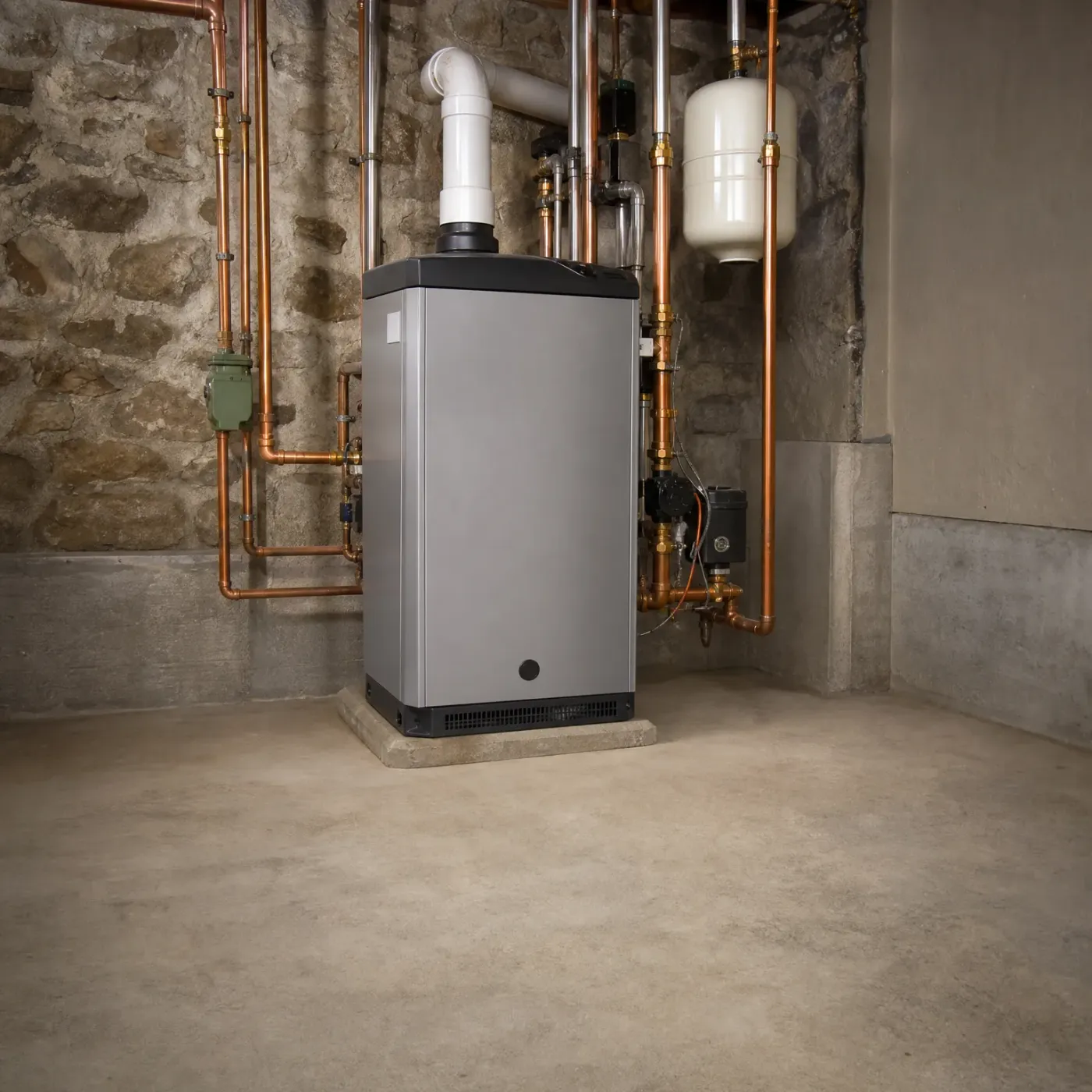
Water moves through the loop, every radiator gets hot, and the boiler cycles on and off without you noticing. The pump runs quiet. Pressure holds steady on the gauge. No valve is stuck shut somewhere in the house.
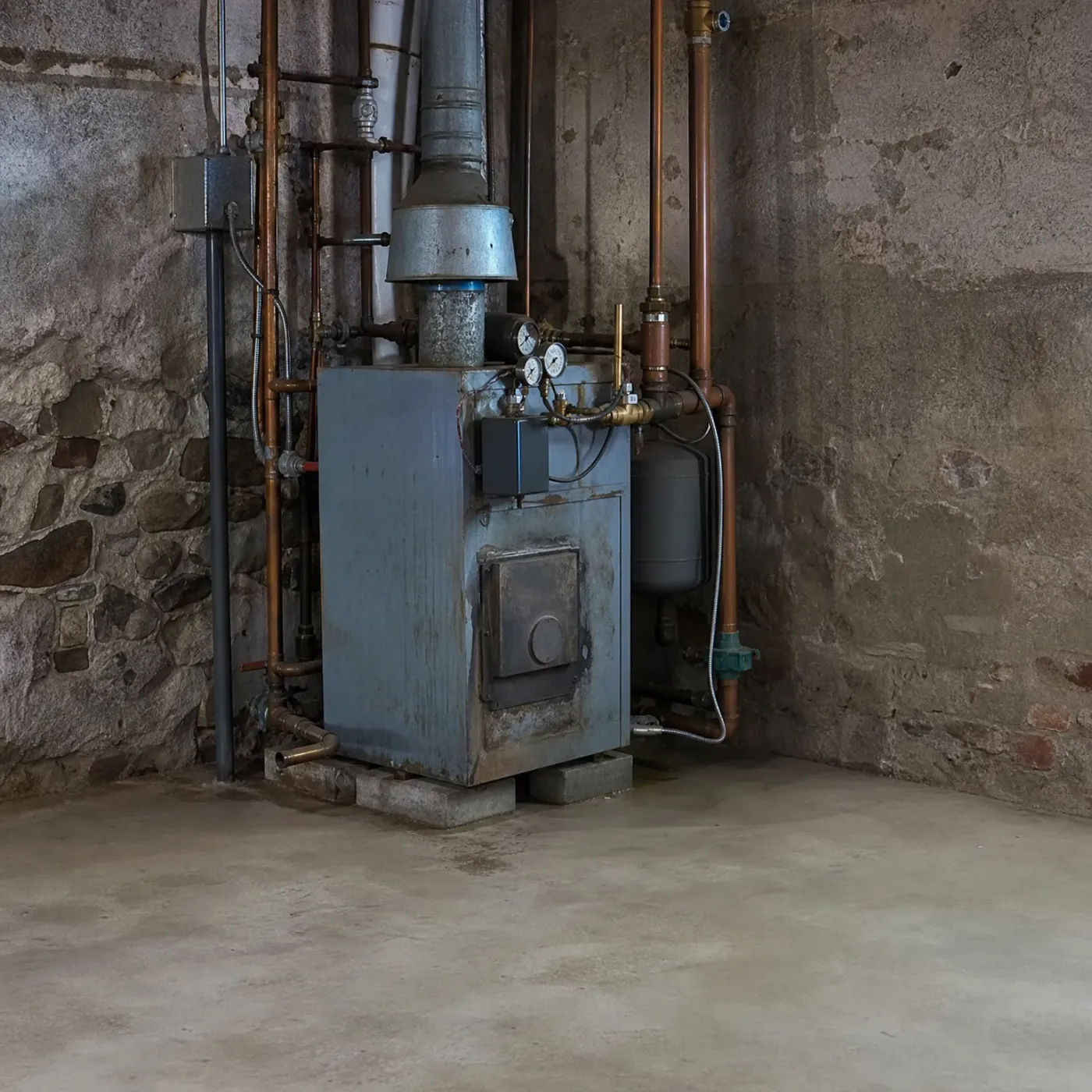
One radiator stays cold while the rest warm up, or the whole house runs lukewarm no matter how high you set the thermostat. Trapped air, a closed valve, or a pump that's quit moving water will do this. Left alone through a Missouri winter, it only gets harder to live with.




A radiator that's cold at the top but warm at the bottom usually has air trapped inside it. That air sits above the water and keeps it from filling the whole radiator. Most radiators have a bleed valve for this, a small fitting you open with a key or screwdriver until water starts to come out instead of air. It's a common fix precisely because boiler systems lose a little air over time as water heats and cools. One radiator doing this isn't a sign the boiler itself is failing.
Every radiator has a valve that controls how much hot water gets into it, and valves that sit untouched for months can seize up. If a radiator stayed cold even after you bled it, the valve itself may not be opening. Sometimes it's visibly stuck in one position. Sometimes the stem turns but nothing inside is actually moving water through. A valve like this needs to come apart or get replaced, since forcing it can snap the stem and leave you with a bigger repair than you started with.


Fill out one short form instead of calling around.
After you send the request, you're done searching.
You're not committing to anything by asking.

If the radiator in one room stays cold, that room stays cold. You close the door, run a space heater, tell the kids to wear a sweater. Weeks go by like that. Meanwhile the boiler is still firing, still burning gas, trying to heat a loop that isn't moving the way it should. A stuck valve or trapped air doesn't fix itself with time. It sits there through the rest of winter unless someone bleeds the radiator, frees the valve, or checks the pressure.
Finding a plumber who works on hot water heat isn't the same as finding one for a leaky faucet. Not every plumber touches boilers, and calling around to ask who does, explaining the same cold-radiator problem to each one, waiting to hear back, then weighing quotes against each other takes real time you'd rather spend with the heat actually working. Send this form once and that search is off your plate.

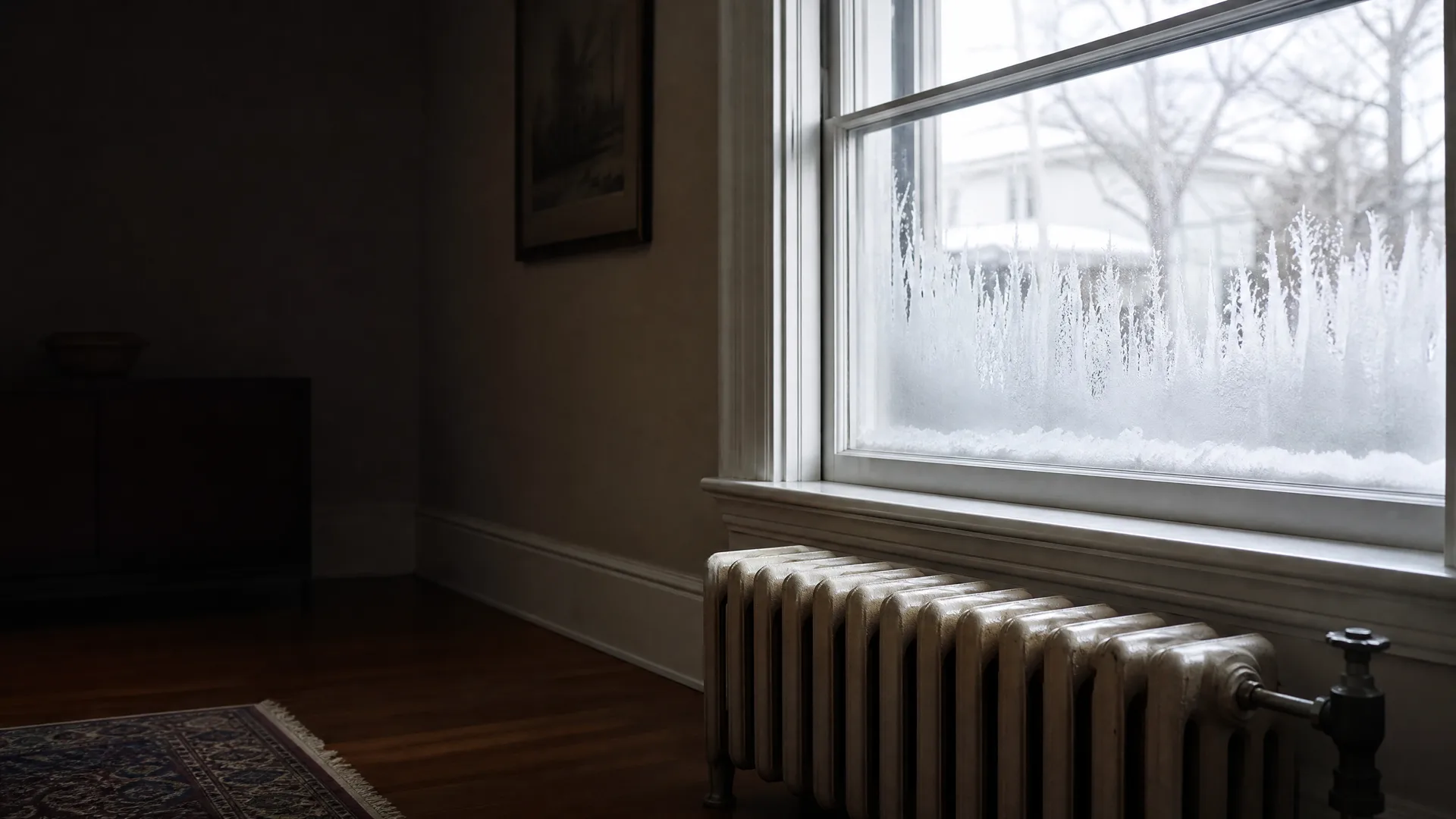
You're up before the rest of the house, coffee in hand, and the living room is cold in a way that has nothing to do with the thermostat. Ice has formed on the inside of the window glass, a thin frost feathering across the pane. The cast-iron radiator sits right below it, the one that used to throw enough heat to fog that same glass by seven. You touch it and it's cold at the top, barely warm low down. Outside it's the kind of January morning Missouri does well, single digits, the kind of cold that finds every gap in a house. The boiler is running somewhere below you. You can hear it. This radiator just isn't getting what it's sending.
Overnight lows average 25°F across Missouri in December, January and February. A boiler working against that isn't idling, it's holding the line most of the night. A radiator that won't heat up on top of that cold doesn't just mean a chilly room, it means the boiler is working harder to cover for the ones that aren't pulling their weight.
NOAA nClimDiv 1991-2020 county normals weighted by homes
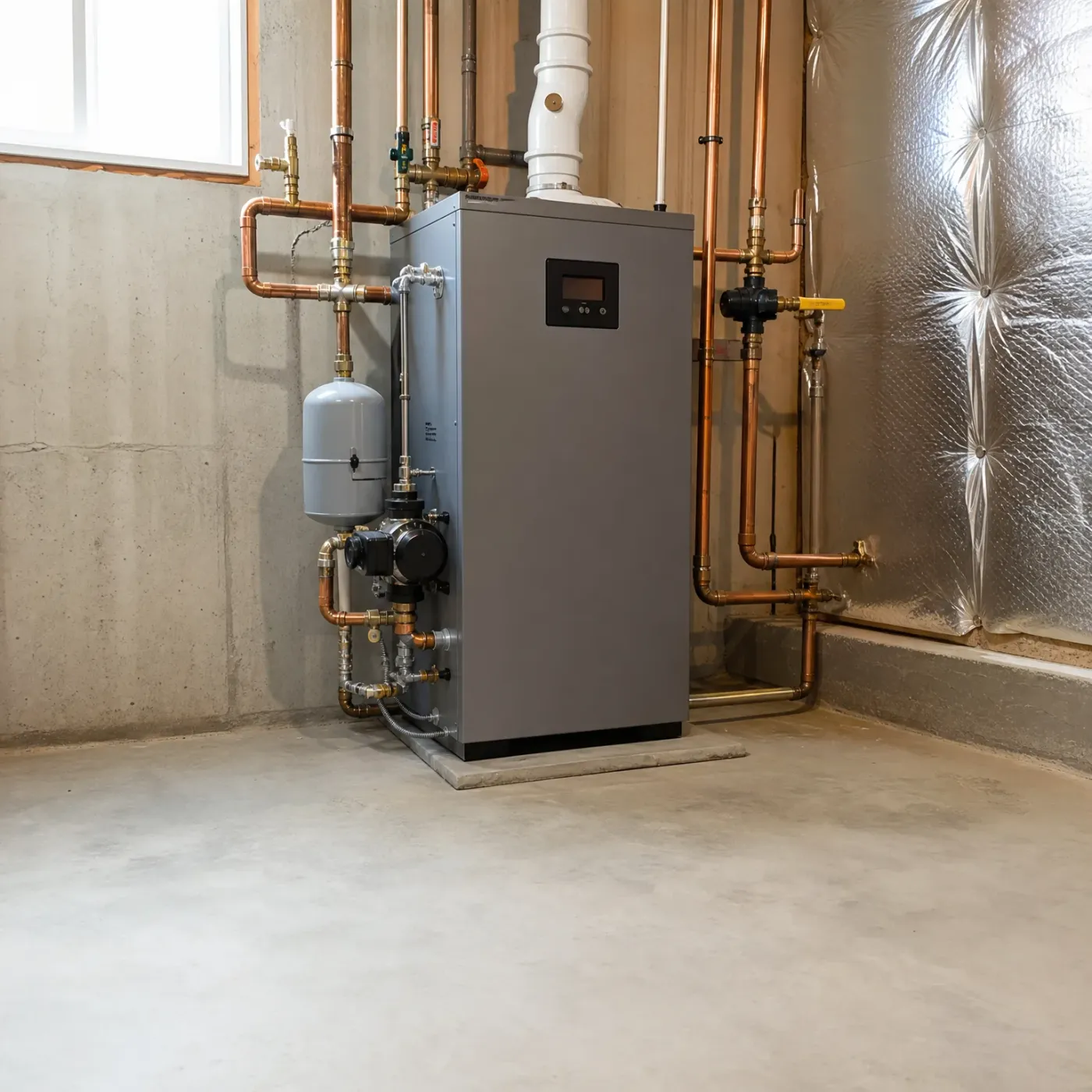
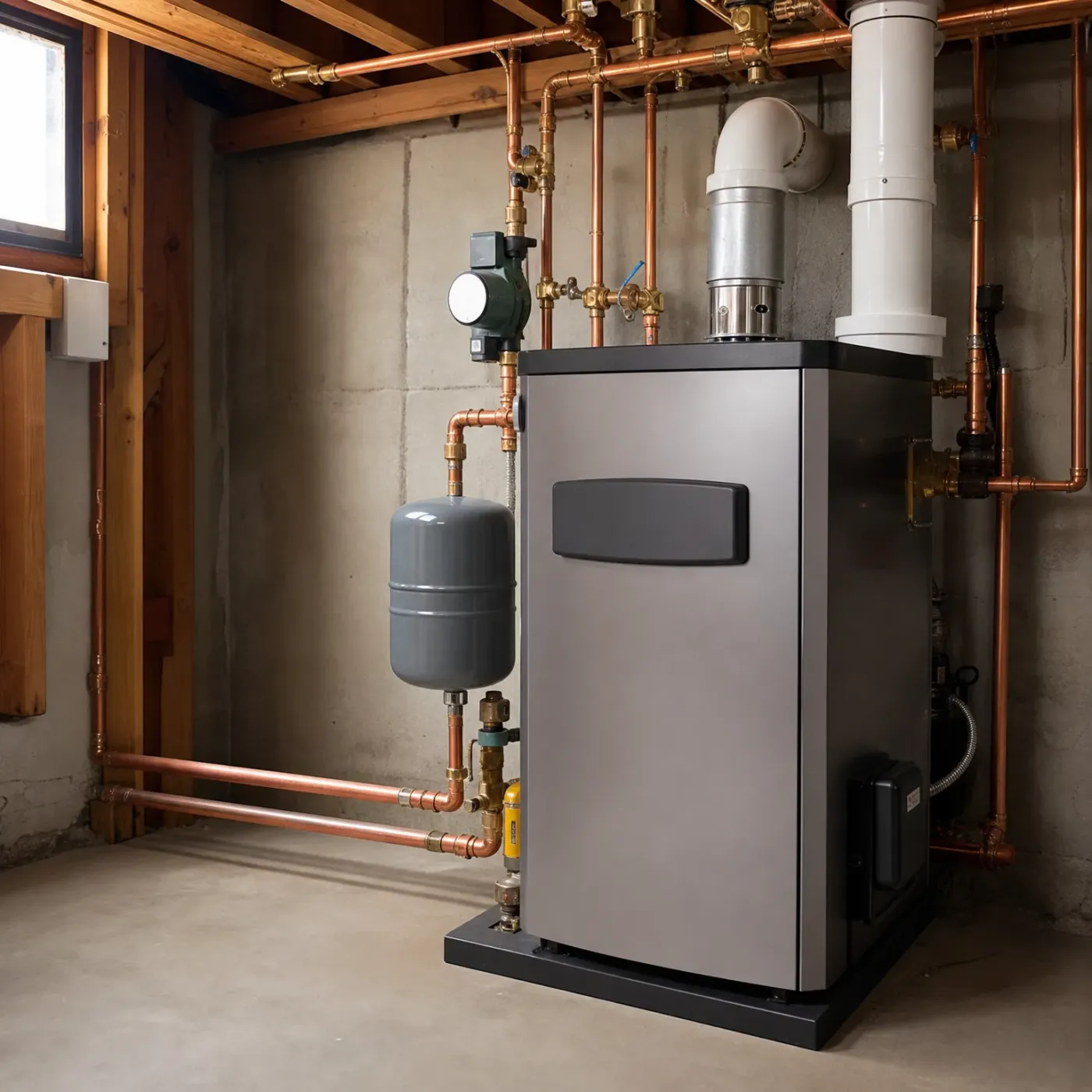
This is what a boiler looks like when nothing's wrong. The pipes, the expansion tank, the pump, all of it sitting there doing its job without drama. Water moves through, comes back, gets reheated, goes out again. No corrosion on the front, no mess of old fittings fighting each other.
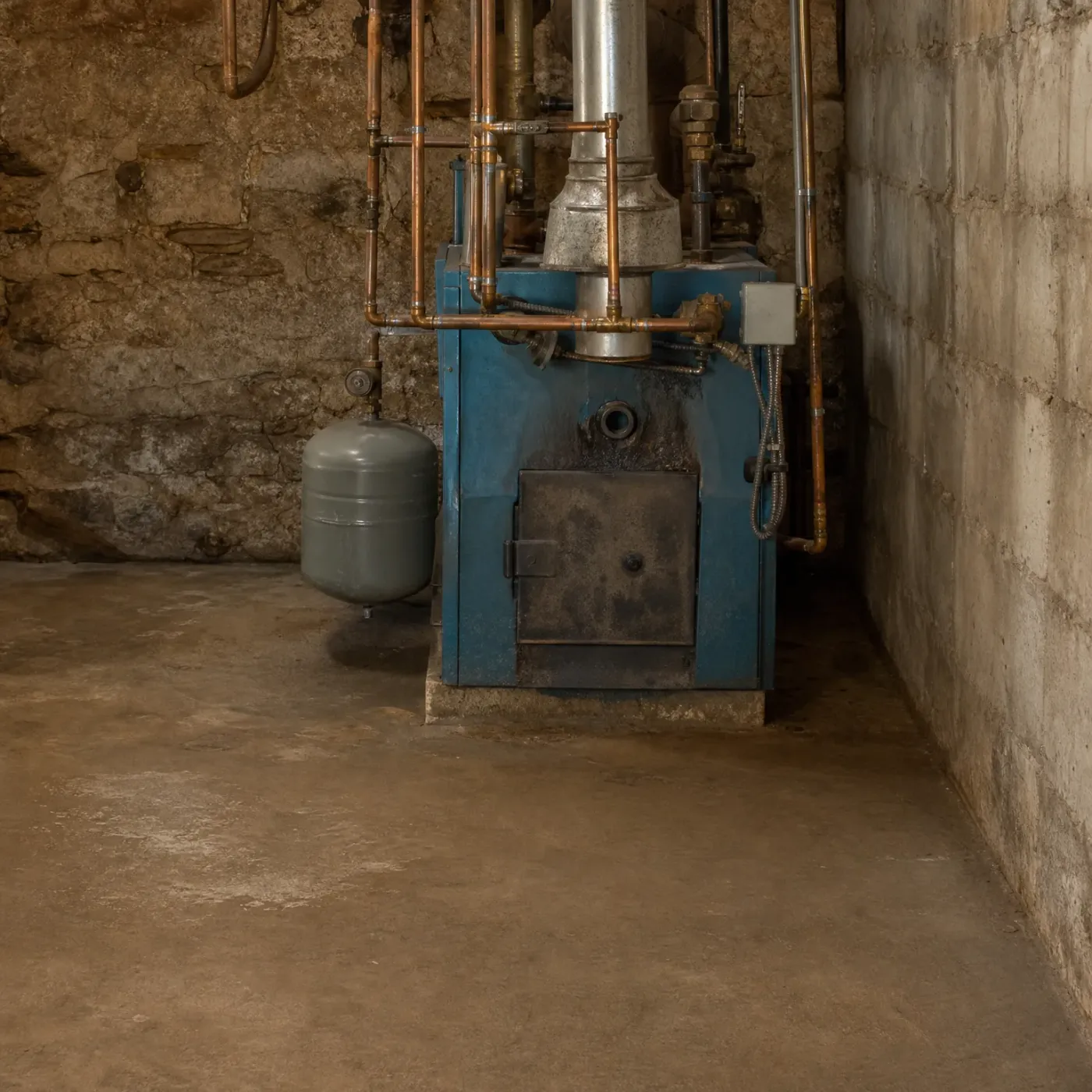
Years of hard water and heat leave marks like this. The access door shows rust and buildup around the edges. A unit this old is more likely to throw a stuck valve, a failed circulator, or sediment clogging a line, any of which can leave a radiator cold while the rest of the house heats fine.
A cold radiator usually comes down to one of a handful of things: air trapped inside, a valve that's stuck, sediment sitting in the bottom, or the pump not moving water the way it should. None of these fix themselves, and a Missouri winter doesn't give a radiator much time to sit half working before the room it heats goes cold for good. Finding out which one it is means someone has to look at the valve, check the pressure, see what the pump is doing. That's the part you don't have to take on. Instead of calling around to find a boiler contractor, explaining the cold room and the lukewarm radiator over and over, then sitting with a stack of quotes trying to work out who actually knows boilers, you send one form and that search is done. The radiator still needs the same work either way. What changes is whether you're the one spending your evening tracking down who can do it.
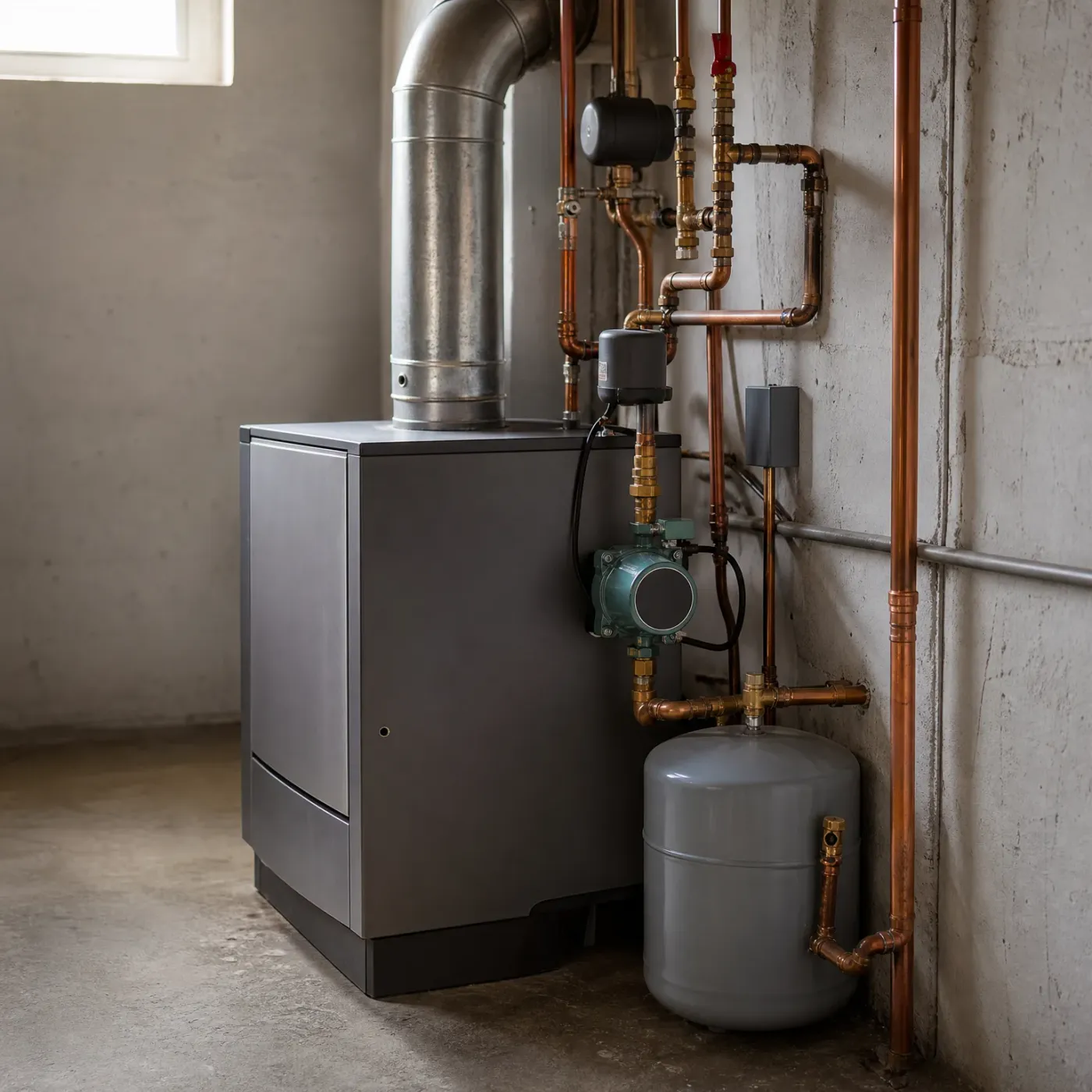
Explain the job once and skip repeating it on every call.
It costs nothing to send, and you don't have to hire anyone.