Tell us about the job
Takes about a minute. No obligation.
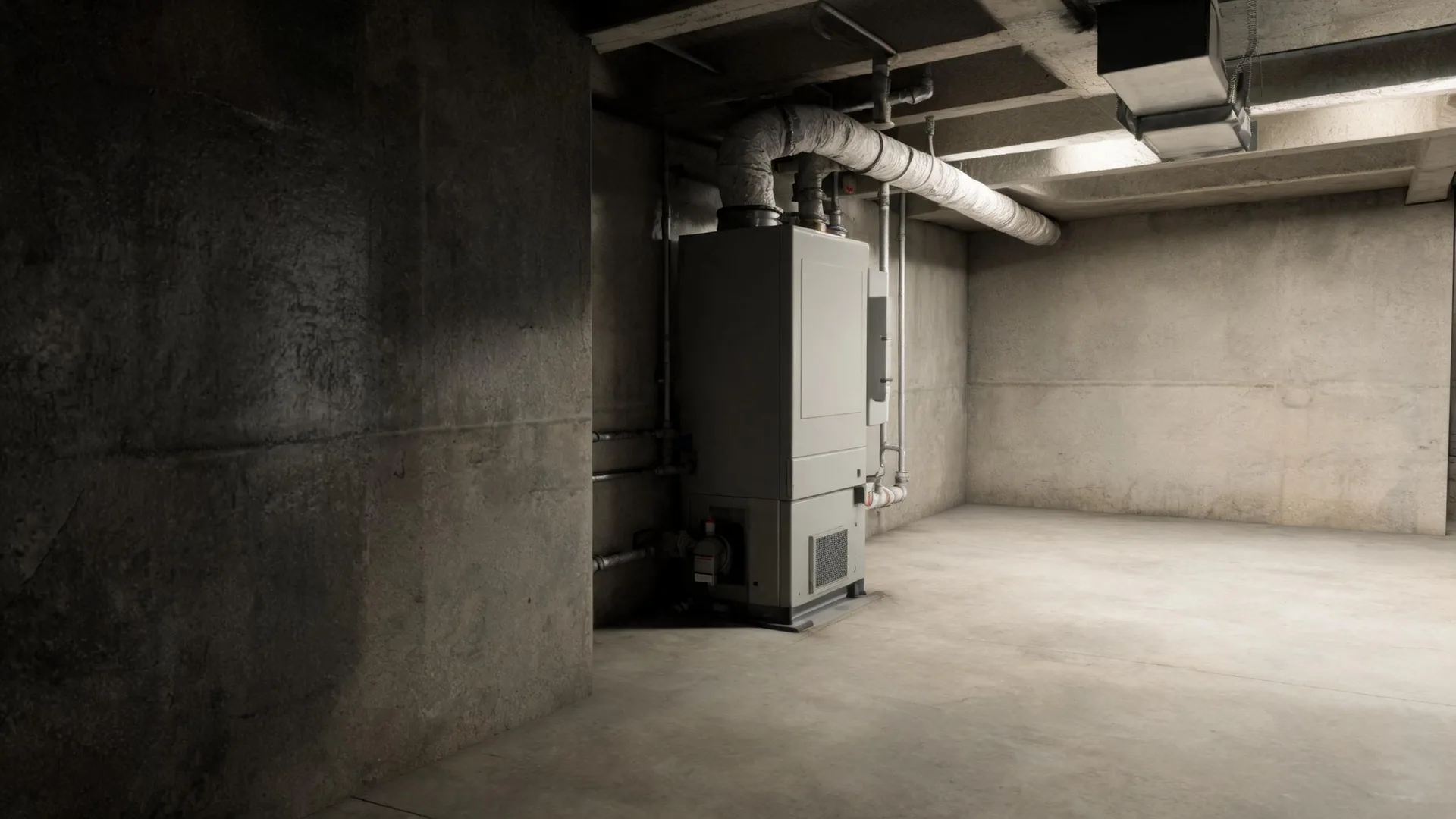
A contractor quoting boiler repair in Pulaski County starts at the burner assembly and the ignition system, because those parts cycle every time the boiler fires and they carry the wear the heating season produces. Homes in Pulaski County, MO run heat about seven months a year, from October through April. Across that run, the heat exchanger flexes with every firing, the igniter trips hundreds of times, and the burner orifices coke slowly with each combustion cycle. When a boiler comes in for repair, the condition of those parts tells the contractor more about the unit's remaining life than the cabinet or the controls do.
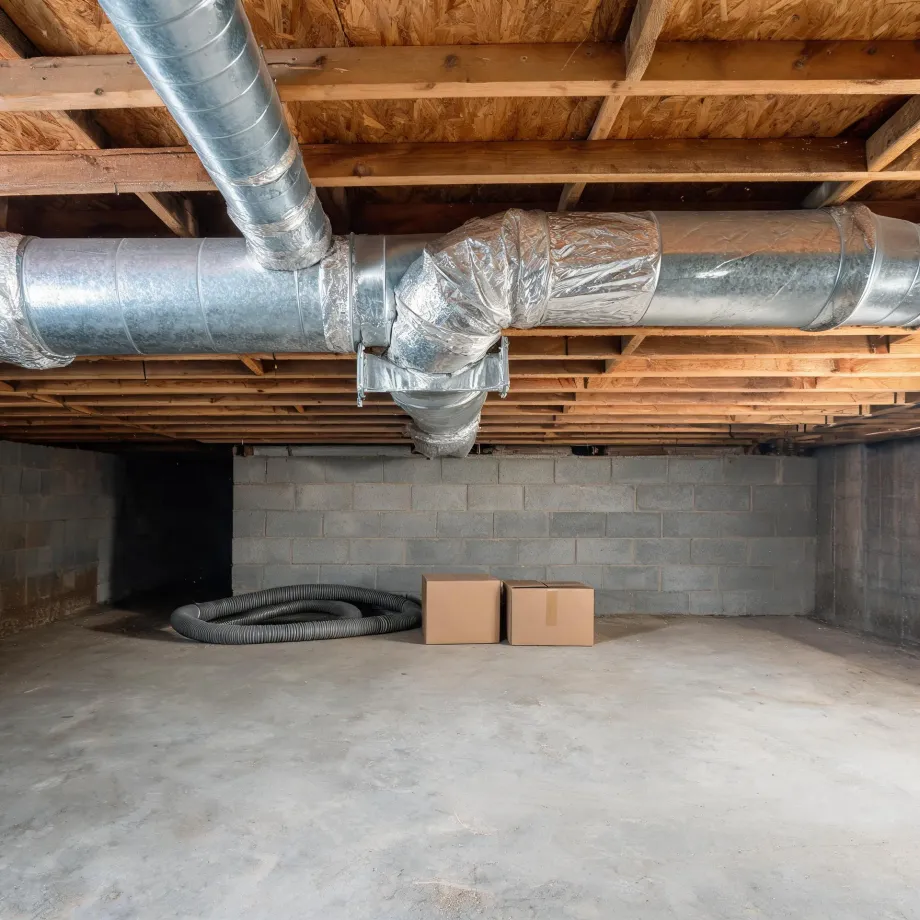
Boilers in aging housing stock accumulate a specific kind of repair history: failed zone valves, cracked heat exchangers, and pressure relief components that have been through more heating seasons than their rated cycles. Half the homes in Pulaski County, Missouri were built in 1994 or earlier (2020-2024 ACS 5-year). A contractor opening a boiler in a house from that part of the county's distribution finds that the unit's internals often reflect the original installation, which means the parts it needs are not always stocked locally and have to be sourced. That sourcing step is what separates a same-day fix from a multi-day repair, and it is decided by what the opened system actually contains.
The Parts of a Boiler a Contractor Checks First
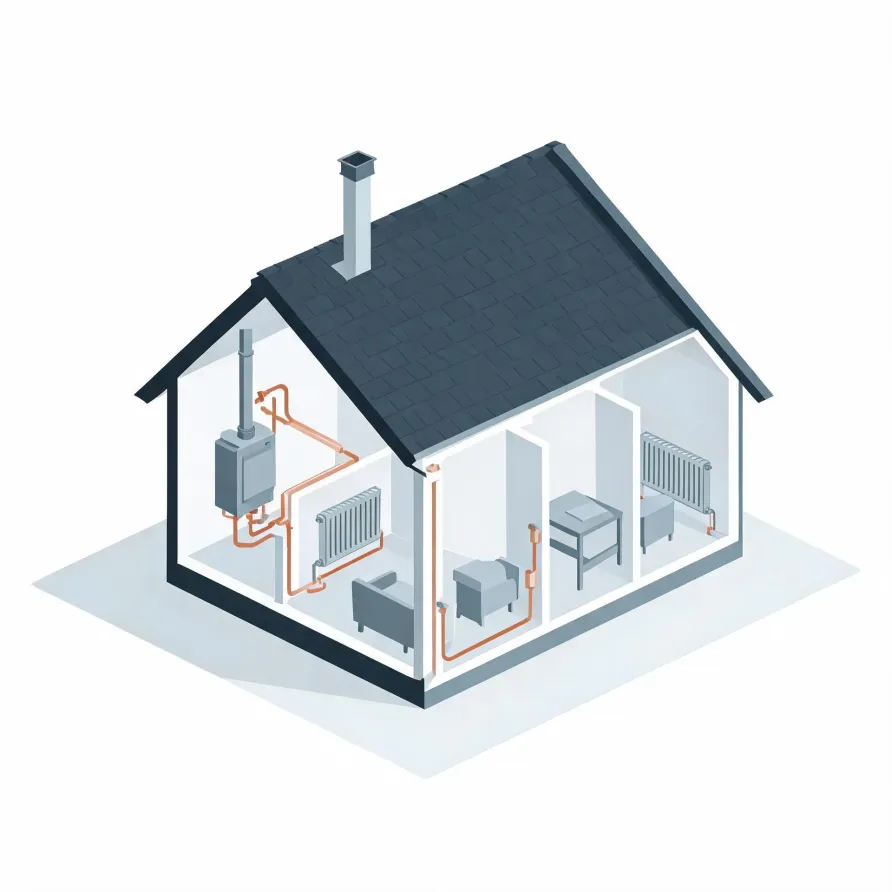
The boiler itself sits in the basement or a utility room and is the heart of the system. It heats water and sends it out under pressure. When heat stops reaching the rooms, a contractor starts here, checking the heat exchanger, the burner, and the pressure vessel for the failure that broke the cycle.
Radiators or baseboard units around the house are where that heated water gives up its heat, and each one has a valve that controls flow. The circulator pump, which sits close to the boiler, moves water through the loop. A failed pump or a stuck valve can cut off an entire zone without touching the boiler itself.
The drawing shows a typical layout, and a licensed contractor determines which components apply to your specific system and where the fault actually lies.
Find a contractor in Pulaski CountyPulaski County, by the numbers
115 severe weather events were recorded in Pulaski County, Missouri between 2015 and 2024.
NOAA National Centers for Environmental Information, Storm Events Database, bulk CSV export, events 2015-01-01 through 2024-12-31.Half the homes in Pulaski County, Missouri were built in 1994 or earlier (2020-2024 ACS 5-year).
U.S. Census Bureau, 2020-2024 American Community Survey 5-Year EstimatesPulaski County, Missouri holds 19,431 housing units (2020-2024 ACS 5-year).
U.S. Census Bureau, 2020-2024 American Community Survey 5-Year EstimatesOwners occupy 61.2% of the occupied homes in Pulaski County, Missouri (2020-2024 ACS 5-year).
U.S. Census Bureau, 2020-2024 American Community Survey 5-Year EstimatesSevere Weather Events in Pulaski County
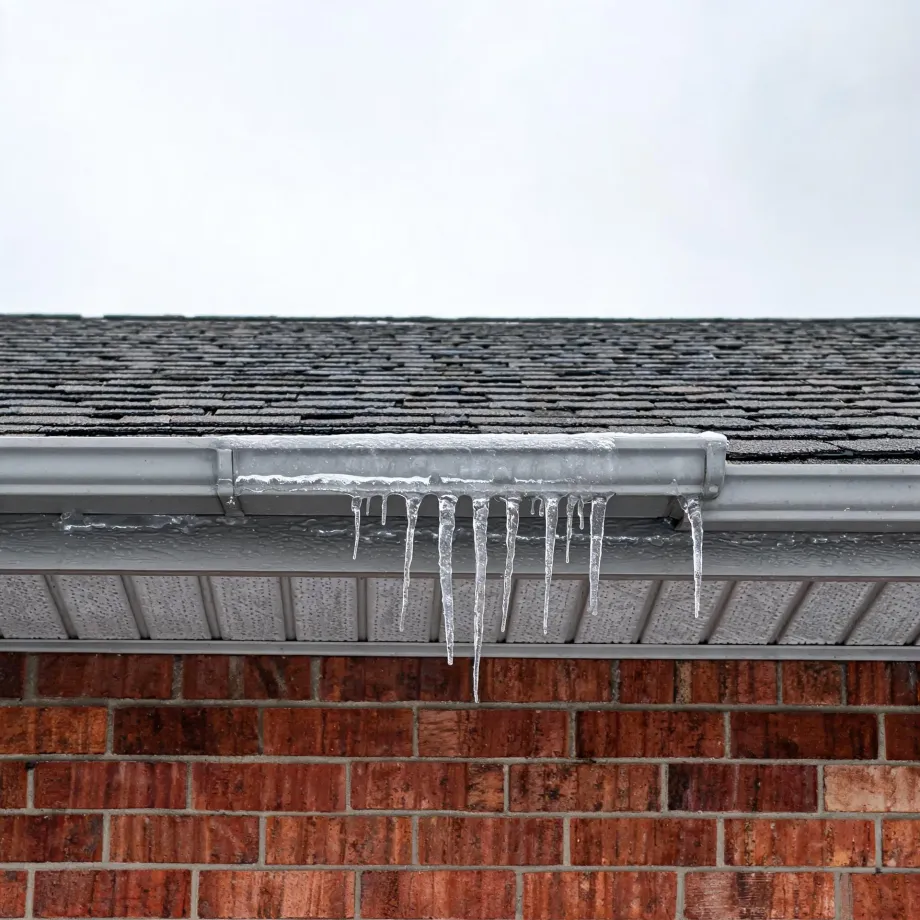
Hard weather puts heat systems under pressure: cold snaps push boilers to run longer, storm damage can knock out power or compromise venting, and the recovery load after a weather event is where problems surface. In Pulaski County, what the sky does here shapes how hard the equipment works.
115 severe weather events, 2015–2024. Source: NOAA National Centers for Environmental Information, Storm Events Database.